

Why Your Fishing Reel Feels Rough When Reeling and How We Fix It Without Guesswork
Why does your fishing reel feel rough when reeling? Learn common causes like dirt, old grease, and worn gears. Get step-by-step cleaning and lubrication tips, plus advice on when to replace parts or upgrade to low-maintenance reels.
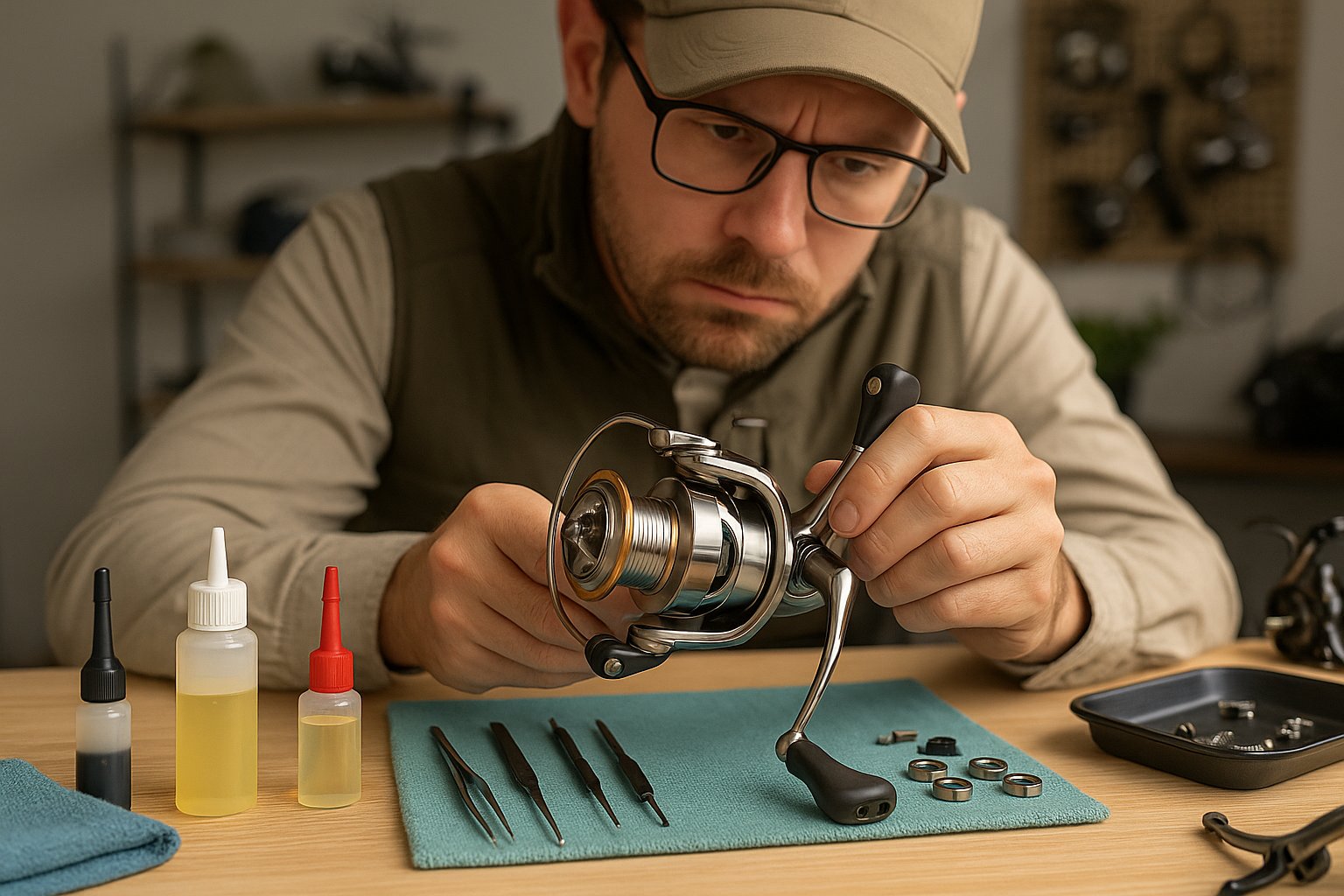
A fishing reel should feel controlled, smooth, and almost effortless. So when it starts grinding, catching, vibrating, or sounding "off," it's usually a sign that something inside needs attention. And no, it's not always a major failure. In a lot of cases, a reel feels rough when reeling because of old grease, dirt intrusion, bad bearings, worn gears, or a simple lubrication problem.
The trick is figuring out which issue we're actually dealing with before we start taking parts apart or buying replacements we may not need. That matters whether we're working on a spinning reel, baitcaster, or conventional reel. In this guide, we'll break down why a fishing reel feels rough, the warning signs that point to maintenance, how to clean and lubricate it the right way, when replacement parts make sense, and which low-maintenance reels tend to hold up best. If your reel is not smooth, we can usually narrow the cause pretty quickly with a methodical approach.
What Causes a Fishing Reel to Feel Rough?
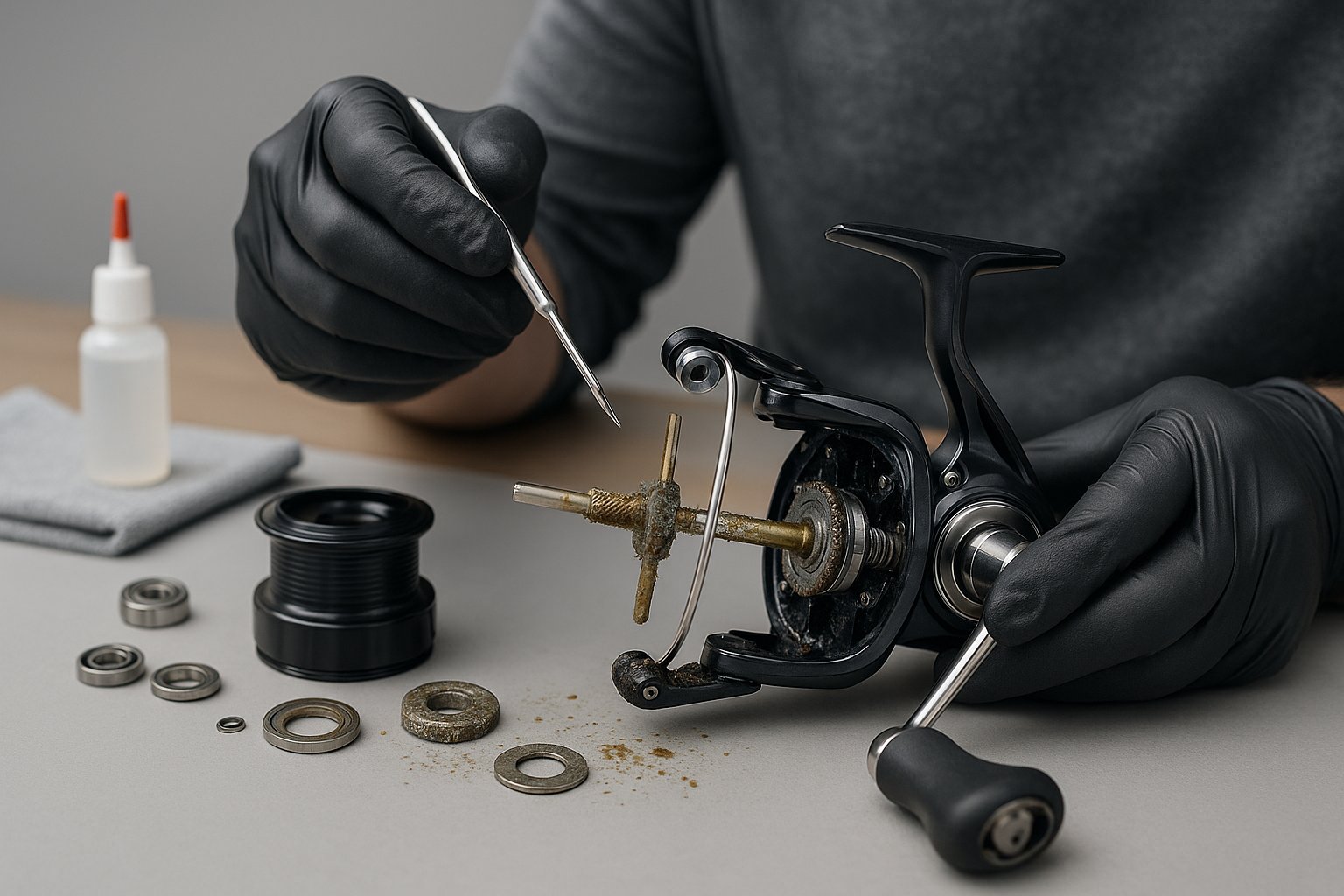
A rough-feeling reel is usually telling us one of five things: it's dirty, it's dry, a part is worn, something is slightly out of alignment, or the drag/line system is creating resistance that feels like internal roughness.
The most common cause is contamination. Sand, dried salt, lake grit, old grease, and even fine dust can work their way into the body, rotor, line roller, handle knobs, and bearings. Once that debris mixes with old lubricant, it turns into a paste that makes reeling feel heavy or uneven. This is especially common after surf fishing, kayak fishing, bank fishing in muddy areas, or simply storing gear wet.
A close second is bad lubrication. Too little oil and bearings start feeling geary or dry. Too much grease and the reel can feel sluggish instead of rough, but anglers often describe both as "not smooth." Wrong lubricant is another issue. Thick automotive grease in a light freshwater reel? That'll do it. So will over-oiling components that were meant to run almost dry.
Then there are worn or damaged internals. Main gears and pinion gears wear over time, especially if we've reeled under heavy load constantly, cranked against a tight drag, or used the reel hard for years. Bearings can pit, corrode, or seize. A bent spool shaft or slightly warped rotor can create a repeating rough spot every turn of the handle.
We also can't ignore problems outside the gearbox. A sticky line roller, a misaligned bail, a drag stack that's dirty, or line twisted badly on the spool can all make us think the internal mechanism is failing. Sometimes the answer to "why fishing reel feels rough" is surprisingly simple: the reel itself is fine, but one external point of contact is fighting the retrieve.
A useful test is to reel the handle with no line tension. If it feels smooth unloaded but rough under pressure, we may be dealing with line roller friction, drag issues, gear wear under load, or spool oscillation problems. If it feels rough all the time, contamination, bearings, or gear damage move to the top of the list.
Signs Your Reel Needs Maintenance
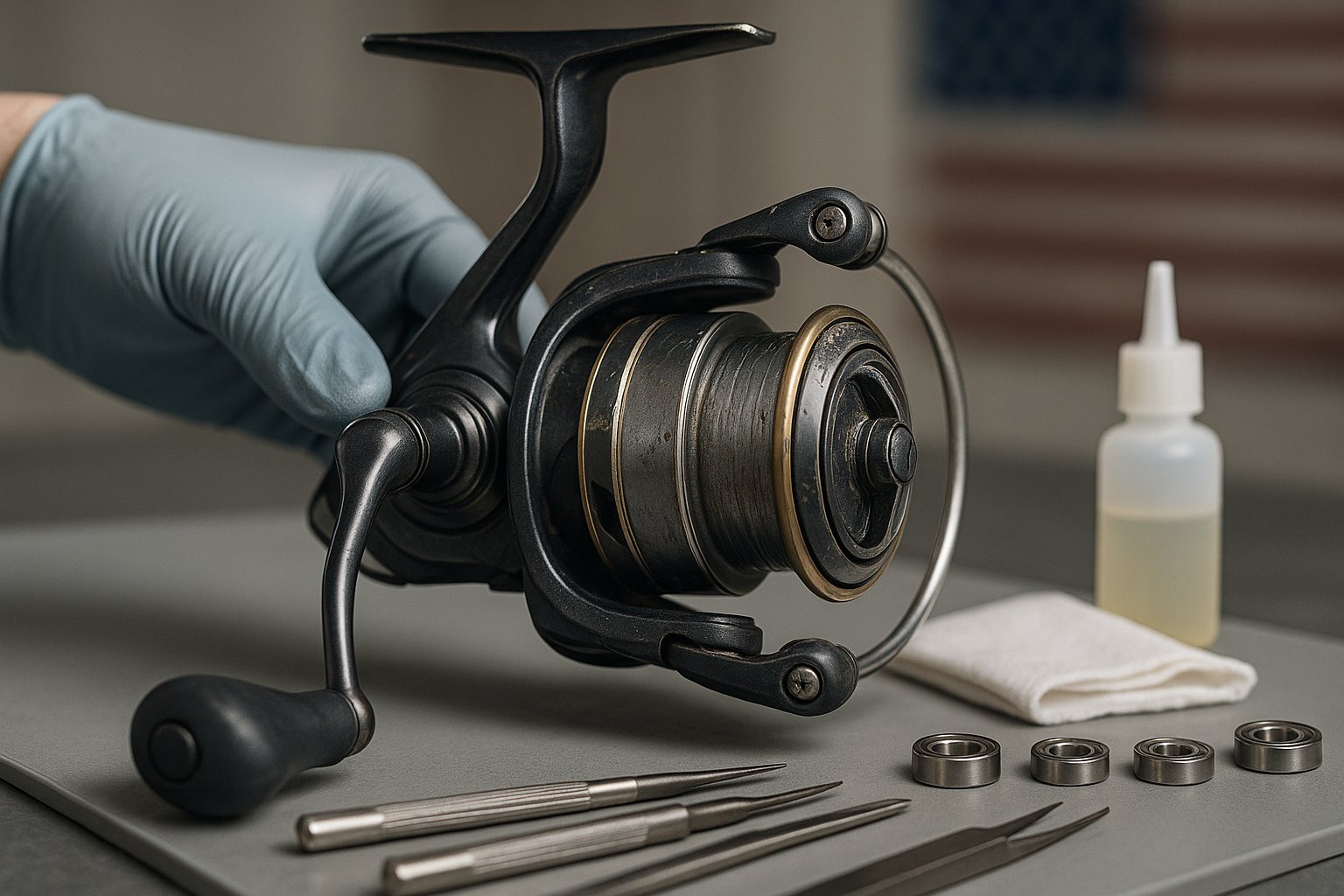
Not every reel problem shows up as an obvious grinding noise. Often the signs start subtle, and if we catch them early, fishing reel maintenance is much easier and cheaper.
One classic warning sign is a rough spot that appears at the same point during every turn of the handle. That usually points to gear wear, a damaged bearing, or a bent shaft creating a repeating mechanical resistance. If the roughness is random instead of rhythmic, dirt or inconsistent lubrication is more likely.
Noise matters too. A healthy reel has a normal mechanical hum, but it shouldn't click, grind, rasp, or squeal. Grinding often suggests contamination or gear wear. A higher-pitched whine may indicate dry bearings. Clicking can come from anti-reverse components, bail mechanisms, or a loose internal fastener.
We should also pay attention to handle play and rotor wobble. A little movement can be normal, depending on reel design, but excessive side-to-side play often means something is loose or worn. If the rotor feels like it's tracking unevenly, or the spool rises and falls with a hitch, maintenance is overdue.
Here are the signs we take seriously:
-
The reel feels rough even with no load
-
It becomes harder to crank than usual
-
The retrieve feels uneven or "geary"
-
We hear grinding, ticking, or squeaking
-
The line roller stops spinning freely
-
The bail closes sluggishly or sticks
-
The drag feels jerky instead of smooth
-
The reel was submerged, splashed heavily with saltwater, or stored wet
Salt exposure deserves special mention. Even "saltwater-rated" reels are not maintenance-free. Corrosion can begin in places we can't see, especially around bearings, screws, and the line roller assembly. If a reel got dunked in the surf or dropped in brackish water, we should treat that as immediate-service territory.
Another sign is performance drift over time. The reel still works, but something feels off, less fluid, more resistant, just not right. That's often when anglers wait too long. And that's how a simple clean-and-lube job turns into replacing gears and bearings later. If the reel is not smooth now, it's almost always cheaper to inspect it sooner rather than after a full season of ignoring it.
How to Clean and Lubricate Your Reel
If we want to know how to fix rough fishing reel problems, cleaning and lubrication are the logical first steps. We don't need to do a full teardown every time, but we do need to be organized. Taking photos during disassembly helps more than most of us want to admit.
Start with a basic inspection
Before opening the body, we should check the easy stuff first. Remove the spool. Inspect the line roller, bail hinges, handle knobs, spool shaft, and visible screws. Turn the handle slowly and feel where the resistance shows up. If the roughness seems isolated to the line roller or handle knob, we may not need to open the gearbox yet.
Wipe down the outside with a soft cloth. If there's salt residue or grime, a lightly damp cloth with mild soap works well. We don't want to blast water into the body. That's a common mistake.
Clean the internal parts carefully
Once we open the reel, we should lay parts out in order. Old grease should be removed with cotton swabs, microfiber cloths, or a reel-safe degreaser. Gears, bearing seats, and oscillation tracks need to be clean, but we don't want to soak plastic or rubber parts in harsh solvents unless the manufacturer says it's safe.
Bearings are often the deciding factor. If a bearing feels gritty after cleaning, it may be too far gone. If it spins freely and quietly, it can usually go back in service. Corroded bearings, though, rarely improve enough to trust.
Apply the right lubricant in the right amount
This is where a lot of reels go wrong. Good reel lubrication tips are simple:
-
Use reel oil for bearings, handle knobs, and other high-speed moving points
-
Use reel grease for main gears, pinion contact surfaces, and sliding tracks where specified
-
Use only a small amount: excess lubricant attracts dirt and can make the reel feel sluggish
-
Don't oil drag washers unless the reel's drag system specifically calls for it
A thin, even coat of grease on the gear teeth is enough. Bearings usually need just a drop or two of oil. More is not better here.
Reassemble and test methodically
After reassembly, we should turn the handle slowly before fully tightening everything down. Listen. Feel. If the reel suddenly binds, a part may be seated incorrectly, a shim may be misplaced, or a screw may be overtightened.
For many anglers, routine fishing reel maintenance means a light clean after trips, a more detailed service every few months during heavy use, and a full inspection at least once per season. If we fish saltwater regularly, that schedule should be tighter. And if the reel still feels rough after a proper clean-and-lube job, that's our cue to look for worn components rather than adding more grease and hoping for a miracle.
When You Should Replace Reel Parts
Cleaning fixes a lot. It does not fix metal that's worn out.
The most commonly replaced parts are bearings, drag washers, line rollers, springs, handles, and gear sets. Bearings are often the first to go because they're small, exposed to moisture, and easy to feel when they degrade. If a bearing remains noisy, gritty, or sticky after cleaning and oiling, replacement usually makes more sense than trying to save it.
Gear replacement is a bigger decision. If the main gear and pinion show visible wear, pitting, chipped teeth, or a polished uneven contact pattern, smoothness won't come back through lubrication alone. Once gears wear together badly, the reel may always feel rough under load. That's especially true in reels that have been cranked hard on snagged lures or used beyond their intended drag range.
We also replace parts when corrosion has started eating into structural reliability. Surface discoloration is one thing: deep rust, seized screws, and flaking metal are another. At that point, the issue isn't only smoothness. It's long-term durability.
Here's a practical way to decide:
Replace individual parts when:
-
The reel is a good model with solid frame and gear support
-
Replacement bearings, rollers, or drag components are affordable
-
The damage is isolated to one or two components
-
We already like the reel and want to keep it in rotation
Consider replacing the whole reel when:
-
The main gear and pinion are both worn
-
Key parts are discontinued or hard to source
-
Corrosion is widespread
-
The repair cost approaches the price of a better reel
-
The reel was budget-built and not worth a full rebuild
That last point matters. Some reels are designed to be serviced for years. Others are fine for light use but become poor investments once major internals wear out. There's no shame in replacing a reel that no longer makes economic sense to repair.
One more thing: if we've opened the reel and find damaged shims, bent shafts, or anti-reverse problems we can't diagnose confidently, a professional service is often worth it. Guessing inside a complex reel can create a second problem on top of the first. Smart maintenance saves money: random tinkering sometimes does the opposite.
Best Low-Maintenance Fishing Reels
No reel is truly maintenance-free, but some are definitely easier to live with than others. If we want fewer rough retrieves, easier upkeep, and better durability, we should look for a few specific design traits rather than chasing marketing slogans.
First, sealed or shielded bearings help reduce contamination. They're not invincible, but they do a better job of keeping out grit and moisture than completely exposed bearings. Second, rigid frames matter. Aluminum, magnesium, and quality carbon-composite bodies hold gear alignment better than flimsy frames that flex under load. Better alignment usually means smoother performance over time.
Third, simpler can be better. Reels with sensible, serviceable internals often age more gracefully than ultra-complicated designs packed with parts that are hard to source. A reel that can be opened, cleaned, and reassembled without drama is a gift to anyone who does their own maintenance.
What to look for in a low-maintenance reel
-
Corrosion-resistant materials for salt or brackish use
-
A reliable line roller assembly with quality bearings or bushings
-
Good parts availability from the manufacturer
-
Solid sealing around the body and drag where appropriate
-
A proven track record, not just a flashy launch year
In spinning reels, mid-to-upper-tier models from major brands tend to deliver the best balance of smoothness and longevity. Shimano's Stradic line, Daiwa's MQ and LT families, and Penn's Battle and Slammer series are often strong choices depending on whether we prioritize freshwater finesse, all-around inshore use, or heavy-duty saltwater durability. For baitcasters, the Shimano Curado and Daiwa Tatula families have earned reputations for dependable operation with reasonable upkeep.
That said, "best" depends on where and how we fish. A trout reel used in clean freshwater has very different maintenance demands than an inshore reel exposed to salt spray every weekend. If we're hard on gear, it often pays to buy one tier above what seems necessary. The smoother reel on day one isn't always the smoother reel after two seasons.
And here's the honest part: even the best low-maintenance fishing reels still need attention. A quick wipe-down after each trip, occasional checks of the line roller and handle, and seasonal service go a long way. If we want a reel that doesn't develop that dreaded rough feeling, the winning formula is simple, buy a well-built reel, use the right lubricants, and don't wait until it sounds like a coffee grinder to do basic care.
A rough retrieve usually starts small. Catch it early, and the fix is often easy. Ignore it, and the repair bill gets much less friendly.
Frequently Asked Questions About Rough Feeling Fishing Reels
What causes a fishing reel to feel rough when reeling?
A fishing reel may feel rough due to dirt, old grease, bad bearings, worn gears, or improper lubrication. Contamination like sand, salt, and grit mixed with old lubricant is the most common cause of roughness.
How can I tell if my fishing reel needs maintenance?
Signs include roughness when reeling, grinding or squeaking noises, uneven retrieve, sticky line roller, sluggish bail, jerky drag, or difficulty cranking. Regular exposure to saltwater or wet storage also signals maintenance is needed.
What is the best way to clean and lubricate a rough fishing reel?
Start by inspecting external parts, clean old grease with a safe degreaser, avoid harsh solvents on plastics, and apply appropriate reel oil on bearings and grease on gears sparingly. Reassemble carefully and test for smoothness before full tightening.
When should I consider replacing parts instead of just cleaning my reel?
Replace parts if bearings remain noisy or gritty after cleaning, gears show visible wear or pitting, corrosion affects structural integrity, or if damaged components cause persistent roughness despite proper maintenance.
Can external issues make my reel feel rough even if internal parts are fine?
Yes, sticky line rollers, misaligned bail, dirty drag stack, or twisted line can create resistance felt as roughness during reeling even if the reel’s internal mechanisms are healthy.
What features should I look for in a low-maintenance fishing reel to avoid rough reeling?
Look for sealed or shielded bearings to reduce contamination, rigid corrosion-resistant frames for better alignment, simple serviceable internals, good manufacturer parts availability, and a proven model with reliable line roller assemblies.
 Featured

