

A fishing reel setup can feel "good enough" right up until it starts costing us casts, fish, and confidence. Maybe the drag sticks under pressure, the spool doesn't lay line cleanly, or the whole combo feels unbalanced after a long day on the water. Those issues usually don't mean we need to replace everything. More often, a few targeted upgrades can dramatically improve fishing performance.
In this guide, we'll break down how to upgrade a fishing reel setup in a practical, cost-conscious way. We'll cover the warning signs, the parts worth improving first, where budget upgrades make sense, and what real-world gains we can expect. Whether we fish freshwater, inshore, or a mix of both, the goal is simple: smoother operation, better reliability, and a setup that helps us fish harder and more efficiently.
Signs Your Setup Needs an Upgrade
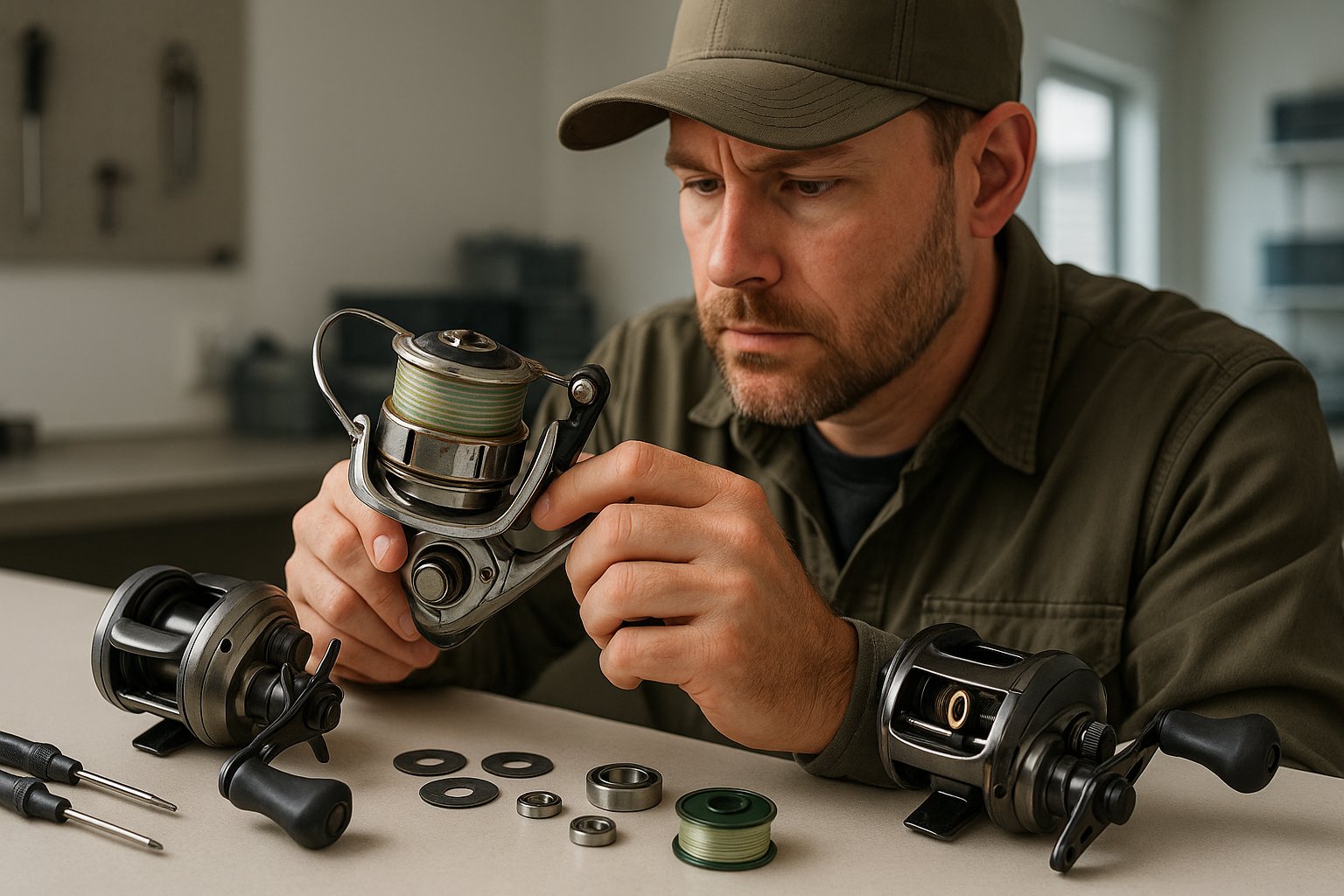
Not every reel problem calls for a full replacement. But when small issues keep showing up, they often point to a setup that's holding us back. Recognizing those signs early helps us spend money where it matters instead of chasing random upgrades.
One of the biggest red flags is inconsistent drag performance. If the drag starts jerky, surges under load, or needs constant adjustment during a fight, the reel is no longer giving us predictable pressure. That matters most when we're fishing light line, throwing finesse presentations, or targeting stronger fish that make sudden runs.
Another common sign is poor line management. We might see wind knots on spinning gear, uneven line lay, loops coming off the spool, or line digging in on baitcasters. Sometimes the issue is user error, but if it persists even after proper spooling and line selection, the reel setup likely needs attention.
We should also pay attention to roughness under retrieve. A reel that feels geary, noisy, or tight under load often has worn bearings, poor lubrication, gear wear, or a rotor/spool system that's no longer running smoothly. Even if it still works, it's reducing efficiency every cast.
Here are a few more signs that it's time to consider an upgrade fishing reel setup project:
-
Shorter casting distance than the rod, lure weight, and line should allow
-
Handle play or backplay that makes the reel feel loose
-
Frame flex when fighting larger fish
-
Corrosion spots around bearings, screws, or the bail assembly
-
Fatigue from poor balance, especially on all-day trips
There's also the practical test: if we regularly fish in ways our current reel wasn't really built for, our setup probably needs to evolve. For example, a budget freshwater spinning reel used in brackish inshore conditions may perform fine at first, then decline fast. Likewise, a basic reel with entry-level drag washers may struggle once we start targeting harder-running species.
A good upgrade isn't about chasing expensive gear for its own sake. It's about fixing the exact weaknesses that show up on the water. Once we identify those weak points, the next step is choosing the components that will actually improve reel performance instead of just looking impressive on paper.
Key Components to Improve First
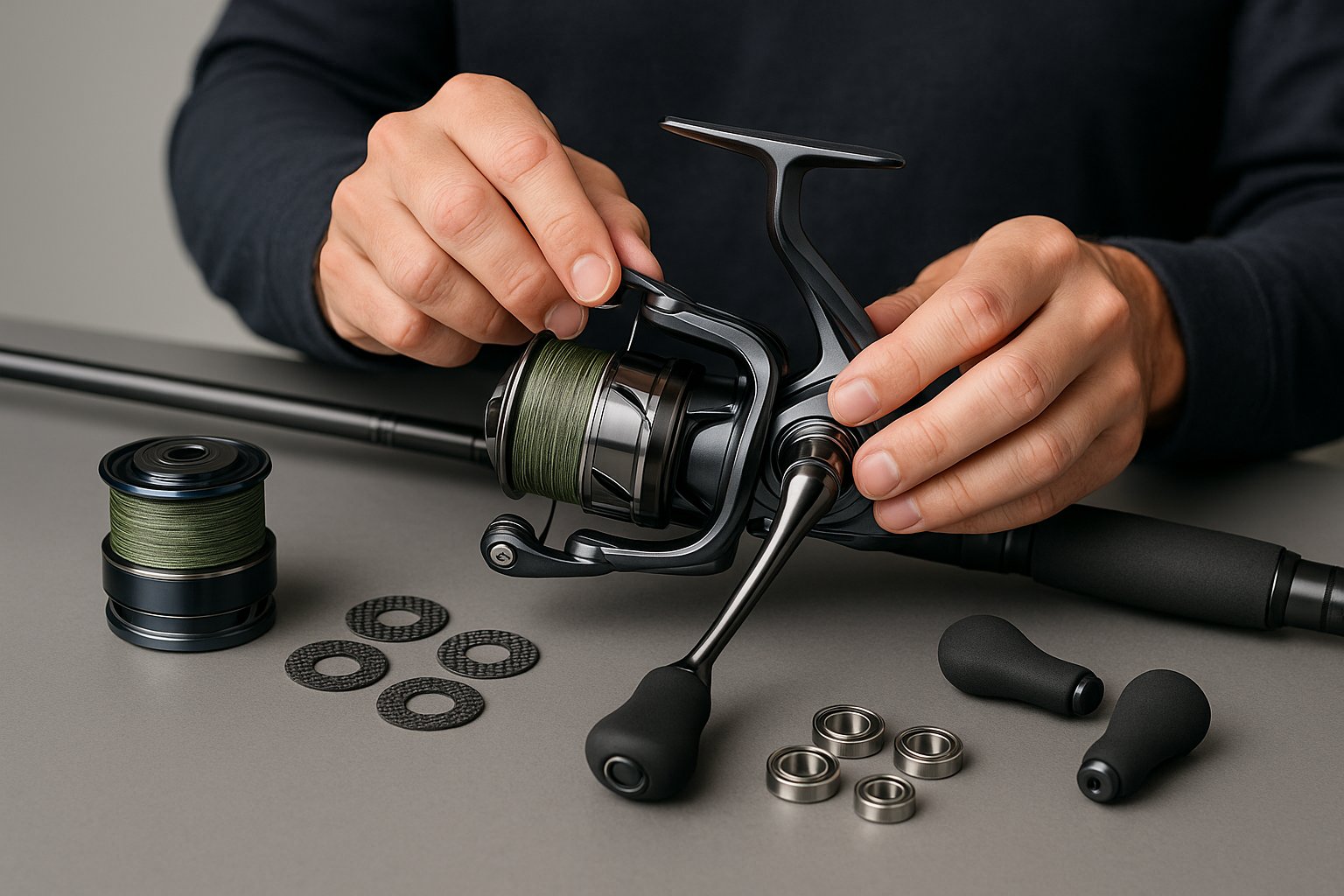
If we want the best return on our money, we should upgrade the parts that affect feel, control, and reliability the most. In most cases, that means focusing on line, drag, bearings, handle knobs, and overall balance before anything cosmetic.
Line and Spooling
The fastest way to improve fishing performance is often the simplest: replace old or poorly matched line. A quality braid, fluorocarbon, or mono in the correct diameter can instantly improve casting, sensitivity, and line management. Even the best reel feels average if the line is twisted, oversized, or breaking down.
Proper spooling matters just as much. Overfilling a spinning reel invites loops and wind knots. Underfilling reduces casting distance. On baitcasters, poor tension and sloppy line lay can make even a premium reel frustrating.
Drag Washers
If the drag is sticky or inconsistent, upgrading the drag stack is one of the smartest moves we can make. Carbon fiber drag washers are a popular improvement because they tend to handle heat better and deliver smoother pressure than lower-grade stock materials. This is one of the clearest answers to the question of how to improve reel performance without replacing the whole reel.
Bearings
Bearing upgrades can help, but they're often misunderstood. More bearings don't automatically mean better performance. What matters is bearing quality, placement, and sealing. Replacing worn or low-quality spool and handle bearings with better-made options can smooth out retrieve and improve startup, especially on reels that already have solid frame and gear construction.
Handle and Knobs
A more ergonomic handle knob can make a bigger difference than many anglers expect. Better grip means more control in wet conditions, less fatigue, and more cranking leverage. That's especially noticeable when working resistance baits, fighting current, or landing larger fish.
Reel-to-Rod Balance
Sometimes the "reel issue" is really a combo issue. If the setup feels tip-heavy or awkward, upgrading the reel size, or pairing it with a better-matched rod, can improve comfort and efficiency all day long. This is one of the most overlooked fishing gear upgrade tips, and it pays off every trip.
As a rule, we should start with upgrades that solve actual performance problems first. Smoother drag, cleaner line flow, and better balance will almost always outperform flashy add-ons.
Budget vs High-End Upgrades
Not every reel deserves premium parts, and not every angler needs flagship-level gear. The right move depends on the reel's base quality, how often we fish, and what species or techniques demand from the setup.
Budget upgrades are ideal when the reel has a decent frame and gear foundation but is held back by a few weak stock components. Think fresh line, a drag washer swap, a basic bearing refresh, or improved handle knobs. These changes are relatively affordable and can make a mid-tier reel feel noticeably better.
Budget upgrades usually make sense when:
-
The reel is structurally sound
-
We fish casually or seasonally
-
We want better function without chasing perfection
-
Replacement cost is still low enough to stay practical
For many anglers, this is the sweet spot. A $20 to $60 investment can produce a real jump in usability, especially if the reel was decent to begin with.
High-end upgrades are different. These often include premium bearings, lightweight aftermarket spools, carbon handles, advanced drag systems, or full internal tuning. On the right reel, these changes can sharpen startup inertia, increase casting efficiency, reduce weight, and create a more refined feel overall.
But high-end upgrades only make sense when the platform can support them. Putting expensive parts into a flexy, entry-level reel rarely gives us the return we hope for. It's like mounting race tires on an economy car, technically possible, not always wise.
Here's a practical comparison:
|
Upgrade Type |
Best For |
Typical Benefit |
Main Risk |
|---|---|---|---|
|
Fresh premium line |
Any reel |
Better casting and fewer line issues |
Wrong line match |
|
Carbon drag washers |
Mid-tier and up |
Smoother drag |
Poor install |
|
Bearing replacement |
Reels with good internals |
Smoother retrieve/startup |
Minimal gain on low-end reels |
|
Aftermarket spool |
Technique-focused anglers |
Better casting response |
Cost may exceed reel value |
|
Full tuning/custom parts |
Enthusiasts and heavy users |
Maximum refinement |
Expensive, diminishing returns |
The key is honesty. If the reel has chronic flex, poor gear mesh, or corrosion throughout, upgrading parts may just delay a smarter purchase. In those cases, putting the money toward a better reel is usually the stronger long-term decision.
So when we weigh budget vs high-end upgrades, we should ask one question first: Will this part upgrade the reel, or are we trying to rescue a reel that's already past its ceiling?
Performance Gains You Can Expect
A well-planned reel upgrade should create gains we can actually feel on the water, not just specs that look nice in a product listing. When we upgrade the right parts, the benefits usually show up in four areas: casting, drag consistency, comfort, and reliability.
Better Casting Efficiency
With the right line, spool setup, and smoother rotating components, we can often cast farther and with less effort. On spinning setups, that may mean fewer loops and cleaner line flow. On baitcasters, it can mean easier lure startup and fewer frustrating overruns. We shouldn't expect miracles, but a properly matched setup often delivers a very noticeable improvement in control.
Smoother, More Predictable Drag
This is one of the most valuable gains. A smoother drag protects line, keeps pressure steady, and gives us more confidence when a fish surges boatside or runs at the net. Upgrading drag washers or restoring a neglected drag stack can make a reel feel like a different tool entirely.
Reduced Fatigue and Better Control
An ergonomic handle, improved balance, and smoother retrieve reduce the small inefficiencies that wear us down over a long day. That means less hand strain, more precise lure control, and better focus. It's not flashy, but it's exactly the kind of improvement fishing gear upgrade tips should prioritize.
Stronger Reliability Under Load
High-quality bearings, better drag materials, and improved corrosion resistance can extend the reel's useful life, especially if we fish often or in tough conditions. Reliability matters because one of the fastest ways to hurt fishing performance is to lose trust in our gear. Once we start babying a reel instead of fishing confidently, efficiency drops.
That said, expectations should stay realistic. Upgrades won't turn a basic reel into a top-tier flagship model. Frame rigidity, gear tolerances, and original build quality still set the ceiling. What upgrades do is help us get closer to that ceiling.
A simple before-and-after checklist can help us judge results:
-
Are casts smoother and more repeatable?
-
Is drag startup more consistent?
-
Does the reel feel tighter and more connected?
-
Are line issues happening less often?
-
Can we fish longer without discomfort?
If the answer is yes to most of those, the upgrade worked. And that's the real goal: practical gains that help us fish better, not just spend more.
Recommended Upgrade Paths
The best upgrade path depends on the reel's current quality, how we fish, and what problems we're trying to solve. Instead of guessing, we can follow a phased approach that improves performance in the right order.
Path 1: Entry-Level Reel, Maximum Value
If we're working with an entry-level reel, we should keep upgrades simple and cost-effective.
-
Replace the line with a better-matched premium option.
-
Service and lubricate the reel properly.
-
Upgrade drag washers if smoothness is lacking.
-
Add a better handle knob if comfort is an issue.
This path is ideal when we want to improve fishing performance without spending more than the reel is worth. If major roughness or flex remains after these changes, it's usually better to save for a stronger reel.
Path 2: Mid-Tier Reel, Best Performance per Dollar
This is where upgrades often shine.
-
Start with line and spool setup.
-
Upgrade to carbon drag washers if needed.
-
Replace key bearings, not every bearing, just the ones that matter most.
-
Improve handle ergonomics and balance.
-
Reassess before spending more.
A good mid-tier reel often has enough frame and gear quality to benefit from targeted upgrades. This is usually the most practical answer to how to improve reel performance without stepping into diminishing returns too quickly.
Path 3: High-End Reel, Fine-Tuning for Specific Techniques
If we already own a quality reel, upgrades should be highly intentional.
-
Match line and spool depth precisely to the technique.
-
Tune braking, tension, and drag for the target species.
-
Consider premium spool or bearing upgrades only if they support a clear goal, such as finesse casting or lighter startup.
-
Prioritize maintenance over constant modification.
At this level, small changes can produce meaningful gains, but only when we know exactly what we want from the reel.
A Simple Decision Rule
Use this quick rule before buying parts:
-
If maintenance fixes it, maintain it.
-
If one weak component limits performance, upgrade that part.
-
If several core components are weak, replace the reel.
That approach keeps us efficient, protects the budget, and avoids the classic mistake of overbuilding a reel that was never meant to be heavily modified.
The smartest setup upgrades are rarely the flashiest ones. They're the ones that remove friction from our fishing, literally and figuratively, so every cast, retrieve, and hook-up feels more dependable.
Upgrade Fishing Reel Setup FAQs
What are the first signs that my fishing reel setup needs an upgrade?
Early signs include inconsistent drag performance, poor line management with wind knots or uneven lay, rough or noisy retrieve, shorter casting distance, handle play, frame flex, corrosion, and fatigue from poor balance after long use.
How can upgrading drag washers improve my fishing reel setup?
Upgrading to carbon fiber drag washers provides smoother, more consistent drag pressure and better heat resistance, enhancing fight control, especially when using light lines or targeting strong fish, without replacing the entire reel.
Which parts should I focus on first when upgrading a fishing reel setup?
Prioritize upgrading the line quality and spooling technique, drag washers, key bearings, ergonomic handle knobs, and improving reel-to-rod balance before considering cosmetic changes for better overall performance.
Are high-end upgrades always worth it for fishing reels?
Not always; high-end upgrades like premium bearings or carbon handles benefit reels with solid frames and gear quality. For entry-level reels, expensive parts often provide minimal gains and may be better saved for a new reel.
How can upgrading the fishing line impact casting performance?
Replacing old or poorly matched fishing line with quality braid, fluorocarbon, or mono in the correct diameter improves casting distance, sensitivity, and reduces line issues like twists and wind knots, instantly enhancing reel performance.
What performance improvements can I expect after upgrading my fishing reel setup?
Upgrades often result in smoother, more efficient casting, consistent and predictable drag, reduced hand fatigue with better control, and increased reliability under load, helping you fish harder and more confidently.


