

Trout Fishing Reel Setup: Dial In the Right Reel, Line, and Lures for More Bites
Building the right trout fishing reel setup starts with reading the water. For most anglers, a 1000-size spinning reel paired with an ultralight rod is the sweet spot—it handles light line (2- to 6-pound mono or braid with a fluoro leader) and small lures effortlessly. Small streams favor 500-size reels and finesse, while lakes may call for 2000-size reels for casting distance. Match your line to water clarity and lure weight, and choose a smooth drag to protect light leaders. Whether you fish rivers or lakes, a balanced, finesse-focused setup puts more trout in your net.
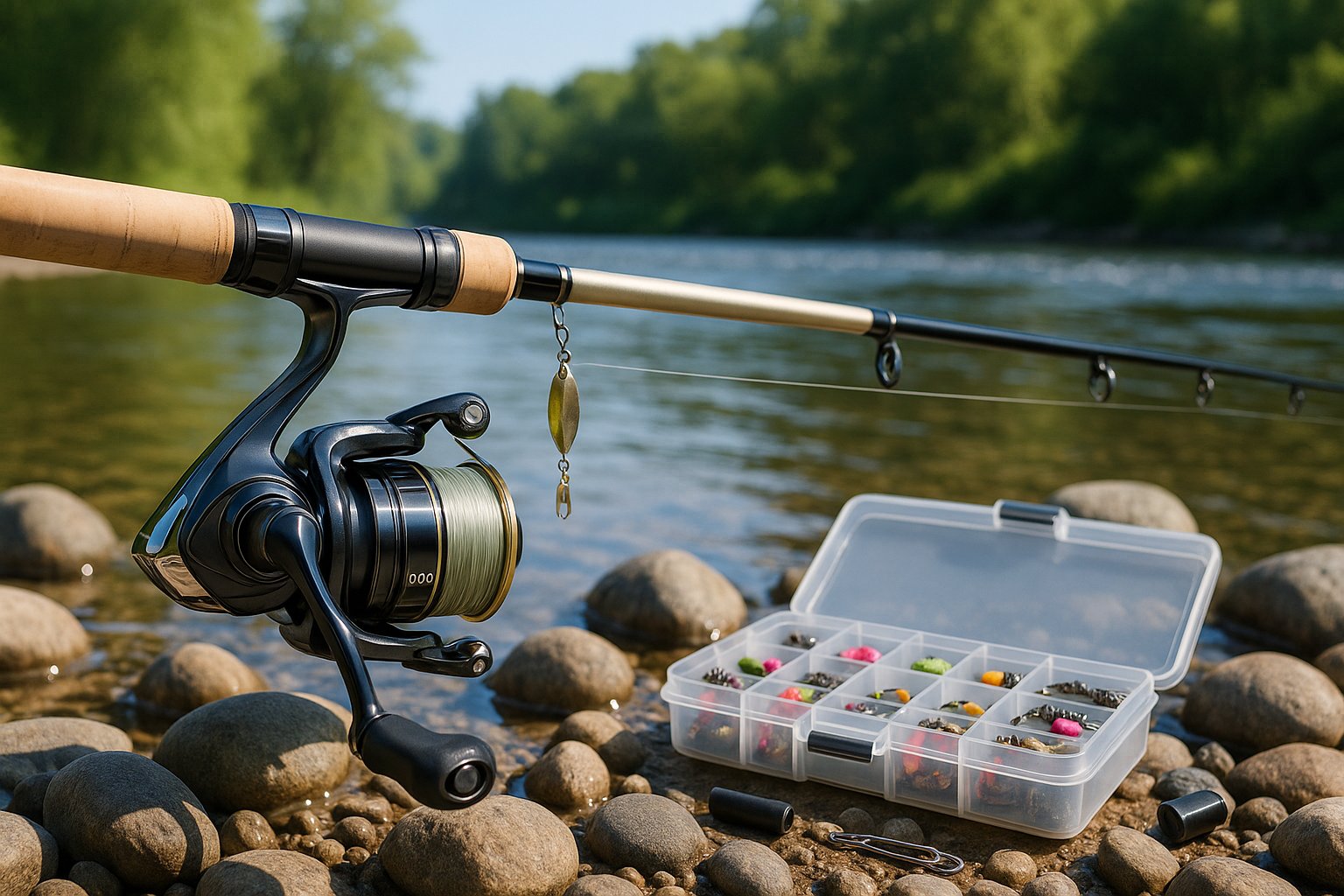
A good trout fishing reel setup doesn't need to be complicated, but it does need to match where and how we fish. Trout are light-biting, line-shy in clear water, and often found in places where precision matters more than brute force. That means the wrong reel size, line choice, or lure pairing can cost us casts, hookups, and fish.
The good news? Once we understand a few basics, building an efficient setup gets a lot easier. We can choose a reel that balances an ultralight rod, spool line that fits the water clarity and lure weight, and make simple adjustments for rivers versus lakes. That's really the difference between a setup that feels frustrating and one that feels effortless.
In this guide, we'll break down the conditions that shape trout tackle decisions, cover the best reel for trout fishing in common situations, and lay out practical combinations we can actually use on the water.
Understanding Trout Fishing Conditions
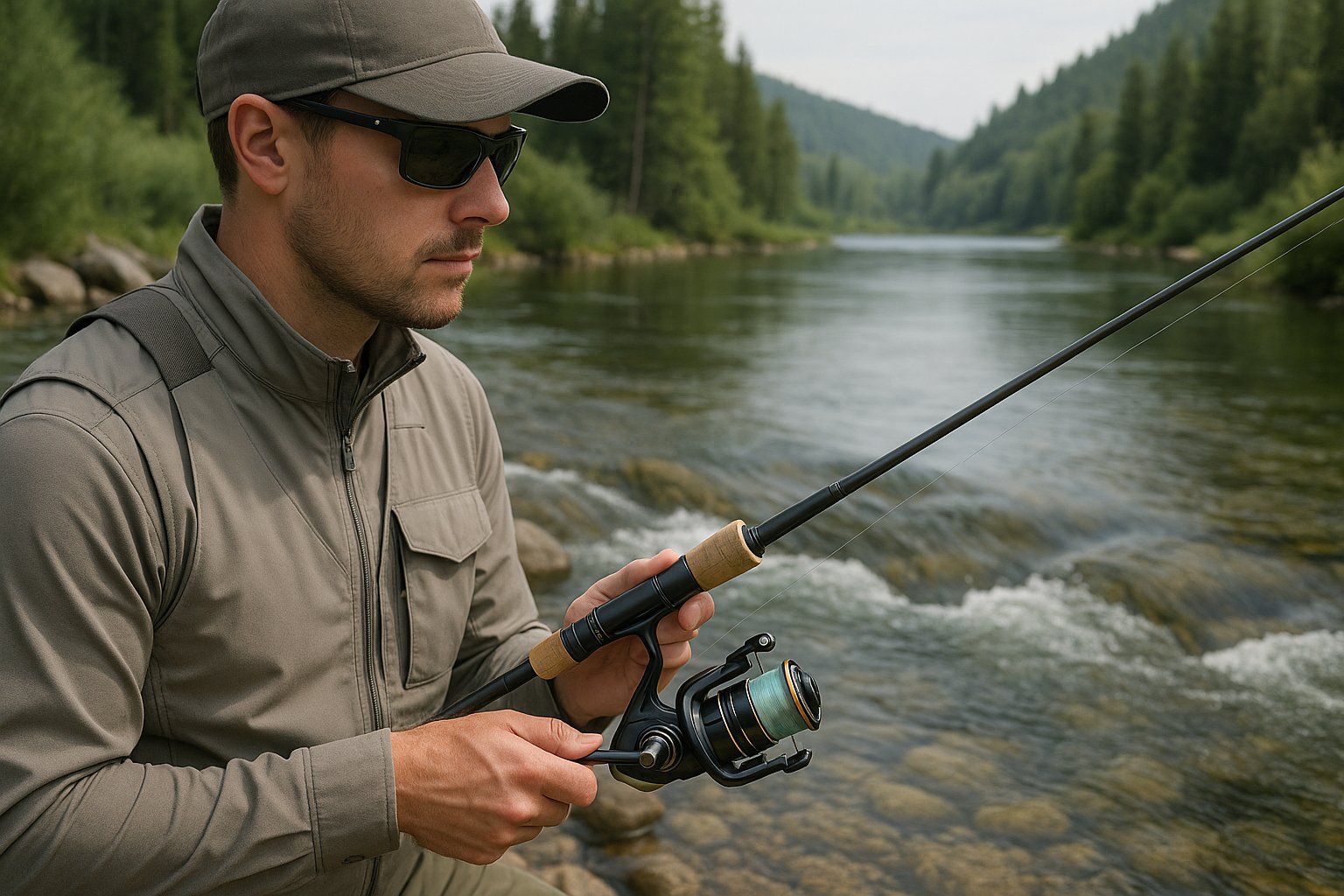
Before we pick a reel, we need to read the water. Trout fishing is highly condition-driven. Water clarity, current speed, depth, temperature, and the average size of fish all affect what a smart trout fishing reel setup looks like.
In clear creeks and spring-fed streams, trout usually get a long look at our presentation. That pushes us toward lighter line, smaller lures, and smoother drags. A bulky setup can work against us fast. In these situations, finesse matters more than raw power, and an ultralight reel trout setup often gives us the control we need.
Rivers add current to the equation. Current changes how lures track, how line bows, and how much pressure fish can use once hooked. Even a modest 14-inch trout feels stronger in current than it does in flat water. So while trout tackle tends to stay light, we still want a reel with a consistent drag and clean line management.
Lakes and ponds are a little different. We usually make longer casts, cover more water, and fish more open space. Wind becomes a bigger factor. So does depth control. In those cases, spool capacity and smooth retrieves matter more than they might in a tiny stream.
Season matters too. In cold water, trout are often less aggressive, which makes subtle lure action and thin line more useful. During warmer periods, especially early morning or in moving water, we may fish slightly faster and a little more aggressively. Stocked trout can also behave differently from wild trout. Stockers often respond well to straightforward presentations, while wild fish usually punish sloppy ones.
A practical way to think about trout fishing gear is this: the smaller and clearer the water, the lighter and more refined our setup should be. The bigger, deeper, or windier the water, the more we can lean toward slightly larger reels and stronger line, without losing the finesse trout demand.
Ideal Reel Size and Type
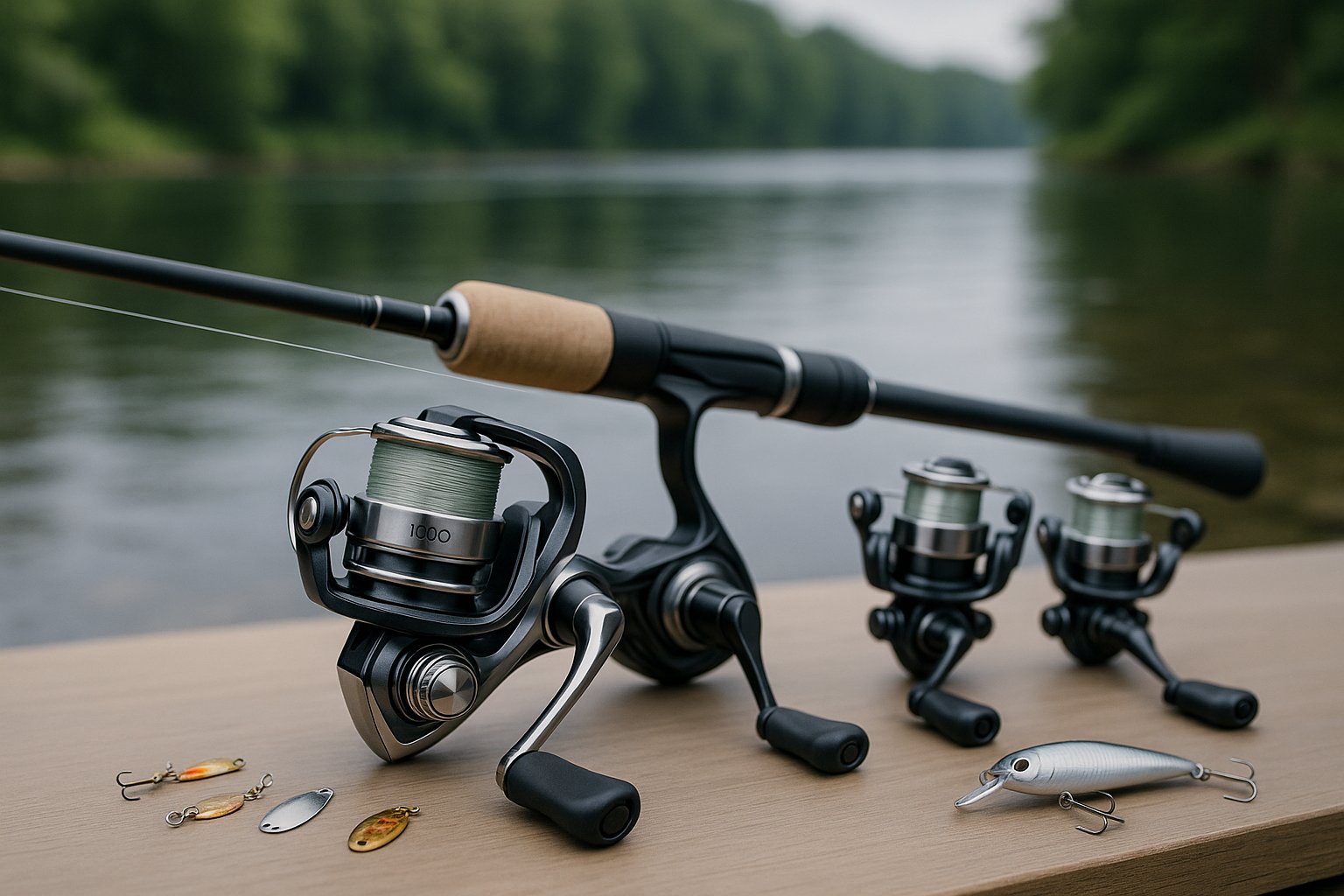
For most trout anglers, a spinning reel is the default choice, and for good reason. It handles light line well, casts small lures efficiently, and keeps the learning curve low. If we're building one versatile trout fishing reel setup, a spinning reel in the 500 to 2000 size range is the sweet spot.
For tiny creeks, small streams, and dedicated ultralight fishing, a 500 or 1000 size reel is usually ideal. These reels balance short ultralight rods well and perform best with light mono, fluorocarbon, or braid in the 2- to 10-pound range depending on application. They're compact, sensitive, and easy to fish all day.
For general trout fishing, especially if we split time between streams, rivers, and lakes, a 1000 or 2000 size reel is often the best reel for trout fishing. It gives us a bit more spool diameter, which can improve line management and casting distance while still keeping the outfit light. That's the sweet spot for many anglers because it feels delicate without being underpowered.
Drag quality matters more than max drag number. Trout don't demand a winch. What we want is a drag that starts smoothly and stays consistent on light line. Jerky drag systems break leaders and lose fish. A smooth drag is especially important when we fish 2- to 4-pound line or throw tiny hard baits with light-wire hooks.
Gear ratio is less critical, but moderate speeds tend to be the most versatile. Something around the mid-range lets us fish inline spinners, small spoons, micro crankbaits, and bait rigs without constantly fighting the reel.
Could we use a baitcasting reel? Sure, in specialized cases, bigger river trout, float fishing, or heavier presentations. But for the average trout angler, spinning gear is simply more practical. It excels with light presentations, and trout fishing usually rewards exactly that.
If we want one simple rule: pair an ultralight or light rod with a 1000-size spinning reel first. If we mostly fish larger lakes or windy shorelines, step to a 2000. If we live on brushy brook trout water, go smaller. That approach covers most trout scenarios cleanly and keeps our trout fishing gear balanced instead of overbuilt.
Best Line and Lure Combinations
This is where many trout setups either click, or fall apart. A reel can be perfect on paper, but if the line and lure don't match, casting suffers and presentations look off.
For the most traditional trout fishing reel setup, 2- to 6-pound monofilament still works very well. Mono is forgiving, easy to manage, and ideal for anglers fishing bait, small spinners, or spoons. In small streams, 2- to 4-pound mono keeps things subtle and lets lightweight lures work naturally. In bigger rivers or lakes, 4- to 6-pound mono gives us a little extra insurance.
Fluorocarbon is a strong option when water is very clear or fish are pressured. It's less visible underwater and sinks better than mono, which helps with small jigs, nymph-style presentations, and finesse rigs. The tradeoff is manageability: fluorocarbon can be stiffer, especially on smaller spools.
Braid with a fluorocarbon leader is another excellent option, especially on spinning gear. Something like 6- to 10-pound braid paired with a 2- to 6-pound fluoro leader gives us sensitivity, easy hooksets, and strong line control. The thin diameter also improves casting distance with tiny lures. We just need to pay attention to leader length and drag settings, because braid has almost no stretch.
Here are a few lure-and-line pairings that work consistently:
-
Inline spinners + 4-pound mono or 8-pound braid to 4-pound leader: Great for streams and current seams.
-
Small spoons + 2- to 4-pound mono or fluorocarbon: Ideal for stocked trout and open-water retrieves.
-
Micro jigs + 6-pound braid to 4-pound fluoro leader: Excellent for sensitivity and depth control.
-
Trout magnets or float rigs + 2- to 4-pound mono: Simple, effective, and forgiving.
-
Small crankbaits or jerkbaits + 4- to 6-pound mono/fluoro: Better when we need a little abrasion resistance.
A quick note on lure weight: most trout reels themselves don't determine casting performance as much as the full combo does. But small spinning reels paired with ultralight rods shine with lures in the 1/64- to 1/8-ounce range. If we regularly throw heavier spoons or larger minnow baits, a light setup with a 2000-size reel can feel better.
When in doubt, match light line to small, subtle lures. Trout rarely reward clunky tackle.
Setup Tips for Rivers vs Lakes
The same reel can work in both places, but we shouldn't fish it exactly the same way.
Rivers
In rivers and streams, line control is everything. Current creates drag on the line, pulls lures off track, and can make a perfect cast drift unnaturally. That's why we usually want a slightly more controlled, finesse-oriented setup.
A 500 or 1000 size spinning reel on an ultralight or light rod is ideal for most river trout fishing. We'll often do best with 2- to 4-pound mono, or thin braid with a fluorocarbon leader. Shorter casts are common, so ultimate spool capacity matters less than smooth pickup and accurate presentation.
We should also think about reel weight. In river fishing, we cast constantly and hold the rod tip high to manage drift. A lighter reel reduces fatigue and helps the outfit feel crisp in hand.
For moving water, drag settings should be slightly conservative. Trout can use current to surge hard, and tight drags are a fast way to pop light leaders. It's usually better to let the fish run a little and guide it into softer water.
Lakes
In lakes, ponds, and reservoirs, we usually need more distance and broader coverage. That often favors a 1000 or 2000 size spinning reel, especially if we're casting spoons, spinners, small crankbaits, or fishing from shore in wind.
Slightly larger spools help line come off more cleanly, which can improve distance with lightweight lures. We may also fish deeper water, suspend baits under floats, or count down small jigs, so a setup that retrieves smoothly over long casts becomes more valuable.
Line choice can also shift a bit. In open water, 4-pound mono is a staple, while braid-to-leader setups can really help with casting and bite detection. If there's very little cover, we can stay light. If we're around rocks, docks, or submerged timber, bumping leader strength slightly makes sense.
The short version: rivers reward finesse, control, and drift management. Lakes reward casting efficiency, coverage, and depth control. When we make those adjustments, our trout fishing gear starts working with the environment instead of against it.
Recommended Trout Fishing Setups
If we want to skip the guesswork, these proven combinations cover most situations.
1. Small Stream Ultralight Setup
-
Reel: 500 or 1000 size spinning reel
-
Rod: 5'6" to 6' ultralight, fast or moderate-fast action
-
Line: 2- to 4-pound mono or 6-pound braid to 2- or 4-pound fluoro leader
-
Best for: Brook trout streams, tight creeks, tiny spinners, trout magnets
This is the classic ultralight reel trout approach. It's accurate, light in the hand, and ideal when we're fishing close quarters where subtlety matters more than long casting.
2. All-Around Trout Setup
-
Reel: 1000 size spinning reel
-
Rod: 6' to 6'6" light-power rod
-
Line: 4-pound mono or 8-pound braid to 4-pound fluorocarbon leader
-
Best for: Mixed rivers, stocker ponds, small lakes, inline spinners, spoons, bait
If someone asks for the best reel for trout fishing without getting overly specific, this is usually the answer. It's versatile, forgiving, and covers the widest range of trout presentations.
3. River and Drift Setup
-
Reel: 1000 size spinning reel with smooth drag
-
Rod: 6'6" light or ultralight rod
-
Line: 6-pound braid to 4-pound fluorocarbon leader
-
Best for: Current seams, drifting jigs, nymph-style rigs, light spinner work
This setup gives us better sensitivity and line control in moving water. It shines when strikes are subtle and current is constantly trying to pull us out of the zone.
4. Lake Shoreline Setup
-
Reel: 2000 size spinning reel
-
Rod: 6'6" to 7' light-power rod
-
Line: 4- to 6-pound mono or 8-pound braid to 4- or 6-pound leader
-
Best for: Long casts, spoons, small crankbaits, searching shorelines
When wind and distance become part of the day, the slightly larger reel earns its keep. We still stay finesse-focused, but we gain casting ease and better line handling.
5. Stocked Trout Bait Setup
-
Reel: 1000 size spinning reel
-
Rod: 6' light or ultralight rod
-
Line: 2- to 4-pound mono
-
Best for: Dough bait, worms, salmon eggs, small floats, still-water trout
Simple still wins. For stocked fish in ponds or easy-access lakes, this setup is hard to beat and doesn't require expensive trout fishing gear.
The key across all five setups is balance. A reel that's too large overpowers the rod and hurts finesse. A reel that's too small for our water and lure weights can feel limiting. Start with the all-around 1000-size spinning setup, then specialize from there as our fishing becomes more focused.
A well-balanced trout fishing reel setup helps us cast farther, fish lighter line with confidence, and land more trout without making the whole process more complicated. That's the sweet spot. If we build around conditions first and gear second, we'll make better decisions every time we hit the water.
Trout Fishing Reel Setup FAQs
What is the ideal reel size for trout fishing?
For most trout fishing, a spinning reel sized between 500 and 2000 is ideal, with 1000 being the most versatile. Smaller sizes like 500 suit ultralight fishing in tiny streams, while 2000 works better for larger lakes and windy conditions.
How does water type affect my trout fishing reel setup?
Clear, small streams demand lighter reels, thinner line, and smaller lures to avoid spooking trout. Rivers require smooth drag and excellent line control for fighting current, while lakes favor larger spool capacity and smooth retrieves for longer casts and depth control.
What line and lure combinations work best with a trout fishing reel setup?
2- to 6-pound monofilament is great for bait and small lures. Fluorocarbon is best in clear water for subtle presentations, and braid with a fluorocarbon leader offers sensitivity and strong hooksets—matching lure weight around 1/64 to 1/8 ounce helps optimize casting.
Can I use a baitcasting reel for trout fishing?
Although possible for larger river trout or heavier rigs, spinning reels are generally preferred for trout fishing because they handle light line and small lures better, are easier to use, and provide the finesse trout require.
What reel and rod setup is recommended for river trout fishing?
A 500 or 1000 size spinning reel paired with an ultralight or light rod around 5'6" to 6'6" works well. Using 2- to 6-pound line with smooth drag settings helps control current and reduces line breaks during drifts and precise casts.
How should I adjust my trout fishing reel setup for lake fishing?
For lakes, use a 1000 or 2000 size spinning reel with a 6'6" to 7' light-power rod. Opt for 4- to 6-pound line or braid with a fluorocarbon leader to improve casting distance, handle wind, and fish deeper water effectively.
 Featured

