

Surf Fishing Reel Setup: How We Choose the Right Reel for Longer Casts and Fewer Headaches
A good surf fishing reel setup balances line capacity, smooth drag, corrosion resistance, and casting performance. Surf gear faces salt, sand, heavy payloads, and hard-fighting fish. For most anglers, a 4000 to 6000-size spinning reel with sealed components and quality line lay offers the best mix of distance and durability. Pair braid or mono to match your rod and target species. Reels like the Penn Slammer IV, Daiwa BG MQ, and Shimano Saragosa SW stand out for saltwater reliability. But no reel lasts without care: rinse after each trip, avoid high-pressure sprays, and service regularly. Build a balanced setup, maintain it well, and the surf becomes a much more forgiving place.
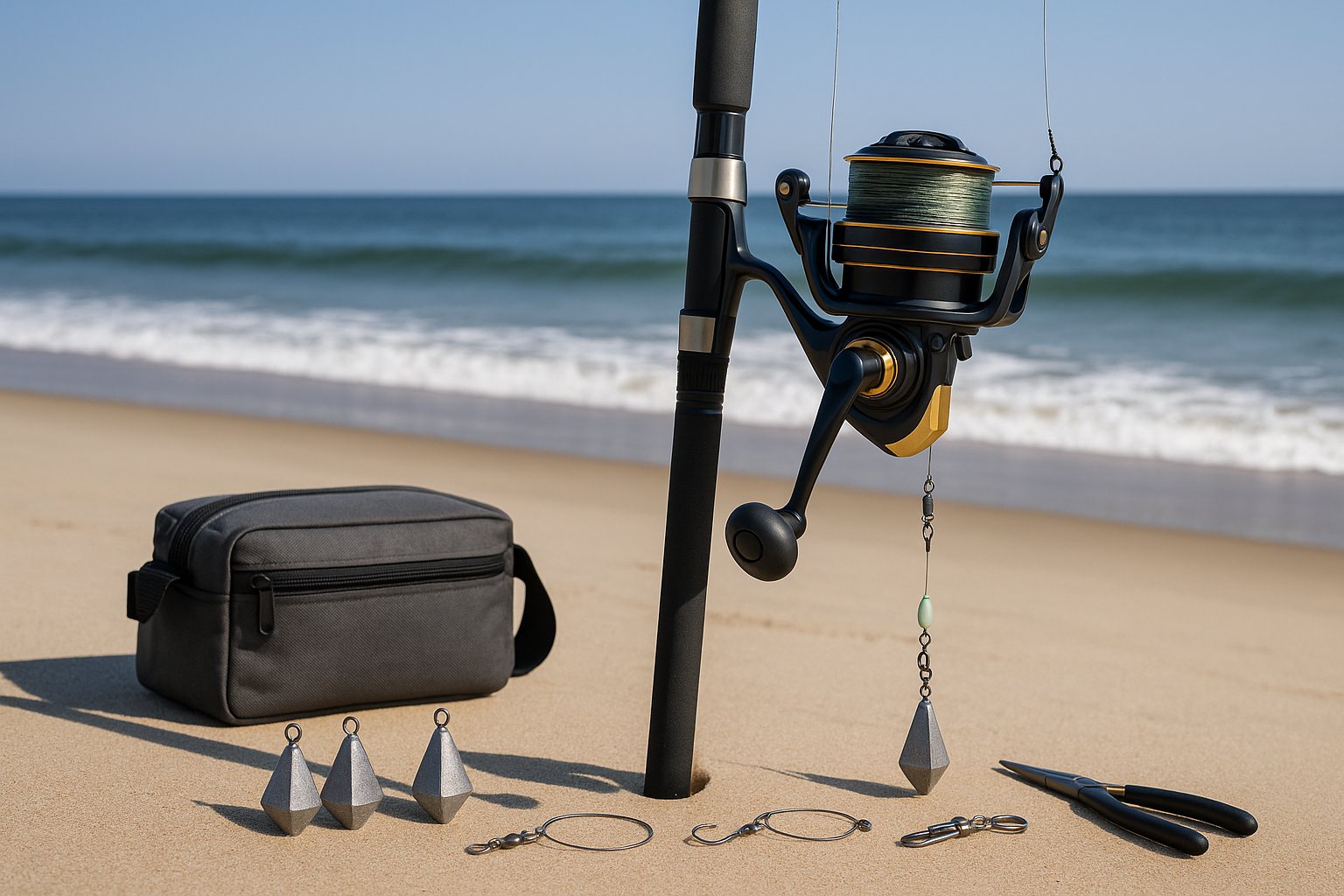
A good surf fishing reel setup can make the difference between a smooth morning on the beach and three frustrating hours of wind knots, short casts, and a reel that starts grinding after one salty trip. Surf fishing asks more from gear than many anglers realize. We're dealing with sand, salt, current, bigger baits, and the need to launch a rig well beyond the wash.
That's why picking a reel for the surf isn't just about brand loyalty or grabbing the biggest spool on the shelf. We need balance: enough line capacity, strong drag, solid sealing, and casting performance that matches the rod, bait, and species we're targeting. In this guide, we'll break down the real-world challenges of surf fishing, the key reel features that matter most, how casting distance changes setup choices, and which reels are actually worth considering. If you're building a saltwater surf reel setup from scratch, this will help you avoid expensive mistakes.
Challenges of Surf Fishing
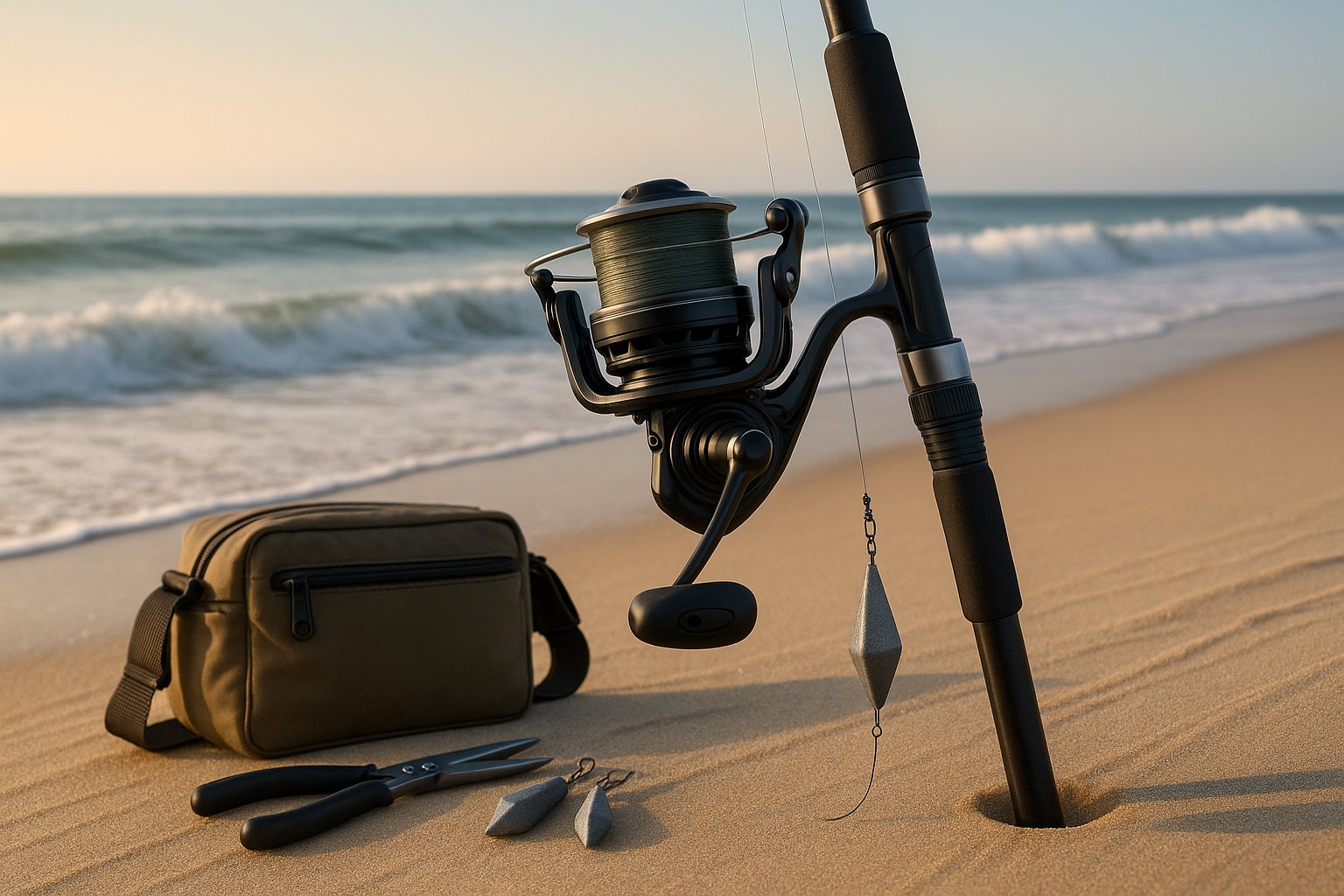
Surf fishing looks simple from a distance: stand on the sand, cast out, wait for a bite. In practice, it's one of the more demanding environments for a reel. The beach is hard on equipment, and the reel takes most of the punishment.
First, there's salt. Saltwater doesn't just sit on the reel's surface: it creeps into handles, line rollers, bearings, drag stacks, and body seams. Even a quality reel can feel rough if it's not designed for the surf or rinsed properly after use.
Then there's sand, which is arguably worse. Fine grains get everywhere. Set a reel down once in wet sand and you've created a maintenance project. A surf setup has to tolerate abuse, because even careful anglers get hit by blowing sand, splash, and the occasional wave that comes farther up the beach than expected.
The second big challenge is casting heavier payloads. In freshwater, we might toss a light lure all day with little strain on the reel. In the surf, we're often throwing sinkers, bait rigs, plugs, or metal spoons into wind. That means more stress on the spool lip, line lay, bail system, and gearing. A reel that feels great in a tackle shop can fall apart quickly when asked to launch 4 to 8 ounces repeatedly.
Current and surf conditions also matter. Fish aren't always at our feet. Sometimes the productive water is beyond an outer bar, in a cut, or on the far side of turbulent whitewater. That forces us to think about distance, line control, and retrieval power. A weak reel can struggle to bring in a rig through sweep and wave resistance.
And finally, surf species tend to expose drag weaknesses fast. Red drum, striped bass, bluefish, snook, and sharks all punish gear differently. Some make long runs. Some surge in the wash. Some simply test whether the drag stays smooth under pressure.
So when we talk about the best reel for surf fishing, we're really talking about a reel that survives a rough environment, casts efficiently, and still performs under load. That's a narrower category than most anglers think.
Key Features for Surf Reels
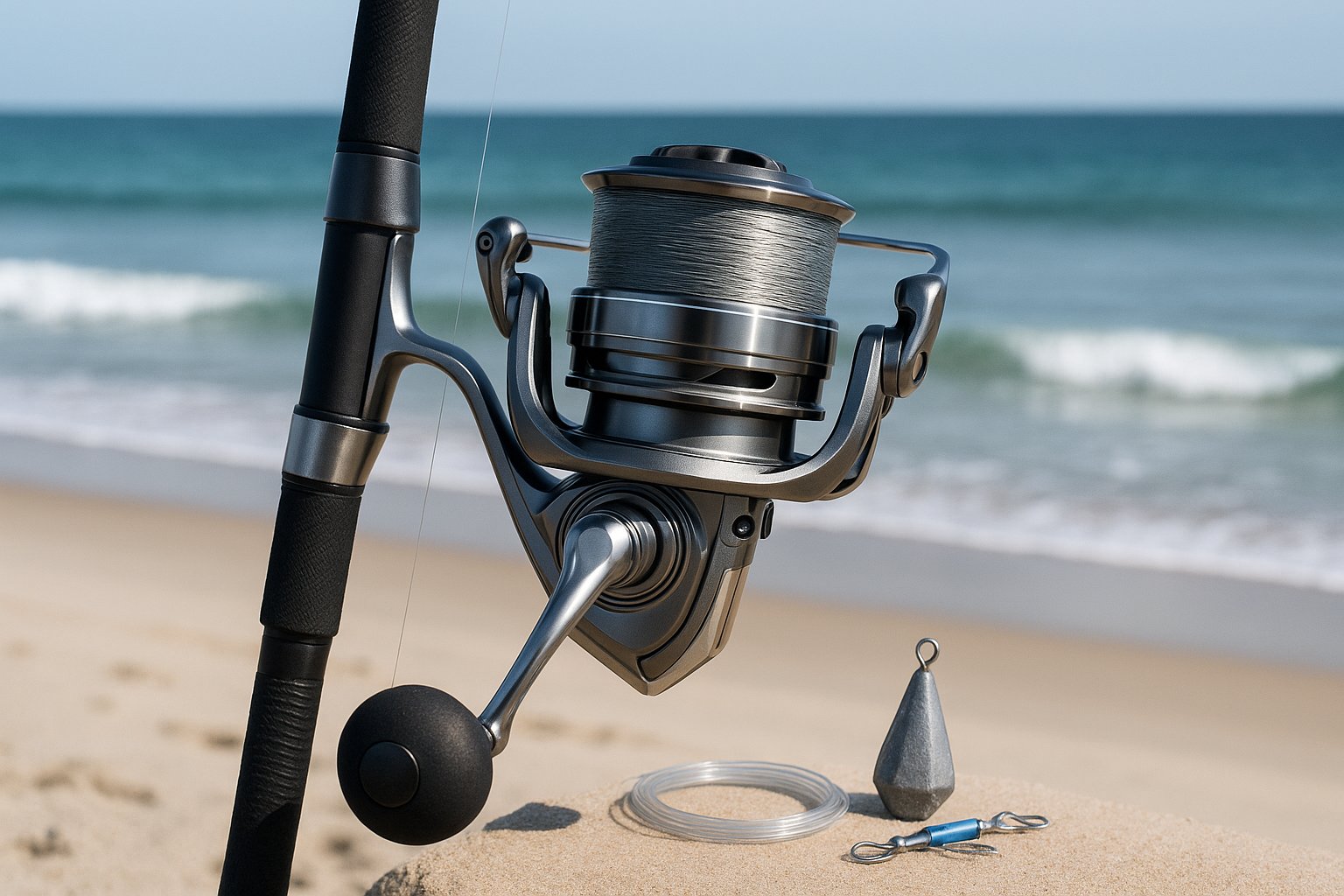
When we're choosing a surf reel, a few features matter far more than flashy cosmetics or a giant bearing count. Manufacturers love printing "10+1 bearings" on the box. Nice, maybe. But it's not the main thing.
Size and line capacity
A proper surf reel needs enough capacity for the job. That doesn't always mean oversized, but it does mean realistic. If we're throwing bait for bigger fish, fishing current, or using heavier mono or braid with a shock leader, we need room on the spool. Most surf anglers end up in the 4000 to 8000 size range for spinning reels, depending on species and technique.
Capacity matters because a reel loses retrieve rate and drag consistency when the spool gets too low. Long casts and strong runs will expose a tiny spool quickly.
Drag system
A smooth, durable drag is non-negotiable. Maximum drag numbers are often marketed aggressively, but what we really want is usable drag that stays consistent. A surf reel with a jerky drag is trouble, especially when fish hit in moving water. Carbon fiber drag systems tend to perform well, particularly when sealed or well protected.
Gear strength and retrieve power
Not every surf scenario is about speed. Sometimes we need torque more than headline gear ratio. Retrieving a sinker through current or cranking a large fish through shore break puts strain on the main gear and pinion. Reels with rigid bodies and solid gear support tend to stay smoother over time.
Spool design and line lay
This is huge for a long casting surf reel. A tall, well-shaped spool with good line management usually casts farther than a deep, clumsy design that lets line bunch unevenly. Oscillation systems matter here. Better line lay means cleaner loops leaving the spool and fewer headaches in wind.
Sealing and build quality
A good saltwater surf reel should offer at least some sealing around key internals. Full waterproofing is rare outside premium models, but protection against spray and brief splashes is valuable. Aluminum bodies, rotor strength, sealed drags, and quality bearings all help.
Weight and balance
A lighter reel feels great in hand, but in surf fishing we don't want to chase low weight at the expense of durability. The better approach is balance. A reel should match the rod so the setup casts naturally and doesn't wear us out over a long session.
In short, the best reel for surf fishing is the one that fits our rod, target species, and style of fishing while holding up to salt, sand, and repeated heavy casts.
Casting Distance Considerations
Distance is one of the first things anglers obsess over in surf fishing, and for good reason. Sometimes another 15 or 20 yards puts the bait in a trough, cut, or bar where fish are actually feeding. But we should be honest: reel choice affects distance, though not as much as technique, rod loading, line diameter, and terminal tackle.
Still, the reel absolutely matters.
A long casting surf reel usually helps in three main ways: it reduces friction as line leaves the spool, improves line lay so coils come off evenly, and gives us enough spool diameter that line memory doesn't fight the cast. That's why many surf-oriented spinning reels use taller spool designs.
Spinning reel size and spool shape
Larger spool diameters generally cast better than tiny ones when all else is equal. They release broader coils and tend to reduce friction at the spool lip. But "bigger" isn't always "better." An oversized reel on the wrong rod can feel clumsy and reduce timing.
The sweet spot depends on what we're throwing. For plugging, a 4000 to 6000-size reel is often ideal. For bait-and-wait setups with heavier sinkers and larger baits, 6000 to 8000 can make more sense.
Braid vs. mono
Line choice changes everything. Braid, especially in the 20- to 40-pound class for many surf applications, usually improves casting distance because it's thinner for its strength. But it also exposes poor line lay and sloppy casting form. Wind knots happen fast.
Mono is more forgiving and often preferred by anglers using heavier conventional-style bait setups, though spinning reel users still commonly pair braid with a mono or fluorocarbon leader. If we're casting heavy payloads on spinning gear, a shock leader is often the smart move.
Retrieve rate after the cast
Distance is only half the equation. Once the bait is out there, we still need enough line pickup to manage slack, keep tension in waves, and work lures effectively. A reel that casts far but retrieves too slowly for our application can be annoying in real conditions.
Casting reality check
A lot of anglers buy a new reel expecting miracle distance. Usually, the bigger gains come from matching the setup properly:
-
Rod power that loads with the weight we're throwing
-
Line diameter suited to the task
-
Aerodynamic rigs or lures
-
Smooth, level line on the spool
-
Good casting mechanics
So yes, choose a long casting surf reel if distance matters. But treat the reel as one part of a system, not magic. The best setups are balanced setups, and that's what consistently puts baits where they need to be.
Corrosion Resistance and Maintenance
If we only remember one thing about a surf fishing reel setup, let it be this: maintenance is not optional. Even the best saltwater surf reel will degrade if we treat it like freshwater gear.
Corrosion resistance starts with design. Reels made for the surf often use sealed bearings, sealed drags, anodized aluminum spools, corrosion-resistant coatings, and tighter tolerances around the body and rotor. Some premium reels go much further with extensive sealing, but no reel is invincible. "Saltwater rated" is not the same as "maintenance free." Not even close.
What actually causes damage
Salt crystals attract moisture and accelerate corrosion. Sand creates abrasion inside moving parts. Add pressure from a splash, dunk, or rinse that's too forceful, and contaminants can get pushed deeper into the reel. That's why some anglers accidentally shorten reel life while trying to clean it.
Smart maintenance habits
A few simple habits make a huge difference:
-
Don't place the reel directly on sand
-
Wipe it down after the trip
-
Use a light freshwater rinse, not a high-pressure blast
-
Dry the reel before storage
-
Check the line roller, bail arm, and handle knobs regularly
-
Loosen the drag slightly before storing the reel
That last point gets missed a lot. Storing a reel with the drag buttoned down can compress drag washers over time.
Periodic service matters
If we fish the surf regularly, periodic servicing is worth it. That might mean opening the reel ourselves if we know what we're doing, or sending it to a qualified service tech. Bearings, grease, drag washers, and seals all wear. Better to address it early than wait until the reel feels geary and rough in the middle of a run.
Why sealing is worth paying for
In general, better sealing buys us time and reliability. It doesn't eliminate maintenance, but it slows the damage cycle. For many anglers, that alone justifies the extra cost. A cheaper reel that needs replacement every season isn't really cheaper.
If we fish a few casual beach trips a year, moderate corrosion resistance may be enough. But if we're out often, especially around spray, inlets, jetties, or rough surf, investing in a tougher reel is one of the smarter decisions we can make.
Recommended Surf Fishing Reels
There's no single best reel for surf fishing for everyone, because the right choice depends on whether we're throwing plugs, soaking bait, targeting school-size fish, or preparing for something that can spool weak gear in a hurry. Still, a few reels consistently stand out.
Shimano Saragosa SW
A favorite for serious surf anglers, the Saragosa SW has a strong reputation for durability, sealing, and dependable drag performance. It's not the cheapest option, but it's a reel many anglers buy once and keep for years. It works especially well when we want a dependable saltwater surf reel for larger fish or rough conditions.
Penn Slammer IV
The Slammer line has long been respected in surf and boat fishing, and the Slammer IV continues that trend. It offers strong sealing, a rugged build, and plenty of drag. It's a little heavier than some competitors, but that weight often comes with the toughness surf anglers want.
Daiwa BG MQ
The BG MQ is widely recommended because it delivers excellent value for the money. It's powerful, smooth, and built well enough for frequent saltwater use when maintained properly. For anglers who want high performance without jumping to top-tier pricing, it's a very sensible pick.
Penn Battle IV
For a more budget-friendly setup, the Battle IV is often on the shortlist. It may not offer the same sealing or refinement as premium surf reels, but it's capable, available in useful sizes, and suits anglers building a first serious surf setup.
Shimano Ultegra CI4+ XTC / surf-oriented long-cast models
In areas and styles where distance is the top priority, surf-specific long-cast reels deserve a look. Shimano's long-cast designs, along with similar models from Daiwa, can offer real advantages in line flow and spool design. These are especially appealing for dedicated bait anglers who prioritize maximum range.
How we'd choose by use case
Here's a practical way to narrow it down:
-
Light plugging and general surf fishing: 4000–5000 size in a durable spinning reel
-
Mixed surf use with lures and bait: 5000–6000 size with good sealing and braid-friendly line lay
-
Heavier bait fishing: 6000–8000 size with strong drag, larger spool, and robust gearing
-
Frequent harsh saltwater use: prioritize sealing and serviceability over raw bearing count or low weight
If we had to give broad advice, we'd say this: buy the highest-quality reel we can reasonably afford, then match it carefully to the rod and line. In surf fishing, that usually pays off more than chasing gimmicks.
A great reel won't fix bad technique or poor rigging. But the right reel setup makes everything easier, longer casts, smoother retrieves, fewer failures, and a lot more confidence when the fish of the day finally shows up in the wash.
A smart surf fishing reel setup is really about fit. Fit to our rod, fit to our target species, and fit to the conditions we actually fish. Get that right, and the beach becomes a much more forgiving place.
Surf Fishing Reel Setup FAQs
What are the key features to look for in a surf fishing reel setup?
A good surf fishing reel setup should have adequate line capacity (typically size 4000-8000), a smooth and durable drag system, strong gearing for retrieving through surf and current, solid spool design for long casts, and corrosion-resistant sealing to withstand salt and sand.
How does casting distance influence surf fishing reel choices?
Casting distance affects reel selection by favoring reels with larger spool diameters that reduce friction and improve line lay, usually in the 4000 to 8000 size range. However, distance gains depend more on balanced rod power, line diameter, casting technique, and terminal tackle than reel size alone.
Why is maintenance critical for a surf fishing reel?
Saltwater and sand cause corrosion and abrasion inside reels, damaging bearings, drag washers, and gears. Regular maintenance—rinsing with fresh water, drying, loosening drag before storage, and periodic servicing—extends reel life and ensures smooth performance in harsh surf conditions.
What size reel is best for different surf fishing applications?
Light plugging and general surf fishing work well with 4000–5000 size reels. Mixed lure and bait use often call for 5000–6000 size reels with good sealing. Heavier bait fishing requires 6000–8000 size reels with stronger drag and larger spool capacity.
How does sealing improve the durability of surf fishing reels?
Sealing protects internal components from saltwater spray, moisture, and sand intrusion, slowing corrosion and wear. While not making reels maintenance-free, better sealing extends reliable performance and justifies investing in higher-quality surf-specific reels.
Can I use a freshwater reel for surf fishing?
Freshwater reels typically lack the corrosion resistance, drag durability, and line capacity needed for surf fishing. Using a freshwater reel in saltwater can lead to quick wear, rough drag, and mechanical failures. It's best to choose reels designed specifically for saltwater surf conditions.
 Featured

