

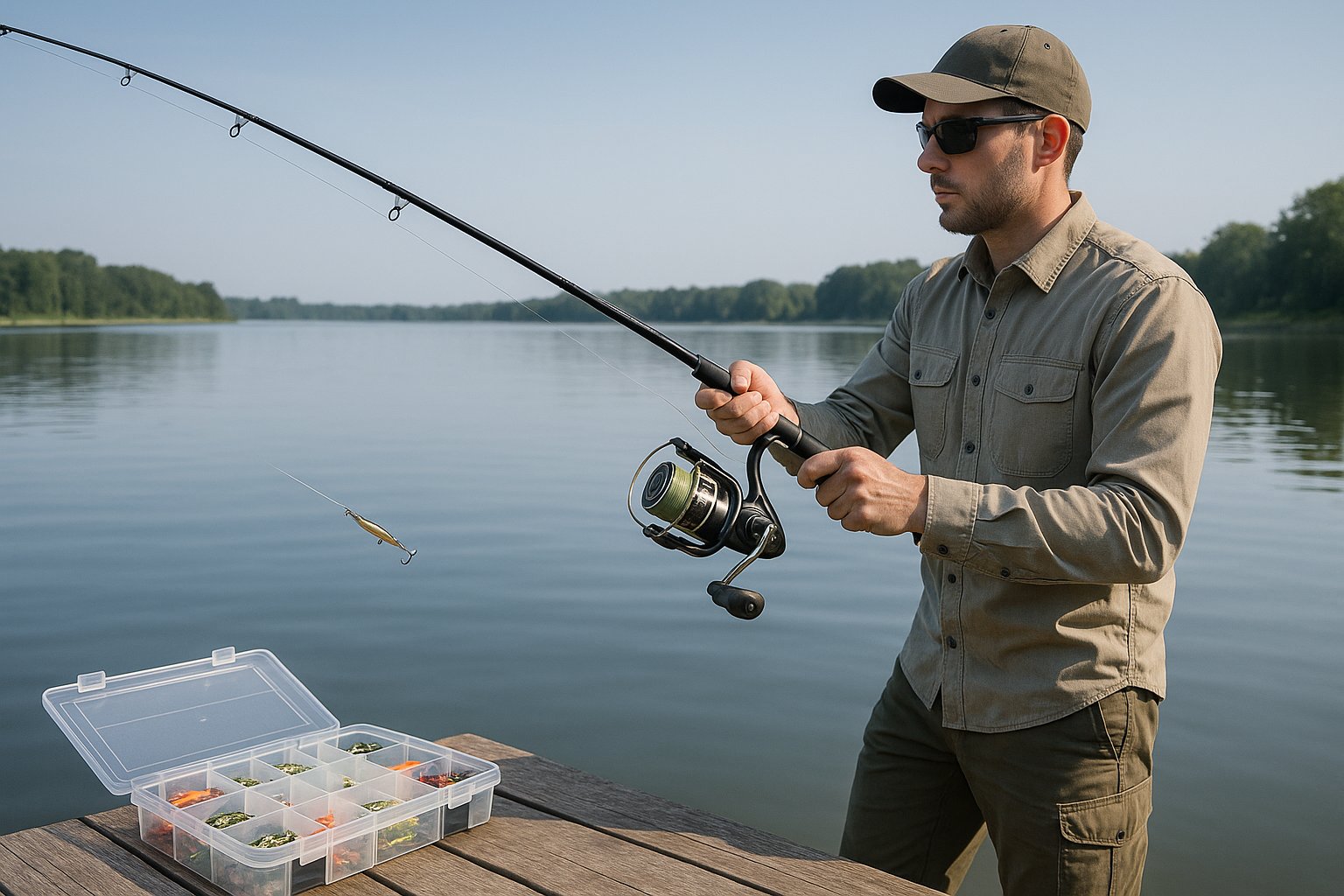
If your lure keeps landing well short of where you want it, you're not alone. Short casting distance fishing is one of the most common frustrations for anglers, especially beginners using spinning gear. And the tricky part is that poor distance usually isn't caused by one big mistake. It's often a mix of line issues, rod mismatch, timing problems, and small setup errors that quietly kill power.
The good news: most of them are easy to fix. In this guide, we'll break down the real reasons your casts are coming up short, how to spot the problem quickly, and what changes actually add distance without making your setup complicated. Whether you're dealing with casting problems spinning reel users often face or asking, why can't I cast far, we'll walk through practical answers that help us cast farther, cleaner, and with more control.
Common Reasons for Poor Casting Distance
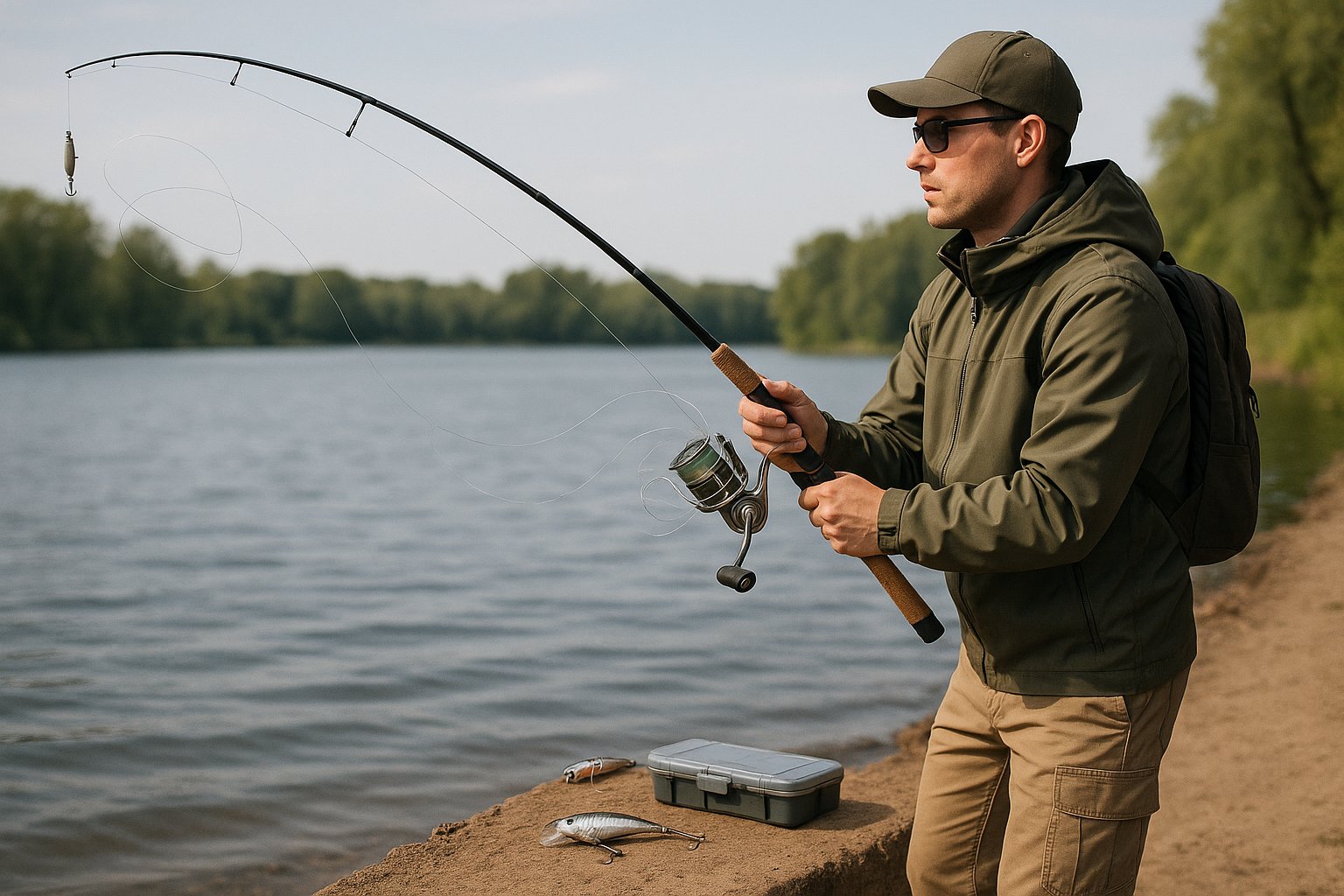
When we struggle with distance, the first step is figuring out where the loss is happening. In most cases, it comes down to friction, poor energy transfer, or a lure-and-rod combination that simply isn't loading the blank well.
A very common issue is using the wrong lure weight for the rod's rating. If the lure is too light, the rod doesn't bend enough on the backcast and forward cast. That means we're not storing and releasing much power. If it's too heavy, we lose smoothness and timing, and the cast can feel forced rather than efficient.
Another big culprit is line resistance. Old mono with lots of memory coils, line twist, wind knots, or overfilled/underfilled spools all create drag as line leaves the reel. Even a small amount of extra friction can cost noticeable distance.
We also see distance drop when the rod action and reel size don't match the job. A short ultralight rod with a tiny spool may be perfect for tight creeks, but it won't shine if we're trying to launch heavier baits across open water. On the other hand, using a heavy power rod for small finesse lures often produces weak casts because the rod barely flexes.
Environmental factors matter too:
-
Casting into a headwind shortens distance fast
-
Wet, dirty, or nicked line guides increase friction
-
Bulky knots or large leaders can slap guides on the way out
-
Improper drag or bail handling can create line twist over time
If we're thinking, why can't I cast far, it helps to separate the problem into three buckets:
-
Line leaving the spool poorly
-
Rod not loading correctly
-
Casting motion wasting energy
That simple framework makes troubleshooting much faster. Instead of blaming the reel or buying random upgrades, we can identify the exact bottleneck and fix the real cause.
Gear Setup Mistakes
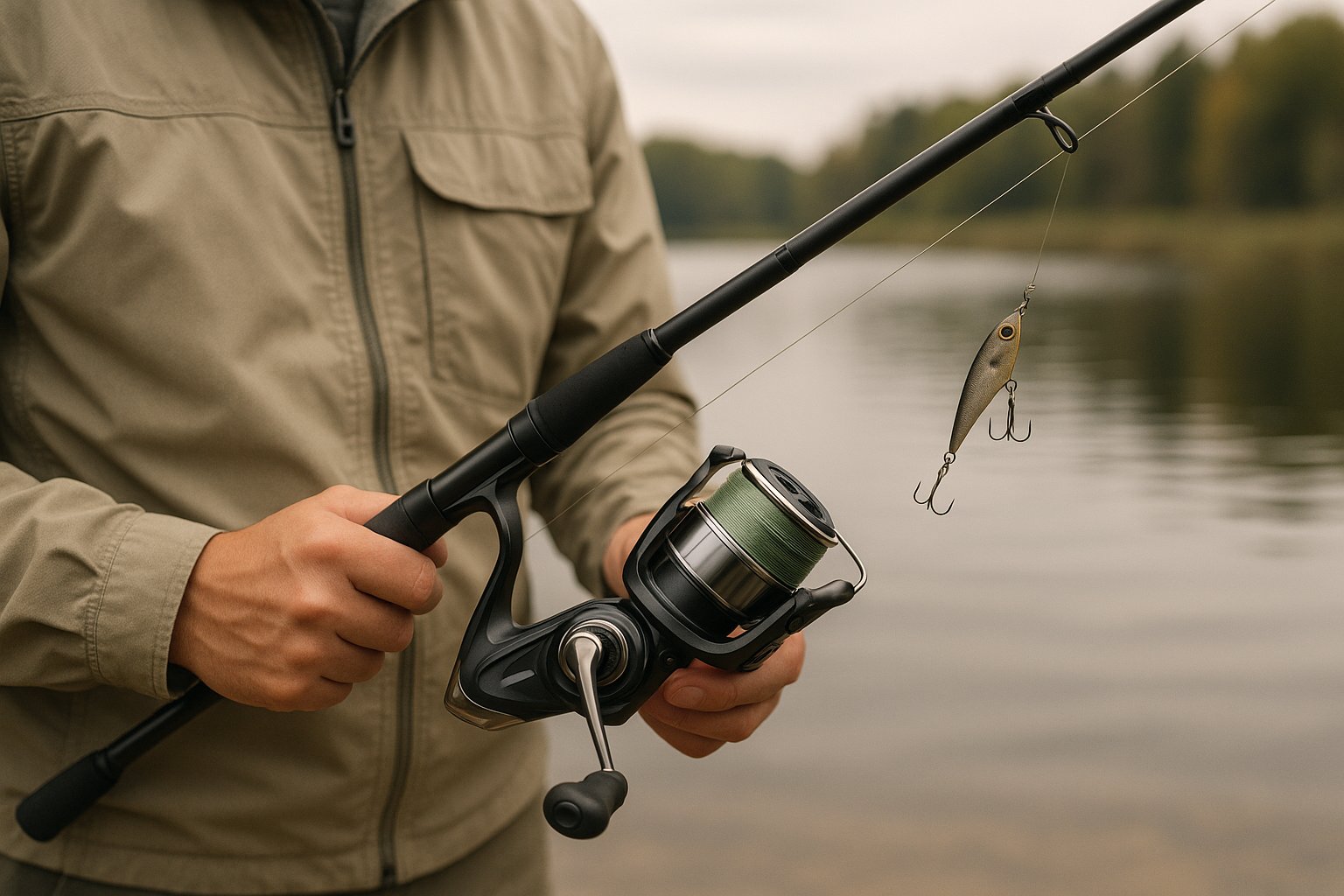
A lot of short casting distance problems start before we ever make the cast. Gear setup has a huge influence on how freely line flows and how efficiently the rod transfers energy.
One of the biggest mistakes is incorrect spool fill on a spinning reel. If the spool is underfilled, line has to fight harder to peel off in tight coils, which reduces distance. If it's overfilled, we may get loops, tangles, and uneven release. A good rule is to fill the spool close to the lip, usually about 1/8 inch below it.
Line choice problems
Line diameter matters more than many anglers realize. Thick line creates more air drag and more friction through guides. That doesn't mean we should always use ultra-thin line, but we do want the lightest practical diameter for the species, cover, and lure weight.
Common setup mistakes include:
-
Using heavy monofilament for small lures
-
Fishing with old line that has memory and coils
-
Spooling line on incorrectly, causing twist
-
Pairing braid with a poorly tied leader knot that catches guides
For many spinning setups, braid in a sensible diameter with a leader can noticeably improve distance because it leaves the spool with less memory than mono. But if the leader knot is bulky, that advantage shrinks.
Rod and reel mismatch
Not every rod-and-reel combo casts every bait well. If we use a fast, stiff rod with a lure below the rod's sweet spot, distance drops. If the reel is too small for the rod and technique, line management can suffer.
A few examples:
|
Setup issue |
What happens |
|---|---|
|
Lure too light for rod |
Rod doesn't load, weak cast |
|
Reel too small |
More line coils, reduced line flow |
|
Cheap or damaged guides |
Extra friction |
|
Short rod in open water |
Less casting leverage |
Poor maintenance
Dirty rollers, worn line rollers, cracked guides, and rough spool lips create friction. These are easy to miss because the reel may still feel usable. But small rough spots can shred smooth casting performance.
If we're dealing with casting problems spinning reel setups often have, checking the line, spool fill, guides, and lure-to-rod match solves more cases than most anglers expect.
Technique Issues Beginners Make
Even with decent gear, poor mechanics can rob a cast of distance. Beginners often assume they need to throw harder, but power without timing usually makes things worse.
The first major issue is trying to muscle the cast. On spinning tackle, distance comes from smooth acceleration, proper rod loading, and a clean release point. When we snap too hard or rush the forward stroke, the rod doesn't unload efficiently. The lure may fly high, wobble, or pull line off the spool unevenly.
Releasing at the wrong time
Release timing affects both distance and trajectory. If we let go too early, the lure launches too high and loses energy. Too late, and it drives low or off target. A good cast usually sends the lure on a controlled, slightly upward path rather than a giant rainbow arc.
Bad casting path
Another common beginner mistake is a wide, sloppy motion. The rod tip should travel on a fairly clean path. Excessive side movement wastes energy and hurts accuracy. The cleaner the rod path, the better the transfer of power from our hands to the lure.
Not using the rod load
This is a big one. We don't cast far just with our arms: we cast far by bending the rod and letting it do work. That means:
-
Starting with enough lure weight to load the blank
-
Using a smooth backcast
-
Pausing just enough to feel the lure settle
-
Accelerating forward instead of jerking
Line-control errors
Beginners also lose distance through poor line handling before the cast even starts. Closing the bail by cranking the handle can add twist over time. Leaving slack loops on the spool can lead to drag and line slap on the next cast.
A better habit is to:
-
Open the bail manually
-
Trap line cleanly with the finger
-
Make the cast with steady acceleration
-
Close the bail by hand after the lure lands
-
Tighten the line before retrieving
That routine won't just add distance. It also reduces tangles, improves lure control, and builds consistency. And consistency matters more than the occasional lucky bomb cast.
Quick Fixes That Improve Distance
If we want immediate gains, we don't need to replace everything. A few fast adjustments can make a surprising difference the same day we're on the water.
Re-spool correctly
Fresh line often gives the quickest improvement. Replace old, coiled mono or twisted line. Fill the spool properly, and make sure the line goes on under steady tension. If we use spinning gear often, this is one of the highest-value fixes available.
Match lure weight to the rod
Check the rod's printed lure rating and try to stay near the middle of that range. That's usually where the blank loads best. If a rod is rated for 1/4 to 3/4 ounce, a 3/8- or 1/2-ounce lure often casts much better than something barely above 1/4 ounce.
Clean the guides and inspect the line path
Run a cotton swab through each guide. If fibers snag, there may be a crack creating friction. Also check for grime around the line roller and spool lip. A quick clean can restore smoother line flow.
Shorten or refine the leader setup
If our leader knot is banging through the guides, reduce leader length or switch to a slimmer knot. Long, bulky connections can quietly steal distance on every cast.
Smooth out the cast
Instead of casting harder, cast cleaner:
-
Use a compact backcast
-
Let the rod load
-
Accelerate smoothly
-
Release at a consistent point
-
Follow through toward the target
This often answers the question, why can't I cast far, better than any expensive purchase.
Simple distance checklist
Before blaming the reel, we can run this quick checklist:
-
Is the spool filled correctly?
-
Is the line fresh and free of twist?
-
Is the lure heavy enough for the rod?
-
Are the guides clean and undamaged?
-
Are we casting smoothly instead of forcefully?
If all five are handled, many short casting distance fishing problems shrink fast. In real-world fishing, gaining even 10 to 15 extra feet can mean reaching a grass edge, a current seam, or a school of fish we were missing before.
Upgrading Your Setup for Better Casting
Once we've fixed the basics, smart upgrades can help us cast farther with less effort. The key is choosing upgrades that reduce friction, improve rod loading, and fit the techniques we actually use.
Start with the rod
For many anglers, the rod is the biggest performance upgrade. A longer rod generally helps with casting distance because it creates more tip speed and leverage. That doesn't mean longer is always better, but if we fish open banks, flats, or surf-adjacent areas, moving from a 6'6" rod to a 7' or 7'3" model can be noticeable.
We also want the right power and action for our lure range. A medium-light or medium rod with a fast action often works well for general spinning applications, but the best choice depends on bait size.
Consider reel spool design and size
A quality spinning reel with a well-designed spool lip and solid line management system can reduce friction during line release. Bigger isn't automatically better, but a reel that balances the rod and manages line cleanly often outcasts an undersized model.
Look for:
-
Smooth line lay
-
Reliable bail and roller design
-
Good spool lip design
-
Consistent drag and rotor balance
Upgrade line strategically
Switching from memory-heavy mono to braid can be one of the most obvious distance upgrades, especially with lighter lures. Braid's smaller diameter and lower memory help it leave the spool more efficiently. Pair it with an appropriately sized fluorocarbon or mono leader when needed for abrasion resistance or invisibility.
Don't ignore small components
Premium guides, smoother inserts, and better-maintained hardware all contribute. They won't magically add 30 yards on their own, but they can sharpen the overall system.
Best upgrade priorities
If we want the most improvement per dollar, this order makes sense:
-
Fresh, properly sized line
-
Correct rod for lure weight
-
Quality spinning reel with good line management
-
Longer rod if the fishing situation supports it
-
Guide and component quality improvements
The biggest mistake is upgrading randomly. When we focus on the real weak point, rod load, line flow, or reel management, we get measurable gains instead of just more expensive gear.
Short Casting Distance Fishing FAQs
What causes short casting distance when using spinning gear?
Short casting distance often results from a combination of factors such as incorrect lure weight for the rod, line resistance from old or twisted line, rod-reel mismatches, and poor casting technique including timing and energy transfer issues.
How does lure weight affect casting distance?
Using a lure that is too light prevents the rod from loading properly, resulting in weak casts, while a lure that's too heavy disrupts smooth timing and reduces casting efficiency. Matching lure weight to the rod's rating maximizes distance by optimizing rod flex and energy transfer.
What are simple fixes to improve casting distance immediately?
Quick improvements include re-spooling with fresh line filled correctly, matching lure weight to the rod's recommended range, cleaning line guides, using slimmer leader knots, and practicing smooth casting motions rather than forcing the cast.
Why does line type and condition matter for casting distance?
Line diameter and condition affect friction and memory; thick, old, or twisted monofilament creates drag as it leaves the spool. Switching to low-memory braided line of appropriate diameter, combined with a suitable leader, reduces friction and increases cast distance.
How can changing my rod or reel improve casting distance?
Upgrading to a rod that matches your lure weight and has a longer length and fast action can increase leverage and tip speed for farther casts. A quality spinning reel with smooth line lay, well-designed spool lip, and reliable bail system helps reduce line friction and improves line flow off the spool.
What casting techniques help avoid short casts?
Use smooth acceleration with a compact backcast, pause to let the lure settle and load the rod, release the line at the correct point to avoid high or low trajectories, and maintain a clean rod tip path to efficiently transfer energy and maximize casting distance.


