

Saltwater Fishing Reel Setup: The Smart Way to Choose, Match, and Protect Your Gear
Saltwater destroys weak reels fast. Here's how to choose a corrosion-resistant setup that lasts, whether you're fishing inshore, surf, or offshore. Plus: spinning vs. conventional, must-have features, and how to rinse the right way.
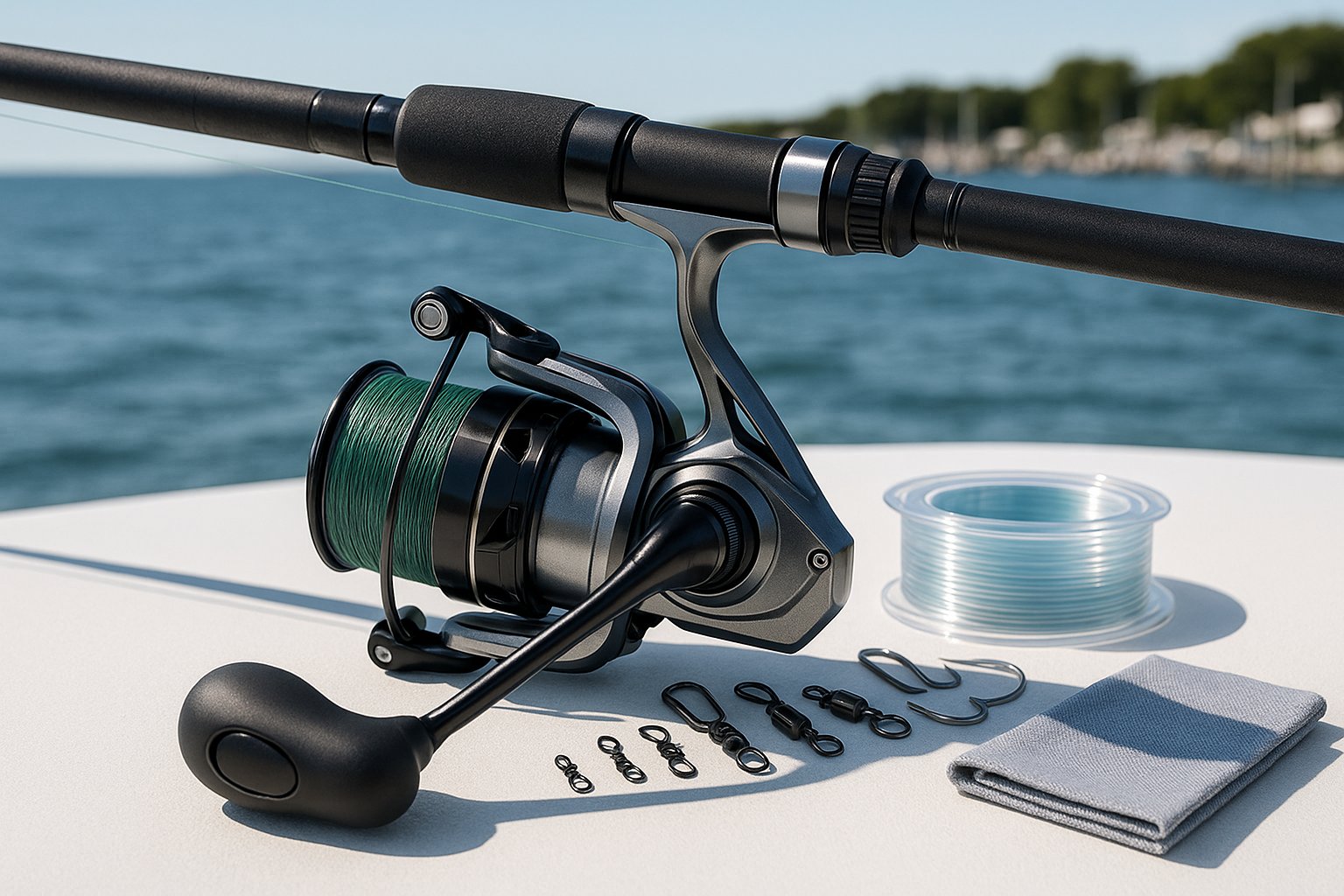
Saltwater fishing is hard on tackle. That's the blunt truth. The moment a reel gets hit with salt spray, dunked in the surf, or worked hard against a fast, powerful fish, every weak point starts to show. A setup that feels perfectly fine on a freshwater lake can wear out fast in the ocean.
That's why a proper saltwater fishing reel setup is less about hype and more about fit, durability, and maintenance. We need a reel that can handle corrosion, enough drag to stop serious fish, and a size that actually matches the rod, line, and species we're targeting. Just as important, we need to know how to protect reel from saltwater after the trip, because even the best gear won't stay smooth if we neglect it.
In this guide, we'll break down the real saltwater vs freshwater reel difference, the features that matter most, whether spinning or conventional reels make more sense, and a few dependable setup ideas for common saltwater situations.
What Makes Saltwater Fishing Different?
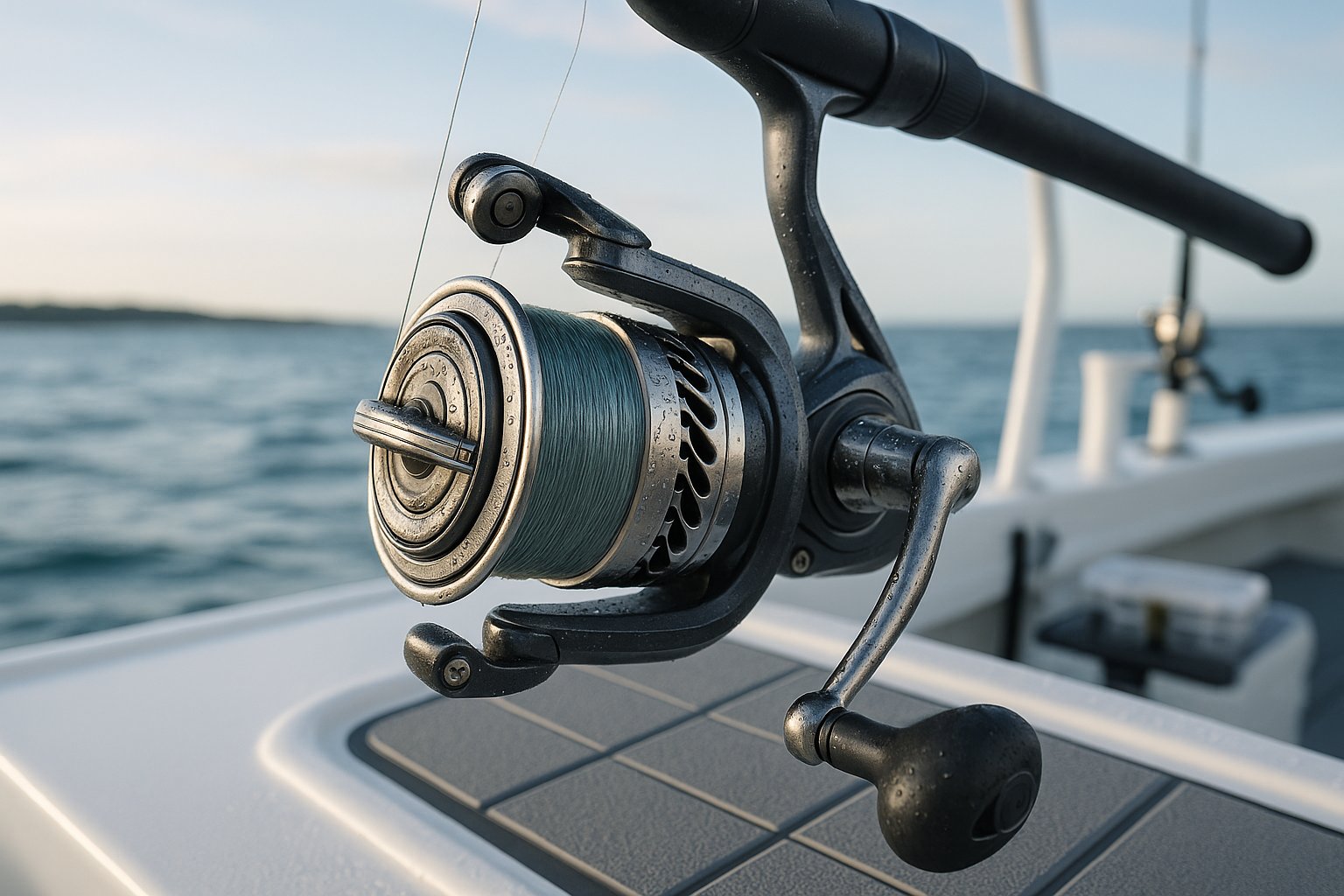
Saltwater fishing puts more stress on equipment than most freshwater fishing ever will. The obvious reason is salt itself. Salt accelerates corrosion, creeps into tight spaces, and turns small maintenance mistakes into expensive repairs. But that's only part of it.
The fish are often stronger, the runs are longer, and the environment is harsher. We're dealing with surf, wind, boat spray, sand, heat, and sometimes full submersion. Even if we never drop a reel overboard, salt mist can settle on the body, bail, handle, drag knob, and line roller. Left there, it starts working quietly.
That's the core saltwater vs freshwater reel difference: it isn't just about where we fish, but what the reel has to survive. Freshwater reels can be lightweight and refined without much sealing because they usually aren't fighting corrosion every day. A true saltwater reel is built with more protection in mind, better materials, stronger coatings, tighter tolerances, and internal parts designed to hold up under heavier loads.
There's also the fish factor. Inshore species like redfish, snook, striped bass, and bluefish can hit hard and pull line fast. Offshore species push things even further. Tuna, mahi, kingfish, amberjack, and many bottom species demand more drag pressure, more line capacity, and more frame rigidity than a casual freshwater setup.
And then there's line. Saltwater anglers often use braided line because it offers more strength per diameter and better sensitivity. That can be great, but braid also exposes weak drags and flexy reels pretty quickly. If the reel isn't built well, you'll feel it under pressure.
So when we talk about a saltwater fishing reel setup, we're really talking about a complete system that can resist corrosion, manage stronger fish, and keep working after repeated exposure to harsh conditions. That's why details that seem minor in the store, sealed drag, anodized spool, stainless bearings, body material, matter so much once we're on the water.
Key Features of a Saltwater Reel
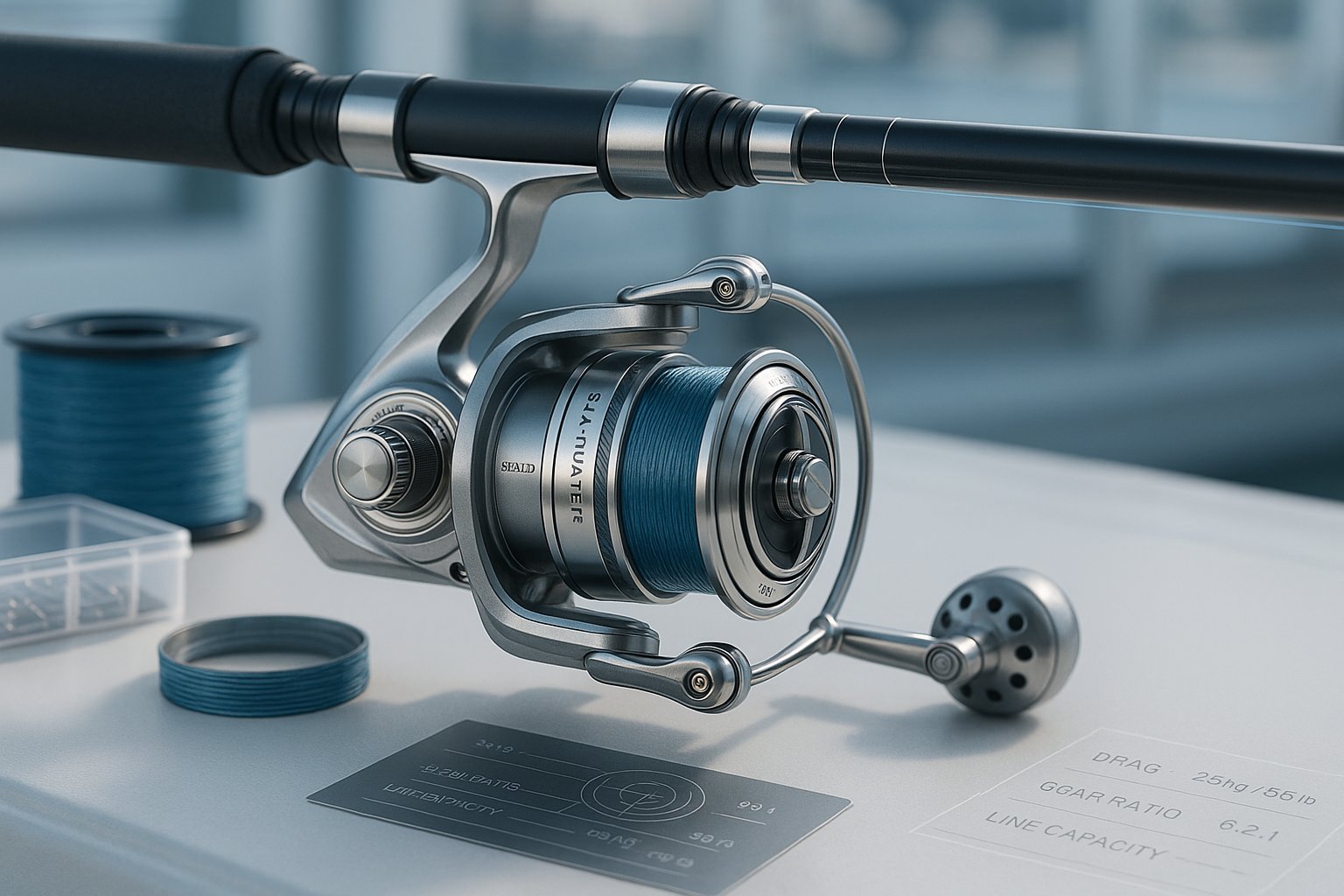
Not every reel labeled for saltwater is equally capable. Some are fine for occasional pier trips. Others are built for heavy inshore use or offshore abuse. To choose well, we need to focus on the features that actually affect performance and longevity.
Corrosion resistance
A corrosion resistant reel starts with materials. Anodized aluminum, stainless steel components, carbon fiber drag washers, and quality protective coatings all help. Graphite bodies can also work well because they don't rust, though they may flex more than metal under heavy drag. The goal isn't to find a reel that salt can never touch, because that doesn't exist. It's to find one that gives corrosion fewer places to start.
Sealed drag and protected internals
This is one of the biggest quality markers. A sealed drag helps keep out saltwater, grit, and moisture, preserving smooth pressure when a fish makes a long run. Sealed body and side plate designs add another layer of protection. If we fish from surf, kayak, or boat in rough conditions, this matters a lot.
Drag strength and smoothness
Maximum drag gets all the marketing attention, but smooth drag matters just as much. We want consistent pressure without jerking or sticking. For inshore fishing, we often don't need extreme drag numbers, but we do need reliability. For larger offshore species, both smoothness and stopping power matter.
Reel size and line capacity
A reel that's too small gets overmatched. Too large, and the setup becomes tiring and unbalanced. Inshore spinning setups commonly fall in the 2500 to 5000 range, while surf and offshore applications often move into 6000 and up. The right size depends on target species, rod power, and whether we're using braid, mono, or a topshot combination.
Gear ratio and retrieve rate
Higher gear ratios help when we need to pick up slack fast, work lures aggressively, or keep pressure on fish running toward us. Lower ratios usually provide more cranking power for heavy baits, deep jigging, or stubborn fish. There's no universal best reel for saltwater fishing here: it depends on technique.
Frame strength and rigidity
Under load, a weak frame can twist. That affects gear alignment, smoothness, and long-term durability. Aluminum frames generally offer better rigidity than graphite, especially in larger reels or high-drag applications.
Bearings, handle, and line management
More bearings don't automatically mean a better reel. We'd rather have fewer quality bearings than a big number in the box copy. A strong handle, a reliable anti-reverse system, and solid line lay are more important than flashy specs. These are the details that make a reel feel dependable after a full season, not just the first trip.
Spinning vs Conventional Reels for Saltwater
This is one of the most common questions in any saltwater gear discussion, and the honest answer is simple: both work, but they shine in different situations.
When spinning reels make more sense
Spinning reels are the easier entry point for most anglers. They cast light lures well, handle changing conditions nicely, and work across a huge range of inshore and nearshore applications. If we're throwing jigs, soft plastics, topwaters, spoons, or live bait to redfish, snook, striped bass, speckled trout, or school-size tarpon, a spinning setup is usually the practical choice.
They're also forgiving. Wind knots aside, spinning reels are easier to use than conventional reels, especially for beginners or anyone making repeated casts all day. That's why many anglers looking for the best reel for saltwater fishing start with spinning gear.
A typical inshore spinning setup might be a 3000 or 4000 size reel on a 7-foot medium or medium-heavy rod with 10- to 20-pound braid and a fluorocarbon leader. It's versatile, light enough to fish comfortably, and strong enough for a surprising range of species.
When conventional reels are the better tool
Conventional reels come into their own when power, line control, and capacity matter more than casting convenience. They excel for trolling, bottom fishing, live baiting for larger species, and heavy jigging. If we're targeting grouper, snapper in deeper water, big kingfish, tuna, or sharks, conventional gear often makes more sense.
These reels typically offer better leverage, stronger drag systems in heavy-duty applications, and more controlled line management under load. Many are also better suited for braided main line with heavy leaders or mono topshots.
Of course, they demand more skill. Casting conventional reels takes practice, and backlash is real. Not fun, either.
Which one should we choose?
If our fishing is mostly inshore, surf-adjacent, kayak-based, or built around frequent casting, a spinning reel is usually the better fit. If we fish offshore, target larger species regularly, or spend more time dropping baits than casting artificials, a conventional reel may be the stronger choice.
In other words, the better question isn't spinning vs conventional in general. It's: what techniques do we actually use most often? Build the reel setup around that answer, and the decision gets much easier.
How to Maintain Your Reel in Saltwater Conditions
Good maintenance is what separates a reel that lasts one season from one that stays reliable for years. Even an expensive saltwater reel can get rough, noisy, or corroded if we treat it casually.
Rinse the right way
One of the biggest mistakes anglers make is blasting the reel with high-pressure water. That can force salt and grit deeper into the body. Instead, use a light freshwater rinse or a gentle mist after every trip. Wipe the reel down with a soft cloth afterward.
Dry before storage
Never put a wet reel straight into a sealed bag, rod locker, or garage corner and forget about it. Moisture trapped around metal parts encourages corrosion. Let the reel air dry, then store it in a dry, ventilated place.
Clean the line roller, handle, and bail
Salt often builds up first in moving exterior parts. On spinning reels, the line roller and bail assembly deserve attention because they take constant abuse. The handle knobs and handle arm also collect salt residue. A quick wipe and periodic detailed cleaning go a long way.
Check the drag setting after trips
For many reels, it's a good idea to back off the drag slightly before storage. That reduces long-term compression on drag washers. We still want to follow the manufacturer's guidance, but as a general habit, it helps preserve drag performance.
Lubricate carefully
Use reel-specific oil and grease, and use them sparingly. More lubricant is not better. Too much attracts grit and can create a mess inside the reel. If we aren't comfortable opening the reel, basic external care plus occasional professional servicing is smarter than a DIY teardown gone wrong.
Service on a schedule
Heavy surf anglers, charter captains, and frequent boat anglers should service reels more often than casual users. A reel used weekly in saltwater conditions may need periodic internal inspection even if it still feels smooth. Corrosion often starts before performance drops noticeably.
If we're serious about how to protect reel from saltwater, the routine is straightforward:
-
Light rinse after every trip
-
Dry fully before storage
-
Wipe down exterior metal and moving parts
-
Inspect for roughness, salt buildup, or corrosion spots
-
Lubricate lightly with proper reel products
-
Schedule regular deep service based on use
That routine isn't glamorous, but it saves money and keeps gear dependable when the fish of the day finally shows up.
Recommended Saltwater Reel Setups
There isn't one universal best reel for saltwater fishing because saltwater fishing is too broad. A surf setup isn't an inshore flats setup, and neither is an offshore trolling outfit. But we can narrow things down by matching reel size and style to common use cases.
Inshore all-around setup
For redfish, speckled trout, flounder, schoolie stripers, and similar species, we usually like a 2500 to 4000 spinning reel on a 7' to 7'6" medium or medium-heavy fast-action rod. Spool it with 10- to 20-pound braid and match it with a fluorocarbon leader based on cover and species.
Why it works: this setup casts artificials well, handles live bait, and stays light enough for a full day of fishing. It's the most versatile starting point for many anglers.
Heavier inshore / light nearshore setup
For snook around structure, bull redfish, larger striped bass, bluefish, small tarpon, and nearshore species, step up to a 4000 to 5000 spinning reel on a 7' to 8' medium-heavy rod. Pair it with 20- to 30-pound braid.
This setup gives us more drag, more line capacity, and better control around bridges, jetties, and current. If we're fishing around barnacles, dock pilings, or rocks, the extra authority matters.
Surf casting setup
For surf fishing, a 5000 to 8000 spinning reel on a 9' to 11' rod is a common sweet spot, depending on bait size and casting distance needs. Line choice often falls around 20- to 40-pound braid, sometimes with mono shock leaders where needed.
The priorities here are corrosion resistance, casting performance, and enough capacity for long runs. A true corrosion resistant reel with a sealed drag is especially valuable in the surf because sand and spray are relentless.
Offshore bottom fishing or trolling setup
For reef species, grouper, snapper, amberjack, and trolling applications, we generally move to a conventional reel paired with a rod rated for the target line class. Common setups use 30- to 65-pound braid or mono, depending on technique and regulations.
This is where line capacity, cranking power, and drag consistency become non-negotiable. We want a rigid frame, dependable gears, and a drag system that stays smooth under real pressure.
Simple buying advice
If we're building one versatile saltwater setup, start with a 3000 or 4000 spinning reel from a reputable manufacturer, prioritize sealing and corrosion resistance, and match it to a medium or medium-heavy rod. That's the setup most anglers will use the most.
If we already know we'll fish surf or offshore regularly, buy specifically for that job. General-purpose gear can do a lot, but saltwater has a way of exposing compromises pretty quickly.
The smartest setup is the one that matches where we fish, what we throw, and the fish we actually hook, not the one with the flashiest spec sheet.
Saltwater Fishing Reel Setup FAQs
What key features should I look for in a saltwater fishing reel setup?
Look for corrosion-resistant materials like anodized aluminum or stainless steel, sealed drag systems, smooth and strong drag performance, appropriate reel size for your target species, and durable frame rigidity to withstand harsh saltwater conditions.
How does a saltwater fishing reel differ from a freshwater reel?
Saltwater reels are built tougher with better corrosion resistance, sealed internals, stronger drag systems, and more durable materials to handle salt corrosion, stronger fish runs, and harsher environments compared to freshwater reels.
Should I choose a spinning reel or a conventional reel for saltwater fishing?
Spinning reels are ideal for inshore and light nearshore fishing with frequent casting, while conventional reels excel in offshore fishing, heavy trolling, and bottom fishing where power, line control, and capacity are priorities.
What is the best way to maintain a saltwater fishing reel after use?
Rinse the reel gently with fresh water after each trip, avoid high-pressure sprays, dry it completely before storage, clean moving parts like line rollers and handles, lightly lubricate with reel-specific products, and schedule regular professional servicing.
What size and line capacity reel work best for surf fishing setups?
Surf fishing typically requires a 5000 to 8000 size spinning reel paired with a 9 to 11-foot rod, spooled with 20 to 40-pound braided line. This setup provides corrosion resistance, casting distance, and enough line capacity for long, powerful fish runs.
Why is drag smoothness important in a saltwater fishing reel?
Smooth drag ensures consistent pressure on the fish without jerking or sticking, which prevents line breaks and improves control during fights. It's just as important as drag strength, especially when targeting strong saltwater species.
 Featured

