

If we're putting together a rainbow trout fishing setup, we usually think about light line, small lures, subtle presentations, and tackle that protects soft mouths without giving up control. That's the practical goal: a setup that helps us cast farther, detect more bites, and land more fish.
There's one wrinkle here. The outline we're following uses spotted bass section headings, not trout headings. So rather than ignore that, we'll translate each section into what actually matters for rainbow trout anglers. We'll keep the exact structure, but focus the advice on trout tackle, trout behavior, and on-the-water decisions that improve results.
Whether we're building a beginner trout fishing setup for stocked ponds, dialing in ultralight trout fishing gear for streams, or choosing the best ultralight setup for trout for lakes and tailwaters, the core principles stay the same: keep it light, balanced, and adaptable. Let's build the kind of setup that makes rainbow trout fishing a lot more consistent.
What Makes Spotted Bass Unique
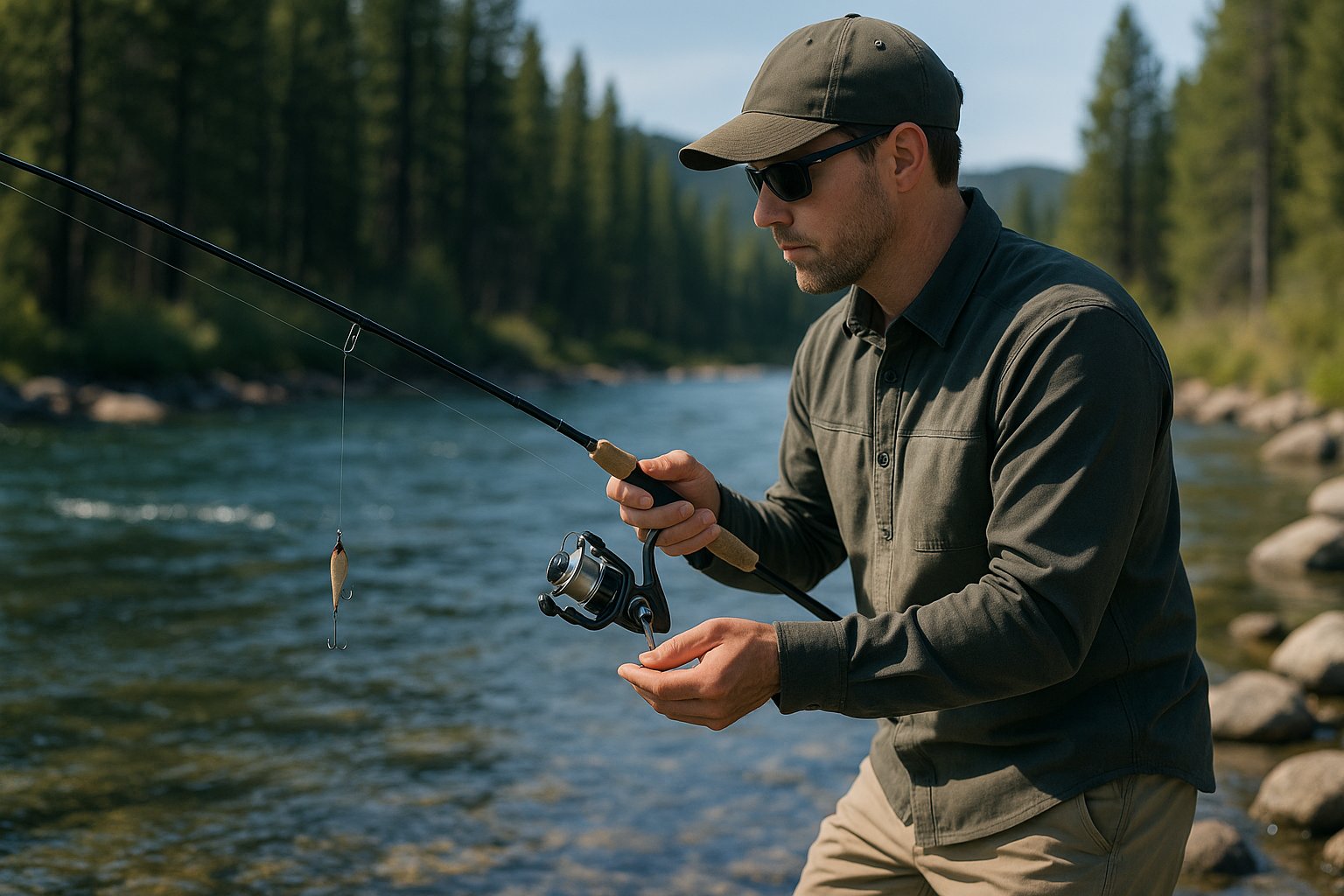
Even though this heading says spotted bass, the useful question for our purposes is: what makes rainbow trout unique, and how should that shape our setup? The answer starts with how trout feed.
Rainbow trout are visual, often cautious, and usually more line-shy than bass. They spend a lot of time keying in on small prey, midges, mayflies, caddis, eggs, tiny baitfish, worms, and aquatic insects drifting naturally in current. That means our rainbow trout fishing setup has to do three things well:
-
Present small offerings naturally
-
Protect light line
-
Detect subtle bites quickly
That's why trout anglers lean so heavily toward finesse. A setup that feels too heavy may still catch fish, sure, but it often costs us bites, especially in clear water or on pressured fisheries.
Another big difference is the trout mouth itself. Rainbow trout don't hit and clamp down the way many bass do. A lot of strikes are quick taps, soft pressure, or a sideways drift. And because their mouths are relatively soft, an overly stiff rod or too much drag pressure can pull hooks free in a hurry. We want a forgiving rod blank, a smooth drag, and enough sensitivity to notice tiny changes.
Habitat matters too. Trout live in very different environments than bass: cold streams, tailwaters, alpine lakes, stocked ponds, and deep reservoirs. In moving water, current changes everything. Lure weight, line diameter, and even hook size affect drift speed and depth. In lakes, trout may suspend, cruise shorelines, or feed deep depending on temperature and oxygen.
So when we talk about the best ultralight setup for trout, we're really talking about matching tackle to a fish that's delicate, reactive, and often suspicious. That usually points us toward lighter rods, smaller reels, thinner line, and compact terminal tackle. It also means we need more restraint. Trout often reward the angler who does less, less splash, less line, less hardware, less force.
That's the foundation. Once we understand that rainbow trout demand precision more than power, the rest of the setup gets much easier to choose.
Ideal Rod, Reel, and Line Setup
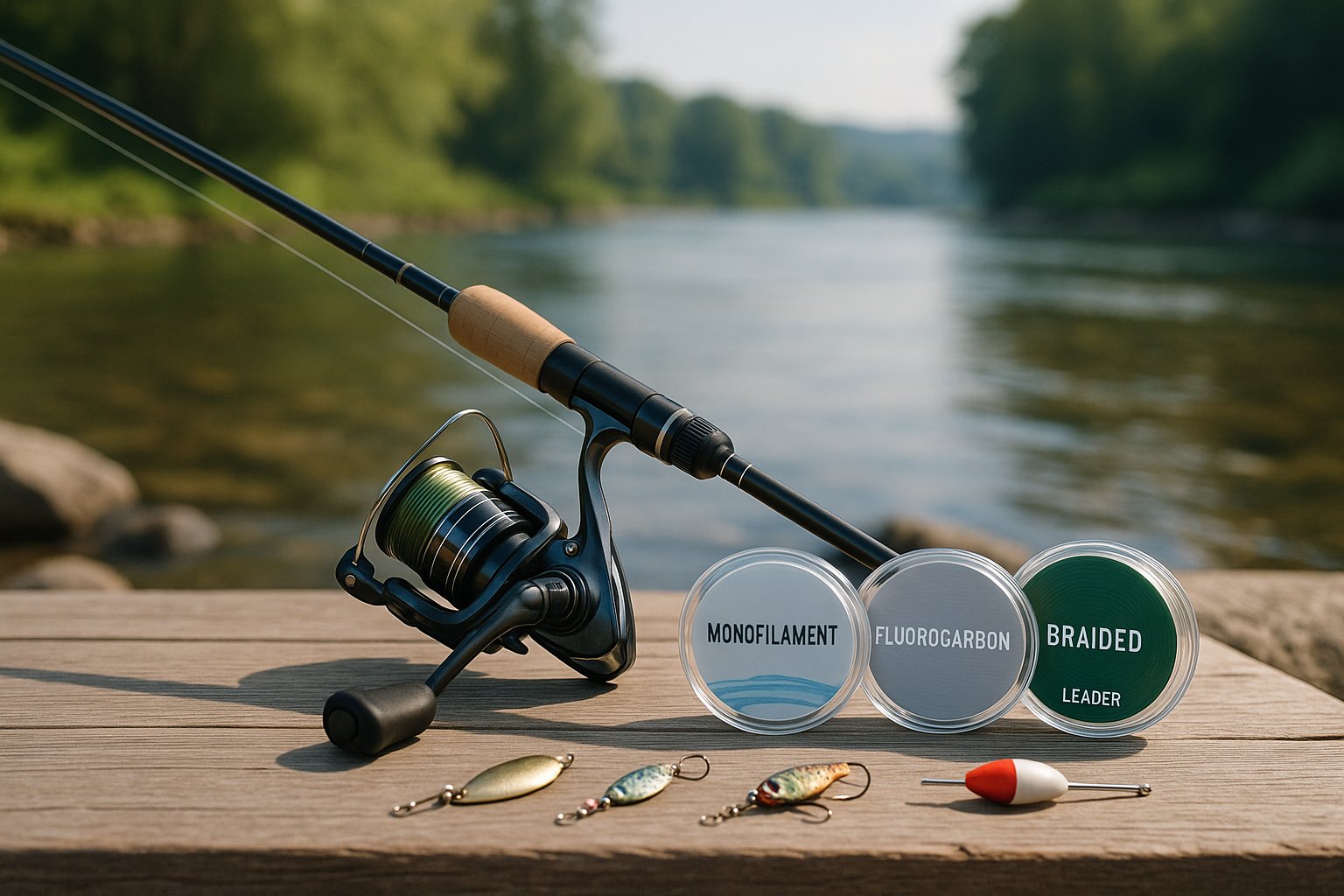
A solid rainbow trout fishing setup starts with balance. We don't just want light tackle for the sake of it: we want a rod, reel, and line system that works together for the places we fish most.
For most anglers, a 6' to 7' ultralight or light power spinning rod is the sweet spot. Ultralight shines when we're casting tiny spinners, trout magnets, micro spoons, dough bait, or small floats. It loads easily, throws light offerings better, and gives us excellent bite detection. A light power rod is a better all-around choice if we fish larger rivers, bigger trout, or heavier inline spinners and small crankbaits.
Action matters just as much as power. A fast or moderate-fast action is usually ideal. Fast action helps with sensitivity and cleaner casts with small lures. Moderate-fast gives a little more cushion during the fight, which can be a real advantage with treble-hook baits or barbless hooks.
For the reel, a 1000 or 2000 size spinning reel covers nearly everything. A 1000 is perfect for pure finesse and stream work. A 2000 gives us slightly better line management and retrieval without feeling bulky. More important than size is drag quality. Trout make quick runs, and cheap reels tend to surge under pressure. A smooth drag saves light leaders and helps land fish cleanly.
Line choice depends on technique:
-
2- to 6-pound monofilament is beginner-friendly, forgiving, and excellent for bait fishing or small spinners.
-
4- to 6-pound fluorocarbon offers low visibility and good sensitivity, especially in clear water.
-
6- to 10-pound braid with a 2- to 6-pound fluoro leader gives us long casts and superb bite detection, though it requires more attention to knots and drag settings.
If we're recommending a beginner trout fishing setup, a 6'6" ultralight spinning rod, 1000 reel, and 4-pound mono is hard to beat. It's simple, affordable, and versatile.
If we want the best ultralight setup for trout for experienced finesse fishing, we'd lean toward a 6'8" to 7' rod, 1000/2000 reel, 8-pound braid main line, and a 4-pound fluorocarbon leader. That combo casts tiny lures exceptionally well and keeps us connected.
Practical setup by fishing scenario
Small streams:
Use a shorter rod, around 5'6" to 6'3". Tight cover and short drifts favor compact gear.
Rivers and tailwaters:
A 6'6" to 7' rod gives better line control and casting distance.
Ponds and lakes:
A 7' ultralight spinning setup helps launch lightweight lures farther, which matters when trout cruise beyond the bank.
In short, the right rod, reel, and line setup should feel easy in hand. If the tackle disappears and lets us focus on presentation, we're probably close to the ideal build.
Best Techniques for Spotted Bass
Translated for trout, this section is really about the best techniques for catching rainbow trout with the setup we just built. And the truth is, even a perfect rod and reel won't help much if our presentation is wrong.
One of the most reliable trout techniques is the inline spinner retrieve. We cast slightly across current or into likely holding water, let the lure sink just enough, then retrieve slowly enough to keep the blade turning. Rainbow trout often hit as the spinner swings or flutters near current seams. Light tackle is a huge advantage here because it keeps the lure working naturally instead of bulldozing through the water.
Another excellent option is the micro spoon. Spoons are especially effective in ponds, small lakes, and stocked waters where trout key on flash. The trick is not to overwork them. A steady retrieve with brief pauses often beats a fast burn. On an ultralight rod, even a tiny spoon feels alive.
For bait anglers, a sliding sinker or split-shot rig with floating dough bait, worm, or salmon egg remains highly effective. We want just enough weight to cast and maintain contact. Too much weight kills sensitivity and makes the rig look unnatural. In lakes, suspending bait beneath a float lets us target cruising fish at a controlled depth, which is often smarter than guessing on the bottom.
In moving water, drift fishing is one of the most natural presentations we can use. Whether it's a worm piece, egg, bead, or soft plastic, the goal is simple: let the offering move with the current at the same speed as the water around it. If it drags, swings oddly, or races, trout notice.
Retrieval and hookset adjustments
Trout rarely need a dramatic hookset. In fact, a hard swing is a common mistake with ultralight trout fishing gear. A controlled lift or firm reel-set is usually enough, especially with small single hooks. With treble hooks, even less is more.
A few technique rules consistently help:
-
Slow down when the water is cold or clear
-
Downsize if fish follow but won't commit
-
Change depth before changing spots
-
Use current seams, undercut banks, and shade lines as high-percentage targets
And one more thing: line watching matters. Many trout bites don't feel like much. The line twitches, stops early, or moves sideways. If we wait for a hard thump, we'll miss fish.
The best trout anglers are usually the ones who stay subtle. Better drifts, quieter presentations, lighter terminal tackle, that's where the real edge comes from.
Seasonal Adjustments
A good rainbow trout fishing setup isn't static. It should change with water temperature, fish location, and seasonal feeding patterns. Trout can behave like completely different fish from one season to the next.
Spring
Spring is prime time in many places. Water is cool, oxygen is high, and trout often feed aggressively. This is a great season for spinners, spoons, small minnow baits, and drifting natural offerings. We can usually get away with slightly more movement and a somewhat faster retrieve.
A 4-pound leader is often fine in spring unless the water is exceptionally clear. Trout roam more during this period, so we should cover water and test different depths.
Summer
Summer gets tricky. In streams, trout slide into deeper runs, pocket water, riffle edges, and shaded cover. In lakes and reservoirs, they often move deeper in search of cooler, oxygen-rich water. This is when lighter line and finesse presentations really matter.
We'll often do better with early morning and late evening sessions. If the fish are pressured, dropping from 4-pound to 2- or 3-pound leader can make a noticeable difference. Float rigs, slow-drifted bait, and tiny lures tend to outperform louder presentations.
Fall
Fall can be excellent because cooling water reactivates fish. Trout often feed heavily before winter, and they may chase moving baits more willingly. This is a strong time for inline spinners, jerked micro plugs, and small swimbaits.
We can also consider slightly upsizing our presentation if local trout are feeding on small baitfish. A light-power rod may become more useful than a true ultralight in some larger waters.
Winter
Winter fishing rewards patience. Trout usually won't move far to eat, so our setup and presentation need to become even more precise. Think tiny baits, slower drifts, lighter terminal tackle, and longer pauses.
This is where a beginner trout fishing setup can feel limiting if it's too heavy or too fast. Subtle gear helps. Thin leaders, compact hooks, and an easy drag setting matter more than ever.
Seasonal setup tweaks that actually matter
Rather than rebuilding everything each season, we can make a few smart adjustments:
-
Switch leader size based on water clarity and pressure
-
Carry both spinners and slower finesse options
-
Use longer rods in open water, shorter rods in tight cover
-
Adjust lure weight to match current speed and fish depth
-
Loosen drag in cold water when trout tend to swipe lightly and fight unpredictably
That flexibility is what turns a decent setup into a dependable one. The gear itself may stay mostly the same, but how we tune it through the year makes a real difference.
Recommended Gear Setup for Better Results
If we want a practical shopping list for a better rainbow trout fishing setup, here's the version that covers the widest range of situations without getting overly complicated.
Best all-around trout setup
-
Rod: 6'6" to 7' ultralight spinning rod, fast or moderate-fast action
-
Reel: 1000 or 2000 size spinning reel with a smooth drag
-
Main line: 6- to 8-pound braid or 4-pound mono
-
Leader: 2- to 4-pound fluorocarbon
-
Terminal tackle: Size 6 to 12 hooks, small swivels, split shot, slip floats
This is the setup we'd recommend to most anglers because it handles stocked trout, stream fish, and many stillwater situations with minimal fuss.
Best beginner trout fishing setup
If we're keeping things simple, start here:
-
6'6" ultralight rod
-
1000 spinning reel
-
4-pound monofilament
-
Small assortment of inline spinners, salmon eggs, split shot, and floats
This rig is easy to use, inexpensive, and forgiving. Mono also helps beginners because it's less prone to wind knots than braid and has enough stretch to reduce pulled hooks.
Best ultralight setup for trout finesse fishing
For anglers who want maximum sensitivity and casting performance:
-
6'8" to 7' light or ultralight rod
-
Quality 1000 reel with refined drag
-
8-pound braid main line
-
3- or 4-pound fluorocarbon leader
-
Micro spoons, trout worms, mini jigs, small jerkbaits
That's a true ultralight trout fishing gear approach. It's excellent in clear water and highly effective when fish are pressured.
Extra gear that improves results more than people expect
A few add-ons are worth carrying every trip:
-
Polarized sunglasses for spotting fish and reading current
-
A rubber landing net to reduce harm and lost fish at boatside
-
Forceps or pliers for quick hook removal
-
A small tackle pouch instead of a bulky box
-
Leader material in multiple diameters for quick adjustments
We should also mention lure size discipline. Many anglers sabotage a good trout setup by tying on lures that are simply too large. In a lot of trout water, small wins. A 1/16-ounce spinner may outfish a 1/4-ounce lure all day.
The main goal isn't owning the most gear. It's building a setup that matches trout behavior and lets us stay versatile. If our rod casts light lures cleanly, our reel protects light line, and our presentation stays natural, we're in very good shape.
A dependable trout setup doesn't need to be fancy. It just needs to be balanced, light, and tuned to the way rainbow trout actually feed.
When we keep that in mind, better results usually follow, and pretty quickly.
Rainbow Trout Fishing Setup FAQs
What is the ideal rod and reel setup for rainbow trout fishing?
A 6' to 7' ultralight or light power spinning rod paired with a 1000 or 2000 size spinning reel featuring a smooth drag system is ideal for rainbow trout, providing the right balance of sensitivity, casting distance, and control for small lures.
How should line choice vary in a rainbow trout fishing setup?
For rainbow trout, 2-6 pound monofilament is great for beginners and bait fishing, 4-6 pound fluorocarbon offers low visibility in clear water, and 6-10 pound braided line with a lighter fluorocarbon leader delivers better casting and bite detection for finesse fishing.
Why is finesse important in a rainbow trout fishing setup?
Rainbow trout are cautious and line-shy, often feeding on small prey and drifting insects. A finesse setup with light tackle, subtle presentations, and sensitive gear helps present small offerings naturally, protects light line, and detects subtle bites effectively.
What are the best techniques for catching rainbow trout using an ultralight setup?
Effective techniques include slow, natural retrieves of inline spinners near current seams, steady retrieves with brief pauses on micro spoons, and drift fishing live bait such as worms or salmon eggs to mimic natural prey movement in the current.
How does seasonal change affect rainbow trout fishing setups?
Seasonal adjustments include using lighter line and more finesse in summer when trout seek cooler deeper water, faster retrieves with slightly heavier leaders in spring and fall when trout feed aggressively, and slower, more precise presentations with thinner leaders in winter.
What extra gear can improve success when fishing for rainbow trout?
Polarized sunglasses aid in spotting fish and reading water; a rubber landing net reduces fish harm; forceps or pliers assist with quick hook removal; a small tackle pouch keeps gear organized; and carrying multiple leader diameters allows quick adjustments to conditions.


