

Picking the Right Reel for Light Lures: What Actually Works for Finesse Fishing in 2026
Light lures expose weak reels fast. Casting distance drops, line twists build, and small flaws get magnified. In this guide, learn which reel features actually matter for finesse fishing: lightweight spools, smooth drag, and proper line management. Plus spinning vs. baitcaster and how to build a setup that works.
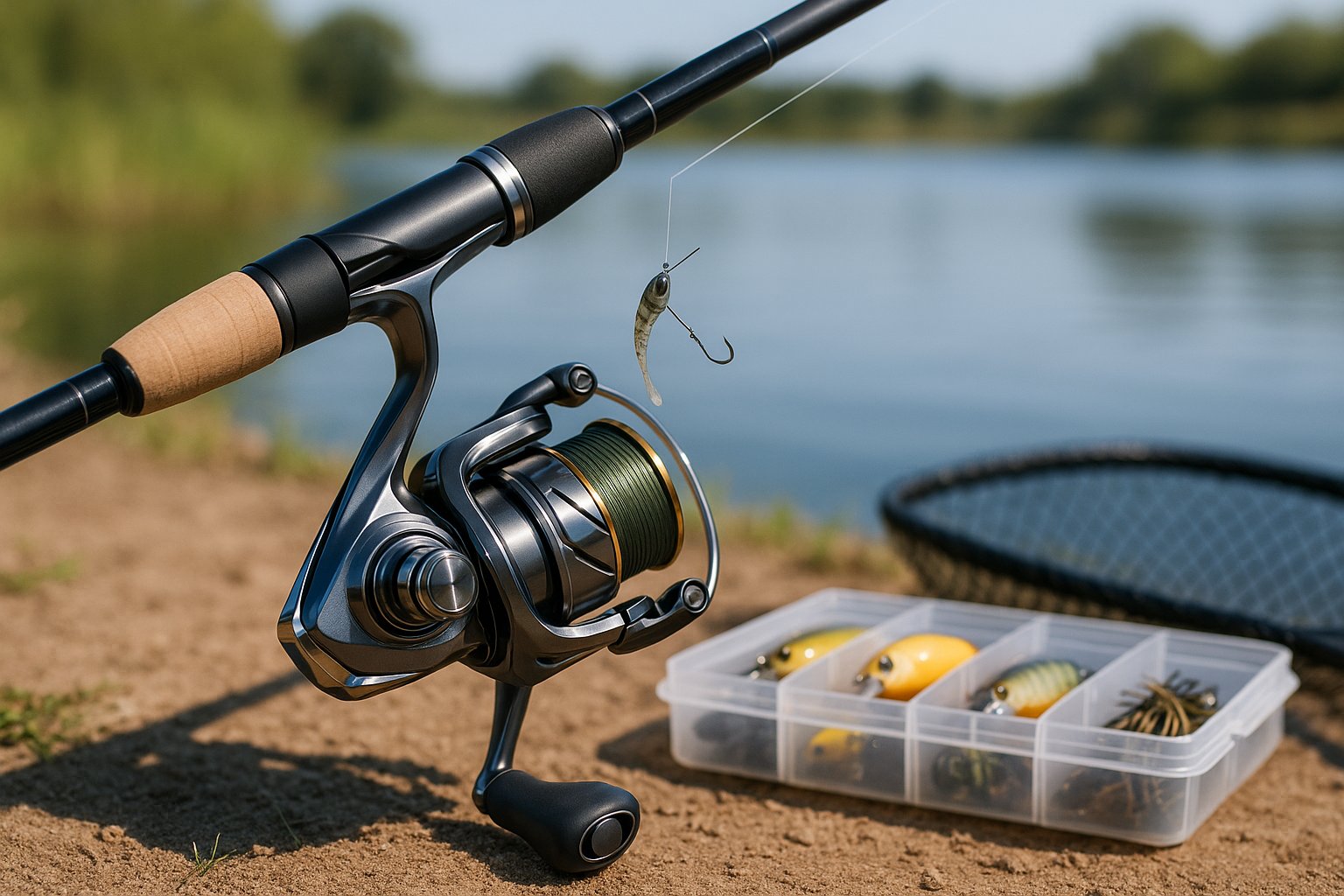
Fishing light lures looks simple from the outside. Tie on a small bait, make a cast, and let the fish do the rest, right? Not quite. Once we drop down in lure weight, tiny mismatches in our setup start showing up fast. A reel that feels fine with a 1/2-ounce lure can suddenly struggle with a 1/16-ounce jig. Casting distance disappears, line twists build, drag performance matters more, and every little mechanical flaw gets magnified.
That's why choosing the right reel for light lures isn't really about chasing hype or buying the most expensive model on the shelf. It's about balance. We need a reel that starts smoothly, manages thin line well, and pairs properly with the rod and presentation we're using. In this guide, we'll break down the common problems anglers run into, the reel features that matter most, whether spinning or baitcasting makes more sense, and how to build a finesse setup that actually performs on the water.
Challenges of Fishing with Light Lures
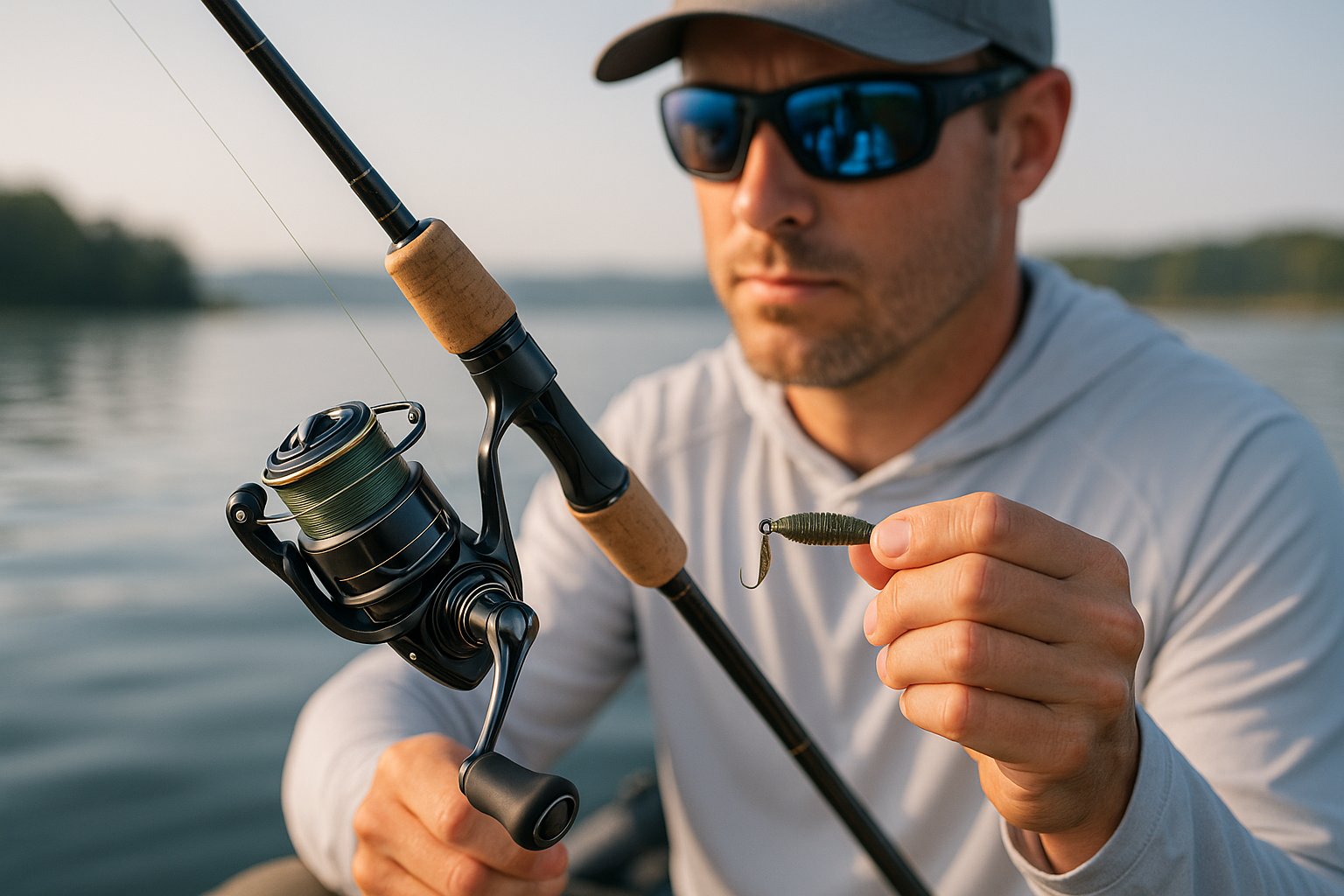
Light-lure fishing rewards precision, but it also exposes weaknesses in gear faster than almost any other style. When we're throwing micro swimbaits, small jerkbaits, ned rigs, trout magnets, or weightless soft plastics, we're asking the reel to do a lot with very little mass.
The first challenge is casting efficiency. Heavier lures naturally load the rod and carry momentum through the cast. Light lures don't. If the reel spool is too heavy, startup inertia becomes a real problem. In plain English: the lure doesn't have enough force to get everything moving smoothly. The result is short casts, inconsistent flight, and a setup that feels "sticky."
Then there's line management. Light lures are often paired with thin braid, light fluorocarbon, or fine mono. Those lines are more prone to wind knots on spinning gear and more prone to digging in or behaving erratically when the reel isn't designed well. A poor line lay pattern can turn a good morning into an hour of fixing loops and muttering under our breath.
Drag performance matters more, too. With finesse fishing, we usually aren't overpowering fish. We're protecting light leaders, small hooks, and softer rod actions. A jerky drag that might go unnoticed in heavier bass fishing becomes a liability when a good fish surges boatside on 4- or 6-pound test.
Sensitivity is another overlooked issue. The reel doesn't create sensitivity by itself, but it affects how connected the setup feels. Excessive flex, rough gearing, or poor balance can make subtle bites harder to detect. And with light lures, subtle is the whole game.
Finally, there's the matter of species and conditions. A reel for light lures used in a mountain stream for trout may not be ideal for open-water smallmouth, crappie, or inshore finesse applications. Wind, current, and lure style all change the demands. That's why there's no single perfect answer, only the best match for how we fish.
A good finesse setup should make light lures feel easy, not fragile. If it feels like we're constantly fighting the reel, the problem usually isn't our technique alone. It's that the reel wasn't truly built for the job.
Key Features to Look for in a Reel
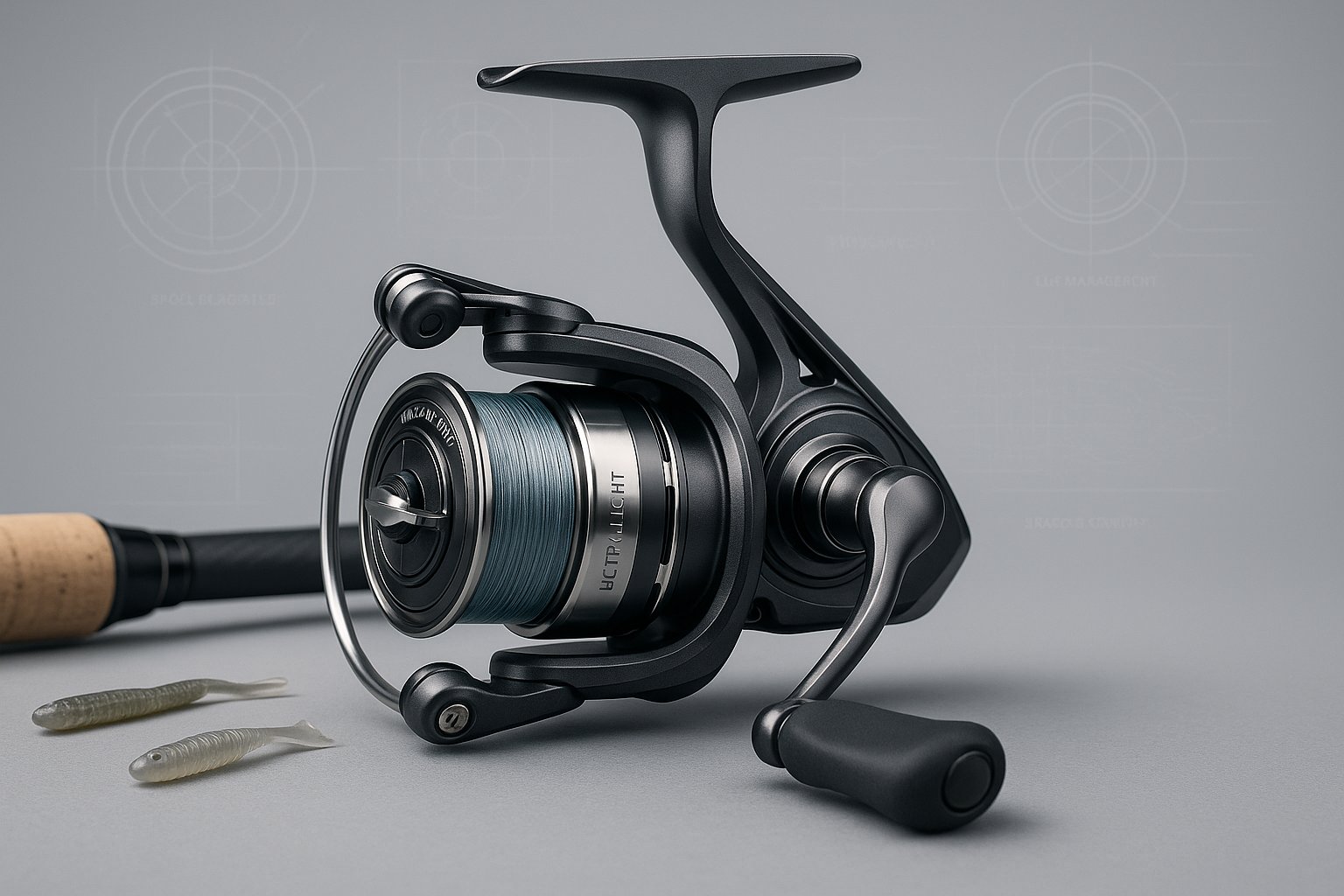
If we want the best reel for finesse fishing, we need to look past marketing labels and focus on the features that affect real-world performance.
First up is spool design and weight. This is huge. A shallow, lightweight spool generally performs better with light lures because it takes less force to start spinning. That means better casting with smaller baits and less effort overall. On spinning reels, shallow spools can also improve line control with thin braid and light leaders.
Next is smooth drag. For finesse work, we want drag startup to be clean and predictable, not sticky. Carbon drag systems tend to perform well, especially when they're properly sealed or built with good tolerances. The drag doesn't need to be absurdly powerful: it needs to be refined.
Gear smoothness and rigidity matter more than many anglers think. When a reel body flexes under load, gear alignment suffers. That can make even a reel that feels buttery in the shop feel less precise on the water. Aluminum, magnesium, or well-engineered carbon composite bodies usually hold up better than cheaper, softer constructions.
Then we have line management systems. On spinning reels, we should pay attention to spool lip design, oscillation pattern, and roller quality. These features influence how line comes off the spool and how well it lays back on. On baitcasters, braking systems become critical. Adjustable magnetic or hybrid braking helps us dial in lightweight presentations without turning every cast into a backlash drill.
Handle and rotor balance are smaller details, but they matter. A reel used all day for finesse presentations should feel controlled and connected, not tip-heavy or geary. We're often making repetitive casts and retrieving slowly, so comfort counts.
Size is another key factor. For most freshwater finesse applications, a spinning reel in the 1000 to 2500 range is the sweet spot, depending on brand sizing. Go too large and we add unnecessary weight. Too small, and line capacity or retrieval efficiency may suffer. For bait finesse systems, compact low-profile reels with purpose-built shallow spools are usually the answer.
One more thing: don't ignore reel quality at low resistance. Some reels feel fine when cranked under moderate load but feel rough or uneven at finesse retrieve speeds. Since many light-lure presentations involve slow, controlled movement, that low-load refinement is important.
In short, the right ultralight fishing reel or finesse reel should start easily, manage thin line cleanly, protect light line with a smooth drag, and stay balanced in hand. Fancy extras are nice. Those core traits are what actually help us catch more fish.
Spinning vs Baitcaster for Light Lures
For most anglers, this is the big question: should we use a spinning reel or a baitcaster for light lures?
For sheer ease and versatility, spinning reels usually win. They handle light baits with less drama, especially in the 1/32- to 1/8-ounce range. Because the line uncoils off a fixed spool instead of forcing a spool to spin during the cast, spinning gear naturally deals better with low-mass lures. That's why spinning setups remain the default recommendation for many finesse techniques.
If we're throwing drop shots, ned rigs, hair jigs, small tubes, tiny inline spinners, or lightweight soft plastics, spinning gear is the safer and simpler choice. It casts farther with less tuning, handles light line well, and has a much lower learning curve.
But baitcasters shouldn't be dismissed. Over the last several years, BFS reels, bait finesse system reels, have made light-lure casting far more realistic. A true finesse baitcaster uses a shallow, lightweight spool and refined braking to cast lures that standard baitcasters struggle with. For anglers who like thumbing a spool, making pinpoint casts, or skipping under cover, BFS can be incredibly fun and effective.
That said, bait finesse still has limits. It tends to demand more setup precision, better technique, and often a higher budget if we want consistent performance with very light lures. A cheap baitcaster marketed as "finesse-ready" usually won't outperform a solid spinning reel at the lightest end of the spectrum. That's just reality.
There's also a line consideration. Spinning reels are generally more forgiving with lighter line diameters. Baitcasters, even finesse models, can be more sensitive to spool fill, line type, and braking adjustments. If we enjoy tinkering, that's part of the appeal. If we just want a setup that works every time, spinning often feels easier.
Here's the practical breakdown:
-
Choose spinning if we're new to finesse fishing, throwing very light lures, fishing in wind often, or using thin braid-to-leader setups.
-
Choose bait finesse if we value casting control, target accuracy, and already have the skill, or patience, to tune a reel carefully.
For many anglers, the true answer isn't either/or. It's both. A spinning setup covers the broadest range of finesse techniques, while a BFS baitcaster shines in niche situations where control matters more than absolute simplicity.
If we're trying to find the single best reel for light lures, spinning is still the most dependable all-around answer. If we're trying to build a specialized system for fun, precision, and technique, a well-matched BFS reel earns a serious look.
Ideal Line and Rod Pairing
Even the best reel can't save a poorly matched setup. When we fish light lures, the reel, rod, and line need to work as a system. If one piece is off, the whole combo feels awkward.
Let's start with line. For many finesse applications, thin braid with a fluorocarbon leader is the most versatile option. Something in the 5- to 10-pound braid range, paired with a 4- to 8-pound leader, gives us excellent casting distance, strong hook-setting control, and good sensitivity. Braid also behaves well on spinning reels because its smaller diameter helps small lures cast more easily.
That said, straight fluorocarbon or monofilament still makes sense in some scenarios. Trout anglers often prefer light mono for its forgiveness and natural presentation. Some bass anglers like straight fluoro for sinking lure control. We just need to remember that memory becomes more noticeable as line diameter and spool mismatch increase, especially on spinning gear.
Rod choice is just as important. A light or medium-light power rod with a fast or extra-fast action is the usual sweet spot for finesse fishing, but not always. Treble-hook light lures, like small crankbaits or jerkbaits, often do better with a more moderate action to keep fish pinned. Soft-plastic finesse techniques usually benefit from a crisper tip and stronger backbone than people expect.
Length matters, too. A rod around 6'8" to 7'2" gives a strong balance of casting distance, control, and hook-setting efficiency for general finesse use. Shorter rods can be great in tight creeks or around overhangs. Longer rods help with line pickup and longer casts in open water.
The reel size should complement that rod. A 1000-size spinning reel can feel excellent on a true ultralight or trout rod. A 2000 or 2500 often balances better on bass-oriented medium-light rods. What we're after is a setup that feels neutral in hand, not tip-heavy and not clunky.
For bait finesse gear, the pairing gets more specialized. We want a BFS reel on a rod specifically rated for very light lure weights, often with a responsive tip that loads easily. Put that reel on a rod that's too stiff, and the whole point of finesse casting gets lost.
A simple pairing framework looks like this:
-
Ultralight trout/panfish: 1000-size spinning reel, 2- to 6-pound line, ultralight rod
-
General bass finesse: 2000–2500 spinning reel, 8-pound braid to 6-pound leader, medium-light fast rod
-
BFS casting setup: shallow-spool baitcaster, light braid or finesse fluoro, dedicated light-power casting rod
This is where many anglers either unlock performance or accidentally cap it. A well-matched line and rod pairing lets the reel do what it was built to do. And suddenly, those tiny lures don't feel tiny anymore, they feel precise.
Recommended Reel Types for Finesse Fishing
Instead of naming random models for every budget, it's usually more useful to think in categories. The right reel type depends on what kind of finesse fishing we actually do.
The first and most universal category is the 1000 to 2500-size spinning reel with a shallow or finesse-friendly spool. For a huge number of anglers, this is the best reel for finesse fishing, full stop. It handles small soft plastics, trout lures, crappie jigs, drop shots, and lightweight hard baits with minimal fuss. If we want one setup that covers the most situations, this is it.
Next is the true ultralight fishing reel. These reels are especially useful for panfish, creek trout, stocked trout, and tiny presentations where sensitivity and casting ease matter more than brute strength. The better ones excel with very light mono or fine braid and pair beautifully with ultralight rods. If our lures routinely fall into the micro range, a dedicated ultralight reel is worth having.
Then there's the 2500-size finesse spinning reel for bass and multi-species use. This is the workhorse category. It offers enough line capacity for braid-to-leader setups, enough drag refinement for light-line fights, and enough versatility to fish from shore, kayak, or boat. For many of us, this ends up being the everyday answer because it balances finesse with practical range.
The fourth category is the BFS baitcaster. This is the specialist's tool. A proper bait finesse reel shines when we want casting accuracy with lightweight lures, especially around docks, laydowns, creek banks, and other target-rich environments. It's not the easiest entry point, but it can be the most satisfying if we enjoy a highly tuned setup.
There's also a category worth mentioning carefully: the budget finesse reel. Budget gear has improved a lot, but the gap still shows up faster in finesse fishing than in heavier techniques. When tolerances are loose, drags are inconsistent, or spool design is crude, light-lure performance suffers. We don't always need top-shelf gear, but this is one area where buying too cheap can cost us more in frustration than we save at checkout.
So what should we choose?
-
For beginners: a quality 2000 or 2500 spinning reel
-
For trout, panfish, and micro baits: a true ultralight spinning reel
-
For bass finesse all-around use: a refined 2500-size spinning reel
-
For advanced, target-oriented casting: a BFS baitcaster
If we're building from scratch, we'd still start with spinning. It's more forgiving, more adaptable, and usually the better all-around reel for light lures. Then, if finesse fishing becomes a real obsession, and it often does, we can add a specialized BFS setup later.
The good news is that modern reels are far better than they used to be. The bad news? Once we fish a really dialed-in finesse setup, it gets hard to go back.
Frequently Asked Questions about Reels for Light Lures
What makes a reel suitable for fishing with light lures?
A good reel for light lures features a lightweight, shallow spool for easy startup, smooth and predictable drag, excellent line management for thin lines, and balanced construction to enhance sensitivity and casting precision.
Should I use a spinning reel or a baitcaster for light lure fishing?
Spinning reels are generally better for light lures due to easier casting and line management, especially for beginners. Bait finesse (BFS) baitcasters excel in casting accuracy and control but require more skill and setup precision.
What reel size is ideal for finesse fishing with light lures?
Spinning reels sized between 1000 and 2500 are ideal. Smaller sizes suit ultralight or trout fishing, while 2000–2500 sizes balance line capacity and retrieval for bass finesse and multi-species fishing.
How does reel drag impact fishing with light lures?
A smooth, refined drag system protects light leaders and hooks by providing consistent and jerk-free resistance. This prevents line breaks and helps safely tire fish without overpowering them.
What type of fishing line pairs best with reels for light lures?
Thin braided line paired with a fluorocarbon leader works well, offering great casting distance, sensitivity, and hook-setting control. Line diameter and compatibility with spool design are critical to avoid line management issues.
Can budget reels work effectively for finesse fishing with light lures?
While budget reels have improved, their looser tolerances and less refined drag systems often struggle with light-lure demands. Investing in a quality reel designed for finesse fishing reduces frustration and improves performance.
 Featured

