

How to Stop Spinning Reel Line Twist Before It Ruins Your Next Fishing Trip
Line twist doesn't have to ruin your day. Close the bail by hand, stop reeling against drag, and spool with the right tension. Here's everything you need to know about spinning reel line management.
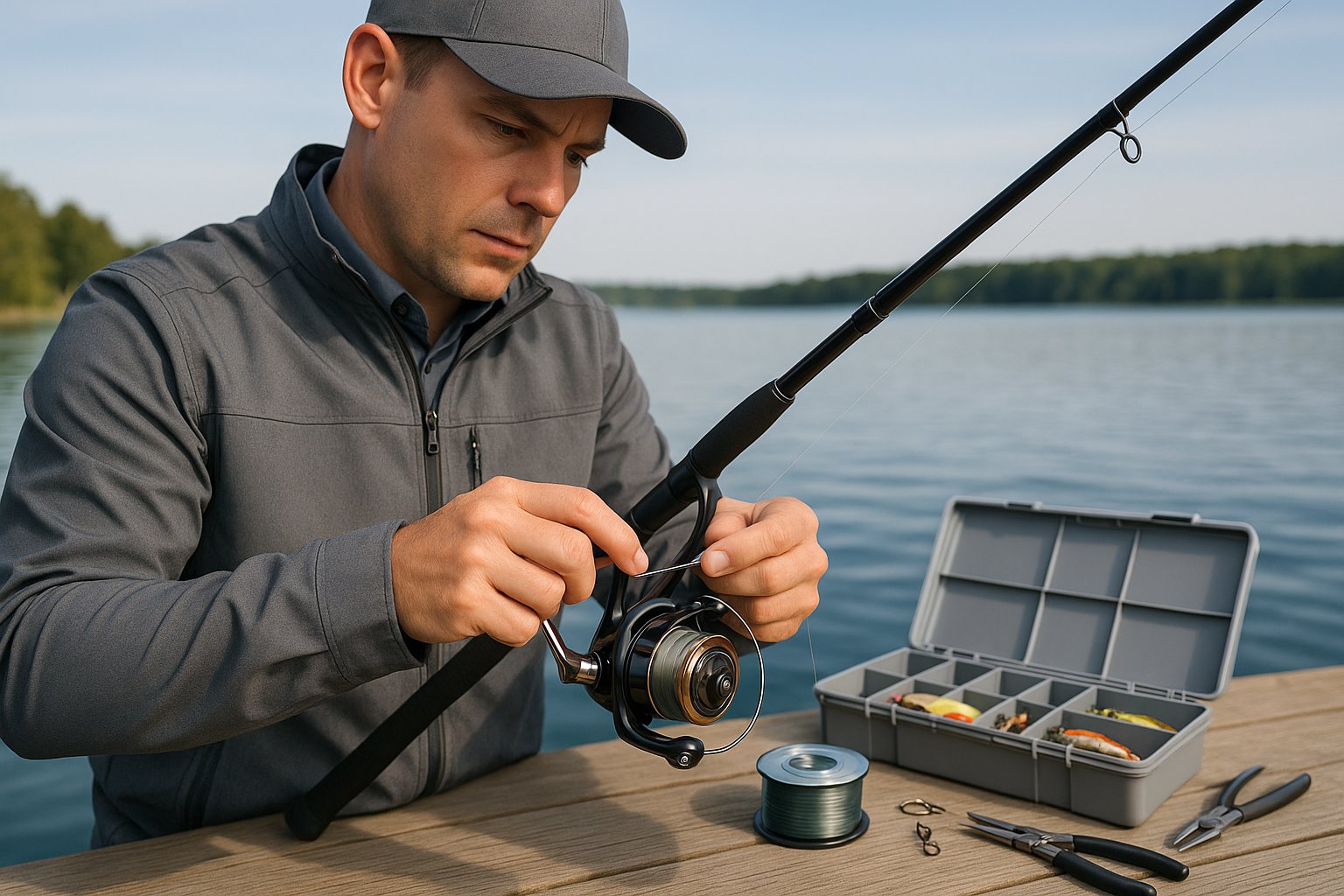
Line twist is one of those spinning-reel problems that seems small, until it suddenly costs us distance, sensitivity, and fish. One day the reel feels smooth, and the next we're dealing with coils, wind knots, and loops spilling off the spool. The good news is that most line twist isn't random. It usually comes from a few predictable setup and handling mistakes.
In this guide, we'll break down how to avoid line twist spinning reel issues before they start. We'll cover what causes twist, how to spot it early, practical prevention habits, the best way to spool line, and how to match reel and line for smoother performance. If we want better casting, fewer tangles, and less time fixing problems on the water, good spinning reel line management is where it starts.
What Causes Line Twist in Spinning Reels?
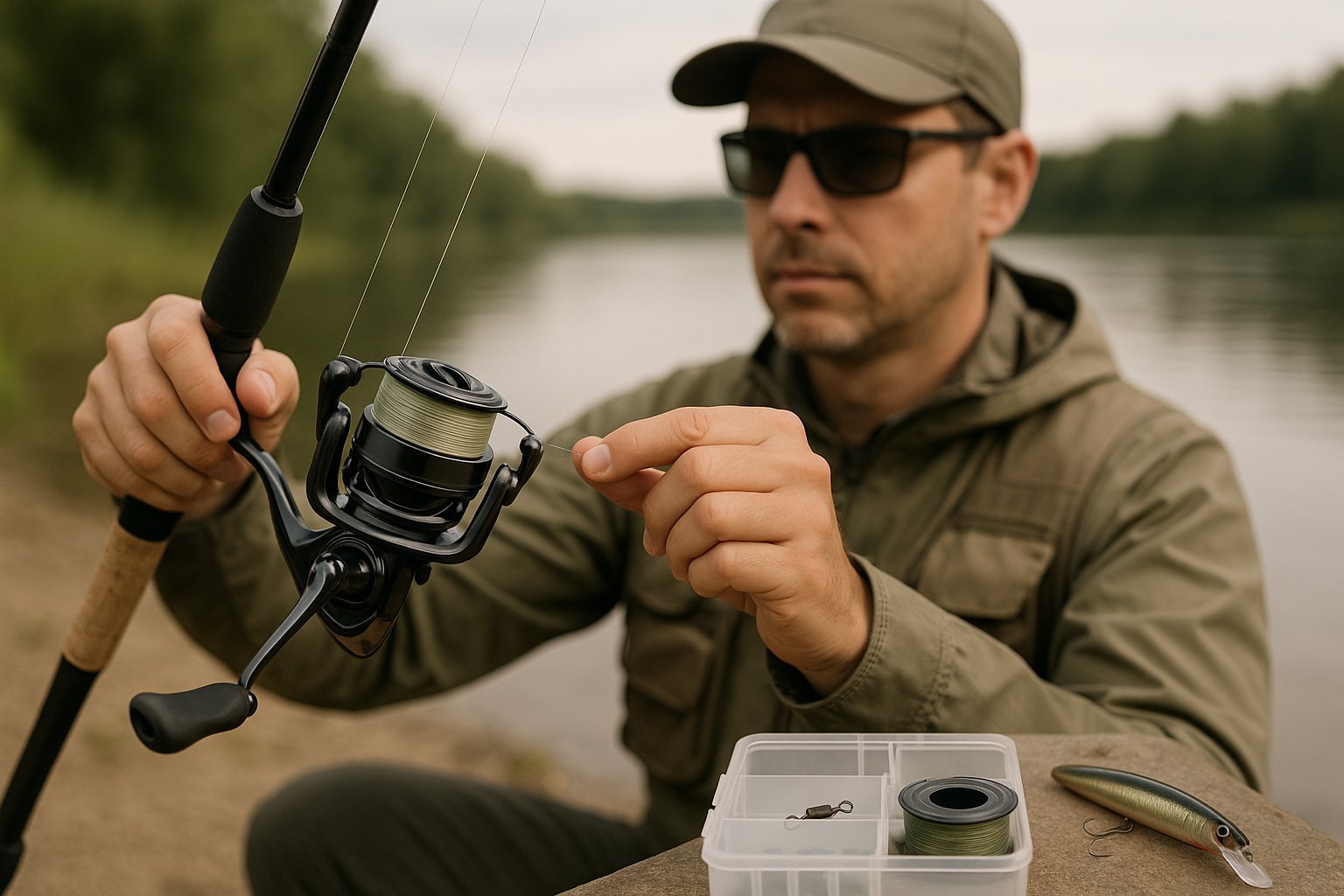
Line twist matters because it builds quietly. A spinning reel is designed to let line peel off the spool in loops, but when extra rotation gets introduced into the line itself, those loops become exaggerated coils, tangles, and knots. If we want a reliable spinning reel line twist fix, we first need to understand where the twist is coming from.
One of the most common causes is reeling while the drag is slipping. When a fish pulls line under drag, the spool isn't wrapping line back on in a normal way. If we crank the handle during that slip, we can force twist into the line with every turn. The better move is simple: let the fish take line under drag, keep pressure steady, and resume reeling only when the spool is turning normally again.
Another major cause is incorrect spooling direction. If line comes off the filler spool opposite to the way the reel is laying it onto the spool, twist starts before we even make the first cast. Many anglers blame the reel, but the issue began in the garage or tackle room.
Lures can add twist too. In-line spinners, spoons, and some soft-plastic rigs rotate during retrieve. Even live bait rigs can spin if they're not balanced well. Over time, that rotation transfers directly into the line. A quality swivel can reduce the problem, but it won't fix everything if the lure is spinning unnaturally.
There's also bail-related twist. If we close the bail by turning the handle after the cast, especially with slack line present, we can trap a loose loop on the spool. That loop often turns into the start of a twist problem. Closing the bail by hand gives us more control and helps the line seat evenly.
Finally, line condition and overfilling play a role. Old mono develops memory, braid can dig in or wrap poorly over a bad base, and a spool packed too full lets loops jump off more easily. In many cases, line twist isn't one big mistake. It's several small habits stacking up over time.
Early Signs Your Line Is Twisting
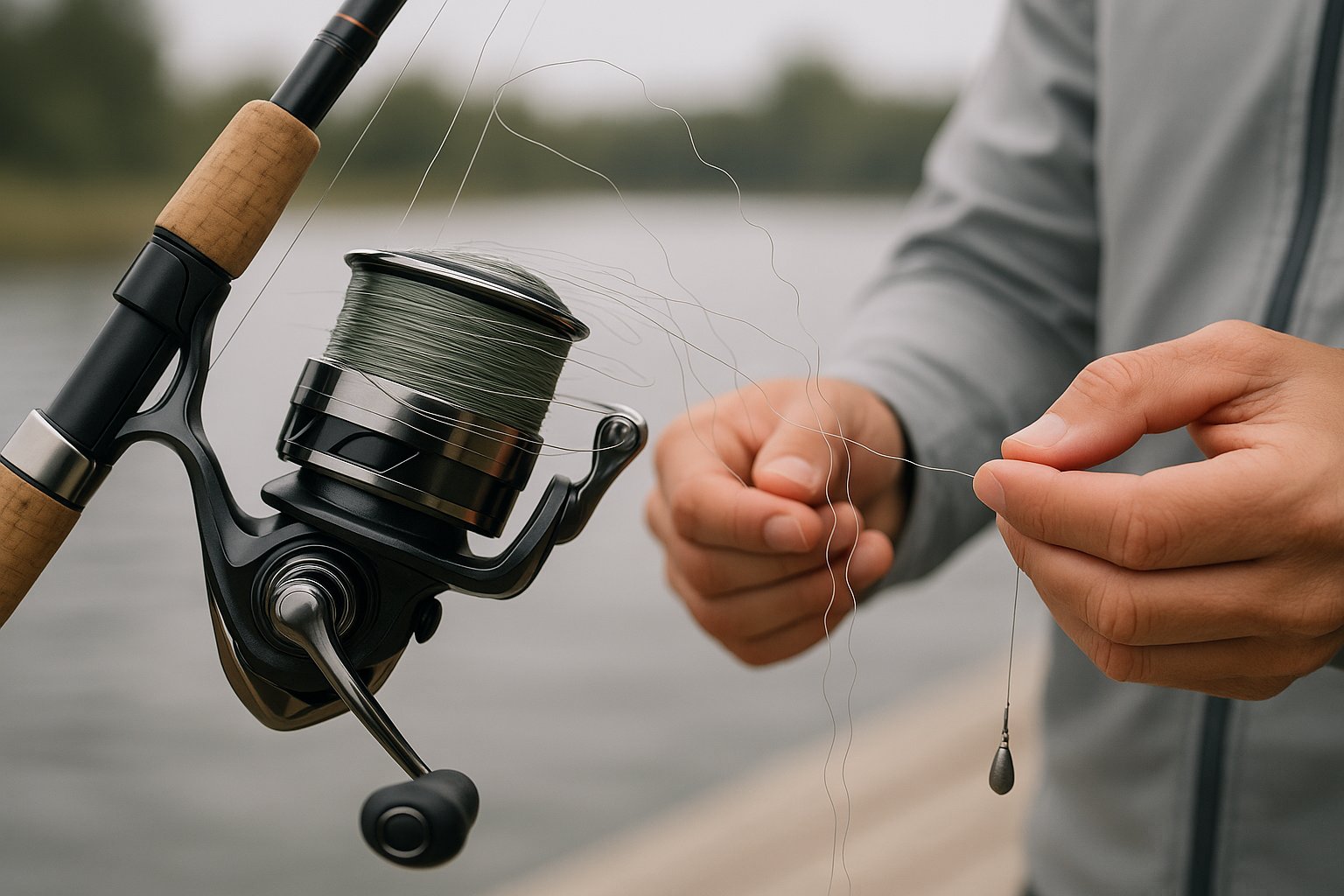
The earlier we spot line twist, the easier it is to correct before it becomes a mess. That's why paying attention to small changes in how the reel behaves is one of the smartest parts of spinning reel line management.
The first warning sign is usually excessive coiling. If the line springs off the spool in tight loops when we open the bail, twist is already building. Some coil is normal with monofilament and fluorocarbon, especially in cold weather, but tight, aggressive loops are different. They usually mean stored rotation is looking for a way out.
Another clue is unexpected slack loops on the spool. We may notice a loose band of line sitting unevenly near the front lip or halfway down the spool. That often happens after a cast followed by a quick handle turn with slack still in the line. Left alone, that loop becomes a tangle on the next cast.
Casting performance also tells the story. Twisted line often causes:
-
Shorter casts
-
More friction as line leaves the spool
-
Sudden wind knots or snarls
-
Lures that seem to helicopter or drift oddly
Sometimes the problem shows up during retrieve. The line may feel rough, pulse strangely through the rod, or wrap around the rod tip. If the lure is spinning underwater, the twist can build fast enough that we feel the setup becoming less stable cast by cast.
A simple test helps confirm it. We can strip several yards of line off the reel and let it hang with a lure or weight attached. If the line twists around itself or the terminal end keeps spinning freely, there's stored twist in the system.
Here's the key: small symptoms are easier to fix than full-blown tangles. If we catch line twist early, we may only need to respool a section, stretch the line, or let it untwist behind the boat or in current. If we ignore the signs, we usually end up cutting line, losing time, and dealing with the same issue again later.
Practical Ways to Prevent Line Twist
Preventing twist matters more than fixing it later. Once line is badly twisted, every cast becomes a risk. The good news is that a few consistent habits do most of the work.
First, close the bail by hand after every cast. This is one of the easiest upgrades we can make. After the lure lands, we manually flip the bail, pull the line snug with the rod hand, and then begin the retrieve. That quick step removes slack and helps the line lay evenly on the spool.
Second, never reel against a slipping drag. When a fish is taking line, we keep the rod loaded and let the drag do its job. Reeling during a drag run is a fast way to force twist into spinning-reel line.
Third, pay attention to lure behavior. If a bait spins on the retrieve, the line pays for it. We should test lures near the bank or boat and watch whether they track true. If they roll, we can:
-
Adjust retrieve speed
-
Re-rig the bait straighter
-
Replace a bent component
-
Add a quality swivel where appropriate
Swivels help, especially with rotating presentations, but they're not a cure-all. If the lure is spinning wildly, even a good swivel can only do so much.
Line tension matters too. We want line going back onto the spool under light, steady tension. Reeling loose line invites loops. After a long cast, if the lure is drifting toward us or a fish runs at us, we should take up slack carefully and make sure the line is snug before settling into a normal retrieve.
It also helps to match line type to technique. Light braid with a leader is often easier to manage than heavy-memory mono on small spinning spools. If we prefer mono or fluoro, changing it regularly and avoiding oversized line diameters can reduce trouble.
For a quick spinning reel line twist fix on the water, we can remove terminal tackle, let a long section of line trail behind a moving boat or drift in current, then reel it back under tension. That won't solve bad habits, but it can reset the line enough to finish the day.
In practice, avoiding twist is about discipline: controlled bail closure, proper drag use, balanced lures, and steady line tension. Small habits, big difference.
Best Line Spooling Techniques
Proper spooling is where most twist problems are either prevented or created. If we want to avoid line twist spinning reel issues, we need to treat spooling as part of performance, not just prep work.
The first step is using the right base and amount of line. We should check the reel's line-capacity rating and avoid overfilling. A spool packed to the very lip may cast far for a minute, but it also lets loops jump off too easily. In most cases, leaving about 1/8 inch of space below the spool lip gives a cleaner result.
A reliable spooling method
-
Run the line through the first rod guide.
-
Tie it securely to the spool with an arbor knot or appropriate braid setup.
-
Close the bail manually before starting.
-
Place the filler spool so line comes off in the direction that matches the reel's natural wrap.
-
Crank slowly while keeping steady finger tension on the line.
-
Stop after several turns and check for twist by lowering slack line. If it coils hard, flip the filler spool orientation and test again.
That pause-and-check step saves a lot of headaches. There's no prize for rushing through a bad spool job.
Tension is not optional
Line should go on firm and even. With mono or fluorocarbon, too little tension creates loose wraps that later dig, jump, and twist. With braid, inadequate tension is even worse because it can bury into lower layers. A soft cloth or glove helps us apply pressure safely while winding.
Braid, mono, and fluorocarbon tips
-
Braid: Use backing or spool tape to prevent slipping. Wind it tightly.
-
Monofilament: Don't oversize diameter for the reel. Mono with heavy memory exaggerates twist.
-
Fluorocarbon: Be extra careful with filler-spool orientation and avoid overfilling.
If we use a line-spooling station, great. If not, we can still get excellent results by slowing down and checking line behavior as we go.
And one more thing: after spooling, it helps to make a few long casts and retrieve under tension before fishing seriously. That settles the line pack and reveals problems early, when they're still easy to fix.
Ideal Reel and Line Setup for Smooth Performance
Even perfect technique has limits if the reel and line are mismatched. Smooth performance starts with a setup that makes line control easier, not harder.
A good spinning reel for line management should have a well-designed spool lip, smooth oscillation, and consistent line lay. Cheap reels often stack line unevenly, which increases the chance of loops and twist. That doesn't mean we need the most expensive model on the shelf, but it does mean spool design matters.
Reel size is important too. Very small reels paired with thick line are a classic recipe for memory and coil problems. In general, we want the line diameter to suit the spool. For many freshwater applications, a 2500-size reel with manageable line diameter offers a strong balance of casting ease and control.
Smart line pairings
Here are dependable starting points:
|
Application |
Reel setup |
Line choice |
|---|---|---|
|
Finesse freshwater |
1000–2500 size spinning reel |
10 lb braid to 6–8 lb leader |
|
General freshwater |
2500 size reel |
10–15 lb braid to 8–10 lb leader |
|
Light inshore |
2500–3000 size reel |
15–20 lb braid to suitable leader |
These combinations work well because braid has low memory and leaves the spool cleanly. A leader adds abrasion resistance and stealth without forcing us to fill the whole spool with stiffer line.
If we prefer straight mono or fluorocarbon, we should stay realistic about diameter. Going too heavy on a compact spinning reel usually creates more trouble than benefit.
Rod choice plays a supporting role. A rod with guides in good condition and a layout suited to spinning gear helps line flow cleanly. Damaged or grooved guides can add friction and make management problems worse.
Finally, maintenance matters. A dirty line roller or sticky bail can contribute to uneven line handling. We should periodically inspect the roller, bail action, drag, and spool lip for wear. Smooth gear supports smooth line flow.
In short, the best spinning reel line management strategy combines habits with hardware: a quality reel, correct spool size, sensible line diameter, and routine maintenance. When the setup is right, twist prevention becomes much easier.
We don't need complicated fixes to keep a spinning reel behaving well. If we understand what causes twist, catch the early warning signs, spool line correctly, and use a balanced reel-and-line setup, most problems fade fast. The biggest gains usually come from simple habits: closing the bail by hand, avoiding reeling against drag, and keeping steady tension on the line.
That's really the core of how to avoid line twist spinning reel issues over the long term. Start with one or two corrections on your next outing, then build from there. A smoother reel, cleaner casts, and fewer tangles are usually much closer than they seem.
Frequently Asked Questions About Avoiding Line Twist on Spinning Reels
What causes line twist on a spinning reel?
Line twist is mainly caused by reeling against a slipping drag, incorrect spooling direction, spinning lures, closing the bail by turning the handle, and using old or overfilled line spools.
How can I prevent line twist when using a spinning reel?
Prevent line twist by closing the bail by hand, avoiding reeling during drag runs, using balanced lures or swivels, maintaining steady line tension, properly spooling line with correct direction and tension, and regularly replacing old line.
Why is closing the bail by hand important to avoid line twist?
Closing the bail by hand prevents trapping loose slack loops on the spool, which can cause twist. This method gives control to seat line evenly and reduces the chance of forming coils or tangles.
What line spooling techniques help reduce line twist on spinning reels?
Run line through the first rod guide, tie with an arbor knot, spool in the matching direction, apply light steady tension, and avoid overfilling the spool—leaving about 1/8 inch space below the lip helps keep line laying evenly.
Can lure selection affect line twist on spinning reels?
Yes, lures like in-line spinners or spoons that rotate during retrieve can add twist. Using quality swivels, adjusting retrieve speed, or replacing bent components can reduce lure-induced line twist.
What is the best reel and line setup to minimize spinning reel line twist?
Using a reel with a good spool design and correct size, paired with low-memory braid line and a suitable leader improves line management. For most freshwater fishing, a 2500-size reel with 10–15 lb braid and an 8–10 lb leader works well.
 Featured

