

How to Match a Reel With a Rod for Better Casting, Balance, and Hookups
A mismatched rod and reel feels terrible—tip-heavy, awkward to cast, and tiring to fish. This fishing combo setup guide shows you how to pair reel size, rod power, action, and line capacity for balance, sensitivity, and better hooksets. Includes common mistakes and recommended rod and reel combinations for bass, finesse, cranking, heavy cover, and inshore fishing.
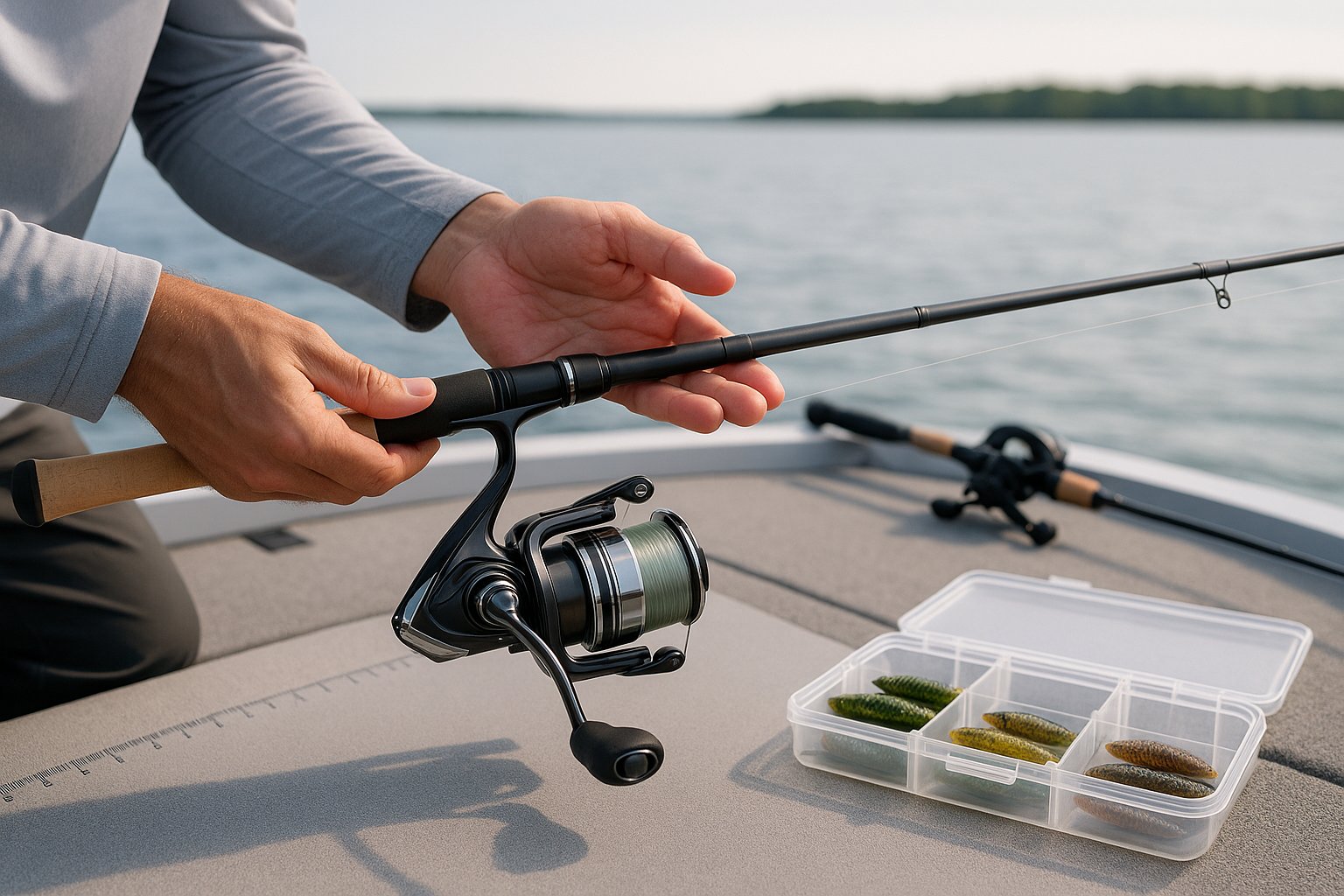
A rod and reel can both be great on their own and still feel terrible together. We've all handled a setup that felt tip-heavy, awkward to cast, or just plain mismatched once a fish was on. That usually comes down to poor balance, not just brand or price. If we want smoother casts, better lure control, less fatigue, and more consistent hooksets, we need to match reel with rod the right way.
In this guide, we'll break down what actually matters when building a balanced setup: reel size, rod power, rod action, line capacity, and intended fishing style. We'll also cover common pairing mistakes and share practical examples of best rod and reel combinations for popular freshwater and inshore situations. Whether we're buying our first fishing rod reel combo or fine-tuning a favorite outfit, this fishing combo setup guide will help us make smarter choices.
Why Balance Between Rod and Reel Matters
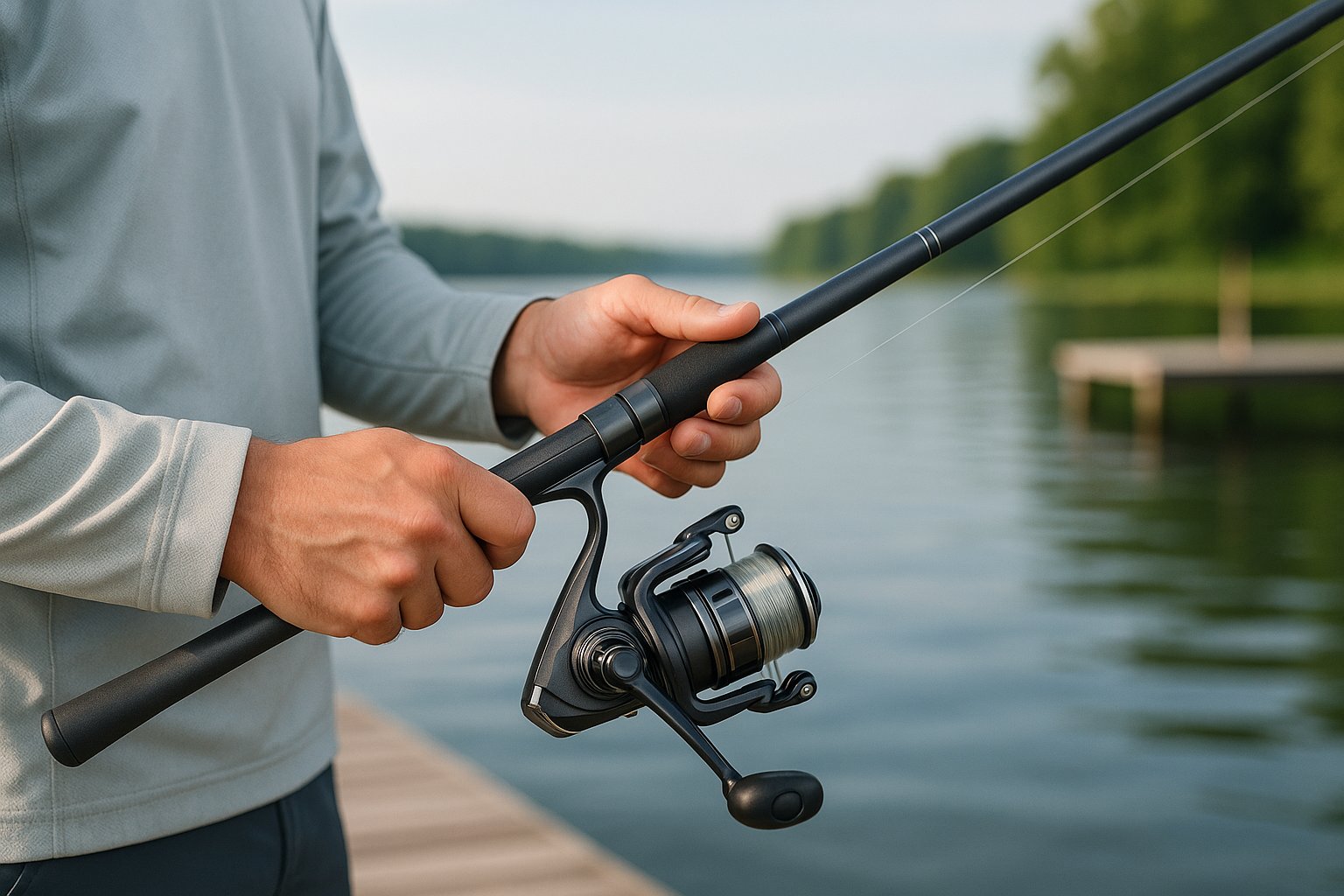
A good rod-and-reel match does more than look right. It changes how the entire setup feels in our hands and how effectively we fish with it for hours at a time.
When we match reel with rod properly, the combo feels neutral instead of fighting us. The reel offsets the rod's weight so the tip doesn't dive forward and the handle doesn't feel overly heavy. That balance matters for three big reasons:
-
Casting efficiency: A properly matched reel loads the rod more naturally and helps us cast with less wasted motion.
-
Sensitivity and control: We feel bites better when the setup isn't awkward or tiring to hold.
-
Fish-fighting performance: Drag, rod bend, and line management work together instead of against each other.
Think about finesse fishing with a light spinning rod. If we mount a reel that's too large and heavy, the combo feels clunky and dull. If the reel is too small, the rod may feel tip-heavy, and our wrist pays for it by the end of the day. The same idea applies on the power side: a heavy baitcasting reel on an underpowered rod, or a tiny reel on a flipping stick, throws off the entire system.
Balance also affects technique accuracy. When a setup is comfortable, we cast tighter targets, recover faster, and make better presentations. That matters whether we're skipping a dock, working a jerkbait, or drifting live bait.
There's also a durability angle. A mismatched combo can stress rod guides, reel gears, and line in avoidable ways. Not instantly, maybe, but over time, poor pairing leads to more frustration and less performance.
So before we chase specs or marketing terms, we should remember the core goal: build a balanced setup where rod, reel, line, and technique all support each other. That's the foundation of every smart fishing rod reel combo.
Key Factors: Size, Power, and Action
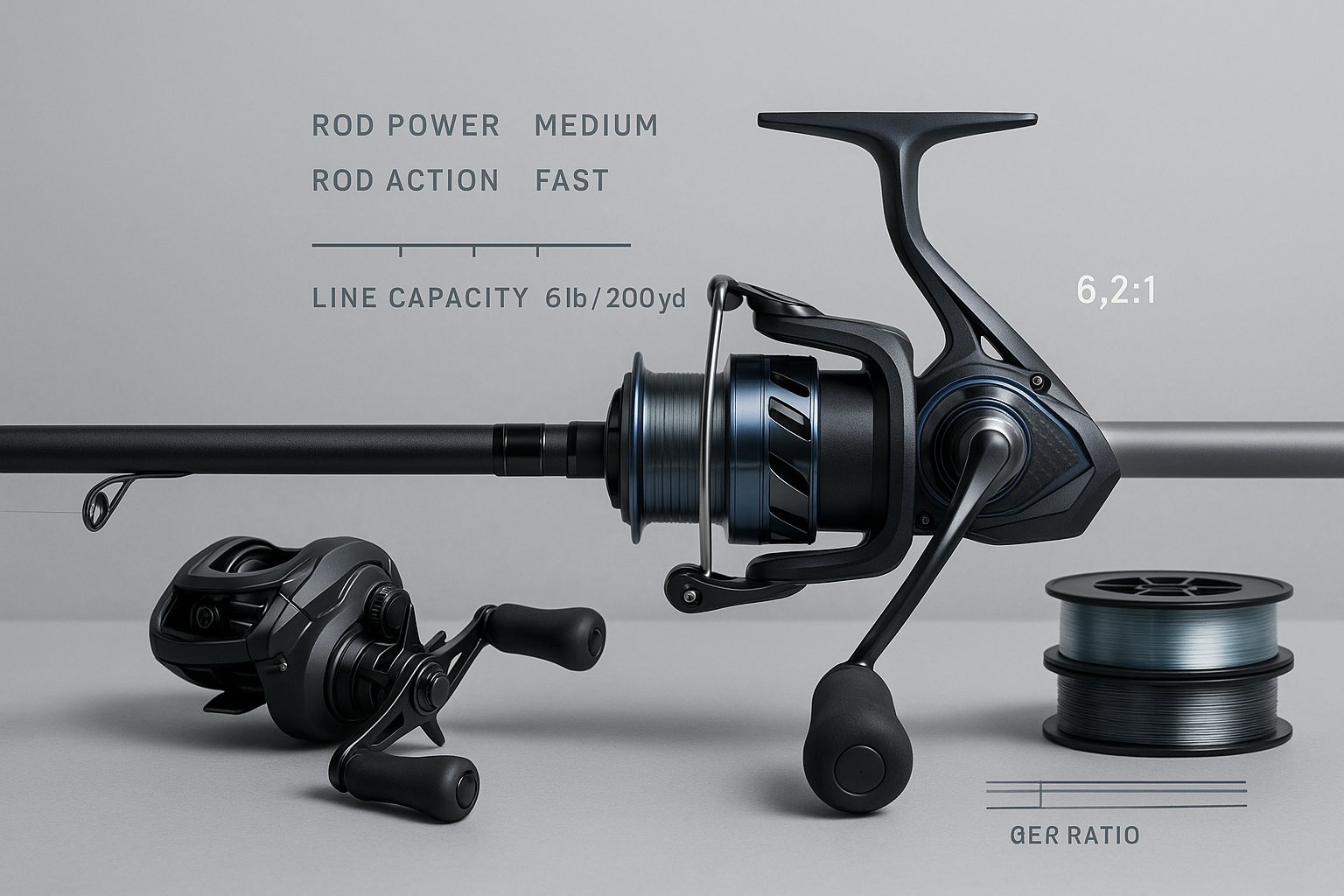
If we want to know how to pair rod and reel, these are the factors to start with. They do most of the work in determining whether a combo feels natural and performs correctly.
Reel size
Reel size should match the rod's length, power, and intended line class.
For spinning gear, a rough guide looks like this:
|
Rod Type |
Typical Spinning Reel Size |
|---|---|
|
Ultralight/light |
1000–2000 |
|
Medium-light/medium |
2000–3000 |
|
Medium-heavy |
3000–4000 |
|
Inshore/heavier freshwater |
4000+ |
For baitcasters, we usually think less in "1000 vs 3000" and more in frame size, spool capacity, and application. Low-profile reels fit most bass techniques, while larger round or heavy-duty low-profile reels suit bigger baits, heavier line, or stronger fish.
A reel that's too small may underfill line needs, reduce retrieval efficiency, and make the rod feel tip-heavy. Too large, and the combo becomes tiring and awkward.
Rod power
Rod power describes resistance to bending: ultralight, light, medium-light, medium, medium-heavy, heavy, and so on. The reel should support the line and lure range that rod is designed to fish.
Examples:
-
Light rod: best with small spinning reels and lighter line
-
Medium rod: pairs well with compact-to-mid spinning reels or standard baitcasters depending on technique
-
Medium-heavy/heavy rod: needs a reel with stronger drag, more line capacity, and gearing suited to heavier presentations
If the rod power and reel capability are disconnected, the combo feels confused. We might have plenty of drag but not enough rod backbone, or lots of backbone with a reel too small to handle the line and pressure involved.
Rod action
Action tells us where the rod bends. Fast-action rods bend mostly near the tip. Moderate rods flex deeper. That affects casting style, lure type, and hookset timing.
-
Fast action: great for single-hook lures, sensitivity, and quick hooksets
-
Moderate action: better for treble-hook baits and keeping fish pinned
-
Extra-fast action: highly responsive for techniques needing precise control
The reel should complement that action. A fast-action jig rod often pairs with a quick, compact reel that supports accuracy and immediate line pickup. A moderate-action crankbait rod works better with a reel designed for smooth retrieves and steady pressure.
Gear ratio and line capacity
These are often overlooked in a fishing combo setup guide, but they matter.
A high-speed reel works well for jigs, worms, and techniques where we need to pick up slack quickly. A moderate gear ratio is often better for moving baits. Line capacity should also fit the rod's intended job. There's no point putting a tiny shallow spool on a rod built for long casts with heavier line.
The best pairings happen when reel size, rod power, rod action, gear ratio, and line choice all point toward the same job.
Matching for Different Fishing Styles
The easiest way to build a strong fishing rod reel combo is to match it to the technique first. Instead of asking, "Is this a good rod?" or "Is this a good reel?" we should ask, "What is this setup supposed to do?"
Finesse fishing
For drop shots, Ned rigs, shaky heads, and small soft plastics, we usually want a light to medium-light spinning rod with a 1000 to 2500-size reel. A fast action helps with sensitivity and bite detection.
Typical setup:
-
6'8" to 7'2" medium-light or light-fast spinning rod
-
1000–2500 spinning reel
-
6–10 lb braid with leader, or 4–8 lb mono/fluoro
This creates a responsive, lightweight, balanced setup that handles subtle presentations well.
All-purpose freshwater fishing
If we want one versatile combo for bass, walleye, or mixed freshwater use, a medium-power rod is hard to beat. We can pair it with either a 2500–3000 spinning reel or a standard low-profile baitcaster, depending on lure style.
Good fit for:
-
Texas rigs
-
Spinnerbaits
-
Swim jigs
-
Weightless plastics
-
Small topwaters
This is where many anglers build their first true everyday setup.
Power fishing and heavy cover
For frogs, jigs, punching, and thick cover, we need stronger tools. A medium-heavy to heavy rod with a baitcaster that has solid drag and adequate spool capacity is the usual answer.
Typical setup:
-
7'0" to 7'6" medium-heavy or heavy-fast casting rod
-
7:1 or faster baitcaster
-
30–65 lb braid depending on cover
This pairing gives us hooksetting power, control around vegetation, and enough reel strength to move fish quickly.
Crankbaits and treble-hook lures
Moving baits are a different game. Here, we often want a moderate or moderate-fast rod action so fish don't tear free on the fight. The reel should feel smooth and controlled, not overly aggressive.
Typical setup:
-
6'10" to 7'4" medium or medium-heavy moderate-action casting rod
-
5:1 to 6:1 baitcaster, or a moderate-speed spinning reel for smaller cranks
-
Line matched to diving depth and cover
Inshore saltwater
For redfish, speckled trout, snook, or light inshore work, corrosion resistance and line capacity start mattering more. A medium-light to medium-heavy inshore spinning rod often pairs well with a 2500 to 4000-size spinning reel.
We should prioritize:
-
Smooth drag
-
Sealed or better-protected components
-
Enough line for longer runs
-
Rod power matched to lure and species size
Once we define the fishing style, how to pair rod and reel becomes much simpler. Technique narrows the choices fast.
Common Rod and Reel Pairing Mistakes
Most pairing mistakes aren't dramatic. They're subtle problems that make a combo feel "off" on the water. Here are the ones we see most often.
Choosing by looks instead of function
A rod and reel may match cosmetically and still perform poorly together. Color coordination is nice: technique fit matters more.
Ignoring physical balance
Many anglers buy the rod first, the reel later, and never test the combo in hand. That's risky. We should mount the reel on the rod whenever possible and check where the setup balances near the reel seat. It doesn't need to be perfectly level, but it should feel comfortable and controllable.
Overpowering or underpowering the setup
A heavy reel on a finesse rod kills sensitivity. A tiny reel on a heavy rod creates line and drag limitations. Either way, the combo becomes less efficient.
Mismatching line capacity and application
A compact reel might feel great in the store but be a poor fit if the technique needs heavier line, long casts, or hard-fighting fish. Likewise, loading a giant reel onto a light setup adds unnecessary bulk.
Using the wrong action for the lure style
This is one of the biggest misses in any fishing combo setup guide. Fast-action rods with treble-hook moving baits can pull hooks too quickly. Moderate rods for bottom-contact techniques may feel too soft for solid hooksets. The reel doesn't fix the wrong action: it only supports or exposes it.
Copying someone else's combo blindly
A pro setup, a friend's setup, or a viral "best rod and reel combinations" list might not suit our waters, baits, or target species. Even within the same technique, preferences vary by lure weight, line type, and casting style.
Not considering ergonomics
Handle length, reel seat comfort, reel weight, and even grip style affect fatigue. If we fish long sessions, ergonomics matter almost as much as specs.
Quick pairing checklist
Before we buy, we should ask:
-
What technique will this combo handle most often?
-
Does the reel size fit the rod length and power?
-
Is the rod action right for the lure and hook type?
-
Does line capacity match the species and presentation?
-
Does the setup feel balanced in hand?
Avoiding these mistakes gets us much closer to a setup that works naturally, not just one that looks right on paper.
Recommended Rod and Reel Combos
There's no single perfect answer, but there are proven starting points. These examples cover the most common use cases and make solid reference points when we want to match reel with rod confidently.
1. Ultralight trout and panfish combo
-
Rod: 5'6" to 6'6" ultralight or light-fast spinning rod
-
Reel: 1000-size spinning reel
-
Line: 2–6 lb mono, fluoro, or light braid
Best for small spinners, jigs, floats, and live bait. The goal is a light, sensitive combo that makes tiny lures easy to cast.
2. Finesse bass spinning combo
-
Rod: 6'10" to 7'2" medium-light fast spinning rod
-
Reel: 2500-size spinning reel
-
Line: 10 lb braid to 6–8 lb fluorocarbon leader
This is one of the most dependable best rod and reel combinations for drop shots, Ned rigs, and shaky heads.
3. Versatile freshwater spinning combo
-
Rod: 7'0" medium fast spinning rod
-
Reel: 2500 or 3000-size spinning reel
-
Line: 10–15 lb braid or 8–10 lb mono/fluoro
If we want one rod for general freshwater fishing, this is a smart place to start. It handles a wide range of lures without feeling specialized.
4. All-purpose baitcasting combo
-
Rod: 7'0" medium-heavy fast casting rod
-
Reel: standard low-profile baitcaster, 6.8:1 to 7.5:1
-
Line: 12–17 lb fluoro or 30–40 lb braid
A classic choice for jigs, Texas rigs, spinnerbaits, chatterbaits, and more. If someone asks for a reliable bass setup, this is usually near the top.
5. Crankbait combo
-
Rod: 7'0" to 7'4" medium or medium-heavy moderate-action casting rod
-
Reel: 5.4:1 to 6.4:1 baitcaster
-
Line: 10–14 lb fluoro or mono depending on bait depth and cover
This combo helps keep treble-hooked fish pinned and makes moving baits easier to fish at the right speed.
6. Frog and heavy-cover combo
-
Rod: 7'2" to 7'6" heavy fast casting rod
-
Reel: high-speed baitcaster with strong drag
-
Line: 50–65 lb braid
Built for pulling fish out of pads, grass, and thick slop. Not subtle, but absolutely purpose-built.
7. Inshore spinning combo
-
Rod: 7'0" medium or medium-heavy inshore spinning rod
-
Reel: 3000–4000 spinning reel
-
Line: 10–20 lb braid with leader
A great option for light saltwater work with soft plastics, topwaters, live bait, and spoons.
When comparing best rod and reel combinations, we should treat these as frameworks, not rigid rules. Brand, budget, and personal preference all matter. But if we start with the right rod power and action, then choose a reel size and retrieve that fit the technique, we'll end up with a smarter, more effective combo almost every time.
In short: build for the job, not just the shelf tag.
Frequently Asked Questions About Matching Reel with Rod
Why is it important to match reel with rod properly?
Properly matching reel with rod ensures better balance, casting efficiency, sensitivity, and fish-fighting performance, making fishing more comfortable and effective over long sessions.
How do I choose the right reel size for my fishing rod?
Select a reel size that corresponds to your rod’s length, power, and intended line class; for spinning rods, lighter rods use smaller reels (1000–2500), while heavier rods require larger reels (3000+).
What role does rod action play in pairing a rod with a reel?
Rod action affects how the rod bends and influences lure control and hookset timing; fast-action rods pair best with quick, compact reels, while moderate-action rods benefit from smooth, steady retrieval reels.
Can I use a heavy reel on a light rod? What happens if I mismatch them?
Using a heavy reel on a light rod causes imbalance, reduces sensitivity, and causes fatigue; mismatching rod power and reel size leads to inefficient casts and can damage equipment over time.
What is a good rod and reel combo for finesse fishing techniques?
A medium-light or light-fast spinning rod (6'8"–7'2") paired with a 1000–2500-size spinning reel and light line (4–10 lbs) creates a sensitive, balanced setup ideal for finesse fishing like drop shots and shaky heads.
How do gear ratio and line capacity influence rod and reel matching?
High-speed gear ratios suit techniques needing quick line pickup like jigging, while line capacity should align with the rod's intended use to ensure enough line for long casts and strong fish without overloading the reel.
 Featured

