

Gear Ratio Fishing Reel Guide: Pick the Right Speed, Size, and Setup for Bass
Confused by gear ratio and reel size for bass fishing? Learn how 2500 vs 3000 spinning reels compare, what gear ratio numbers really mean, and how to match reel size, line, and retrieve speed for finesse, cranking, and power fishing techniques.
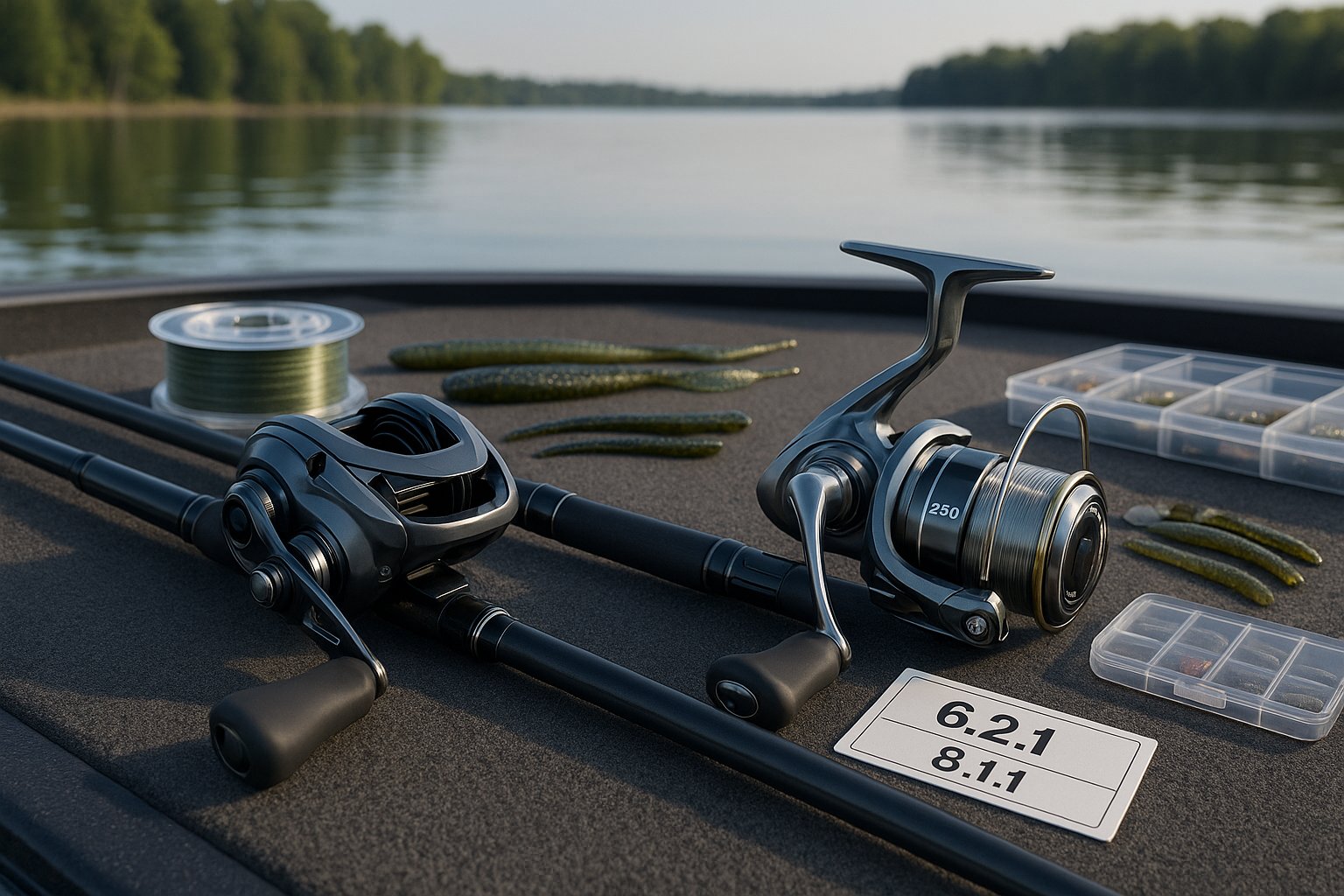
If you've ever stared at a wall of reels and wondered whether a 6.2:1 or 8.1:1 model actually matters, you're not alone. For bass anglers, a gear ratio fishing reel choice can make certain techniques feel effortless, or strangely awkward. And while gear ratio gets a lot of attention, reel size plays just as big a role in casting distance, line capacity, balance, and overall control.
That's where a lot of buying mistakes happen. We focus on speed, ignore size, then end up with a reel that technically works but never feels quite right on the water.
In this guide, we'll break down how reel size affects bass fishing, what those size numbers really mean, how to match your reel with your rod and line, and where reel speed fishing decisions fit into the bigger picture. We'll also cover gear ratio explained in practical terms, including the best gear ratio for bass fishing and what gear ratio for different fishing techniques actually makes sense.
How to Choose the Right Reel Size for Bass Fishing
Choosing the right reel size for bass fishing starts with a simple question: how do we actually plan to fish most often? Not every bass setup needs the same reel body, spool capacity, or retrieve feel.
For most bass anglers, the sweet spot is surprisingly narrow. On spinning gear, a 2500 or 3000 size reel covers a huge range of techniques, from shaky heads and drop shots to light Texas rigs. On baitcasting setups, manufacturers don't always use spinning-style size numbers consistently, but the same principle applies: we want a reel large enough to manage our line and technique, without adding unnecessary bulk.
A good rule is this:
-
Finesse presentations: smaller, lighter reel sizes
-
All-around bass fishing: mid-size reels
-
Heavier line or power techniques: slightly larger reels with more capacity
But size isn't just about line. It affects:
-
Reel weight
-
Rod balance
-
Spool diameter
-
Drag performance
-
Retrieve comfort over a full day
That last part matters more than people think. A reel that feels "just a little big" in the store can feel clumsy after eight hours of casting.
And this is where size and speed overlap. A lot of anglers ask about reel speed fishing first, but retrieve rate depends on both gear ratio and spool size. So before deciding between fast vs slow reel gear ratio, we should first make sure the reel physically fits the job. A well-sized reel with an average ratio often performs better than a mismatched reel with the "perfect" specs on paper.
For bass, we usually want balance over extremes. The right reel size should feel natural in the hand, match the rod's power, and hold enough line for the technique without turning the whole combo into dead weight.
Why Reel Size Matters for Bass Fishing
Reel size matters because bass fishing is full of little efficiency gains. A setup that balances well, casts cleanly, and picks up line smoothly lets us fish better, plain and simple.
The first reason is balance. Pair a large reel with a light, finesse rod and the combo feels tip-light and awkward. Pair a tiny reel with a heavier rod and the whole setup can feel underpowered. Neither is ideal. Balance affects wrist fatigue, hookset timing, and even how accurately we present a bait around cover.
The second reason is line capacity. Bass don't usually demand the extreme line capacity needed for saltwater or long-run species, but we still need enough room for our chosen line type. Braided line, fluorocarbon, and mono behave differently on the spool. A reel that's too small can limit casting performance or create line management headaches.
Then there's drag consistency. Larger reels often have larger drag washers and a bit more mechanical authority, which can help when using heavier line or pulling fish from grass, wood, or docks. That doesn't mean bigger is always better. It means the reel should match the pressure we expect to apply.
And yes, reel size also shapes how we think about gear ratio explained in the real world. Two reels with the same 7.1:1 gear ratio won't always retrieve the same amount of line per turn if the spool diameters differ. That's why what gear ratio for different fishing techniques can't be answered in isolation. Size changes the feel.
In practical bass terms, the wrong reel size often shows up as one of three things:
-
Poor casting distance
-
Excessive fatigue
-
A setup that never quite feels "dialed in"
That's the kind of problem people blame on the rod, line, or lure. Often, it starts with the reel.
Understanding Reel Size Numbers (1000 vs 3000 vs 4000)
Reel size numbers confuse a lot of people because there's no perfectly universal standard across every brand. Still, the general pattern is consistent enough to use.
For spinning reels, the size number roughly indicates the reel's overall body and spool size:
-
1000 size: very small, built for ultralight presentations
-
2000/2500 size: light and versatile, excellent for finesse bass fishing
-
3000 size: a little more spool capacity and often a slightly larger frame or deeper spool
-
4000 size: bigger, heavier, more capacity than most bass anglers need for standard applications
For bass fishing, a 1000 size reel is usually too small unless we're using ultralight gear for tiny lures or panfish-sized crossover fishing. It can work, but it's rarely the best all-around choice.
A 2500 size reel is probably the most popular spinning option for bass. It's light, balances well on medium-light and medium rods, and handles finesse techniques beautifully.
A 3000 size reel often gives us a bit more line capacity and slightly larger spool diameter, which can improve line management and casting with certain lines, especially braid to leader setups.
A 4000 size reel can make sense for heavier spinning applications, like throwing bigger swimbaits on spinning tackle, fishing around current, or using thicker line. But for everyday bass fishing, it often feels oversized.
Here's the part many anglers miss: reel size numbers don't tell us speed by themselves. That's where gear ratio fishing reel specs come in. A 3000 reel with a moderate ratio can still pick up plenty of line per turn because of the spool size. That's why fast vs slow reel gear ratio discussions should always include IPT, inches per turn.
If we want gear ratio explained simply:
-
5.x:1 = slower, more torque
-
6.x:1 = versatile middle ground
-
7.x:1 and 8.x:1 = faster line pickup
But on the water, spool size + gear ratio + technique matter together. For most bass anglers using spinning gear, 2500 to 3000 is the real decision point, not 1000 versus 4000.
How to Match Reel Size with Rod and Line
Matching reel size with rod and line is where a combo starts to feel "right." We're not just trying to attach a reel that technically fits the seat. We're trying to build a setup that casts well, balances in hand, and supports the line we actually use.
Match reel size to rod power and length
A medium-light or medium spinning rod for finesse bass fishing usually pairs best with a 2500 size reel. That keeps the combo light and responsive for drop shots, Ned rigs, shaky heads, and small swimbaits.
A medium to medium-heavy spinning rod, especially in the 7-foot range, often feels excellent with a 3000 size reel if we want a little more line capacity and pickup.
Heavier rods can handle larger reels, but bass anglers should be careful not to overdo it. A bulky reel can make a well-designed rod feel strangely lifeless.
Match reel size to line type
Line choice changes everything.
-
Light braid (10–15 lb) with leader: 2500 or 3000 is ideal
-
Straight fluorocarbon on spinning gear: 3000 often manages memory a bit better
-
Heavier braid (20–30 lb) around cover: 3000 is usually the safer call
Larger spools tend to reduce tight line coils, which can help with fluorocarbon and stiffer mono. That's one reason many anglers prefer a 3000 over a 2500, even when both technically work.
Don't ignore retrieve goals
This is where what gear ratio for different fishing techniques becomes practical. If we're fishing slack-line techniques like jigs, worms, or soft jerkbaits, faster line pickup helps us catch up quickly and set the hook with less delay. If we're working moving baits that benefit from steady resistance, a moderate ratio can feel better.
So the best combo isn't just rod + reel size. It's rod + reel size + line + lure style. That's also how we decide the best gear ratio for bass fishing for our own setup, rather than just copying what sounds fast.
Common Reel Size Mistakes Beginners Make
Most beginner reel mistakes come from shopping by one spec at a time. We see a number, hear a recommendation, and assume it applies to every technique. Bass fishing rarely works that way.
Buying too large "just in case"
This is probably the most common mistake. New anglers often assume a larger reel must be more powerful, more versatile, and better overall. In reality, oversized reels add weight, reduce finesse, and can throw off rod balance. For bass, bigger than necessary usually means less comfortable, not more capable.
Going too small to save weight
The opposite mistake happens too. A tiny reel can look sleek, but if it doesn't hold enough line or manage our chosen line type well, performance suffers. Light is good. Too light is not.
Ignoring line capacity labels
Many anglers buy a reel without checking what it actually holds in braid, fluorocarbon, or mono. Then they spool it up and realize they're either overfilling, underfilling, or forcing the wrong line onto the spool.
Confusing gear ratio with overall speed
This matters a lot in gear ratio fishing reel decisions. Beginners often think a 7.5:1 reel is always faster than a 6.2:1 reel in every meaningful way. But spool size affects line pickup too. That's why reel speed fishing discussions should focus on inches per turn, not ratio alone.
Choosing based on trends instead of techniques
A reel that's ideal for burning lipless cranks or quickly taking up slack may not be ideal for deep cranking. The best gear ratio for bass fishing depends heavily on lure category and presentation. There isn't one magic answer.
If we had to simplify it, beginner buyers should avoid chasing extremes. Don't buy the biggest reel. Don't buy the smallest. Don't buy the fastest just because it sounds advanced. Buy the reel that matches the rod, line, and techniques we'll actually use.
Recommended Reel Sizes for Different Bass Fishing Scenarios
The easiest way to choose is to match reel size to how we fish most often. Here are smart starting points for common bass scenarios.
Finesse spinning techniques
For drop shots, Ned rigs, wacky rigs, and shaky heads, a 2500 size spinning reel is hard to beat. It's light, balanced, and ideal for thin braid with a fluorocarbon leader. Pair it with a moderate-to-fast retrieve if you want quick slack pickup.
All-around spinning setup
If we want one spinning combo for multiple bass techniques, a 3000 size reel is often the safest recommendation. It handles finesse well enough while giving us extra line capacity and slightly better line management with fluorocarbon or heavier braid.
Heavier spinning applications
For tubes in current, larger soft plastics, or occasional crossover use where heavier line matters, a 3000 or 4000 size reel can make sense. We'd still lean 3000 first for bass unless the application clearly calls for more spool capacity.
Baitcasting for general bass fishing
On baitcasters, exact size labels vary by brand, so capacity and frame profile matter more than the raw number. For jigs, Texas rigs, spinnerbaits, chatterbaits, and frogs, a compact 100- to 150-size class baitcaster is the common bass standard.
This is also where what gear ratio for different fishing techniques really matters:
-
5.x:1 to low 6.x:1: crankbaits and resistance-heavy moving baits
-
6.x:1: great all-around option
-
7.x:1: jigs, worms, frogs, and techniques that need faster slack pickup
-
8.x:1: specialty fast-pickup presentations and power fishing situations
If we're weighing fast vs slow reel gear ratio, think about bait control first. Faster isn't always better. It's just better for certain jobs.
For most anglers, the practical answer looks like this:
-
2500 spinning reel for finesse bass fishing
-
3000 spinning reel for versatile, all-around use
-
Standard low-profile baitcaster with a technique-specific ratio for power fishing
That setup covers a huge portion of modern bass fishing without overcomplicating the decision.
In the end, reel size and speed should feel intentional. When they do, the whole combo becomes easier to fish, and a lot easier to trust when the bite finally comes together.
Frequently Asked Questions About Gear Ratio Fishing Reels
What does gear ratio mean on a fishing reel?
Gear ratio refers to how many times the spool rotates with one turn of the handle. For example, a 7.1:1 ratio means the spool spins 7.1 times per handle turn, affecting line retrieval speed.
What is the best gear ratio for bass fishing?
A versatile gear ratio around 6.x:1 is ideal for bass fishing, balancing speed and power for various techniques. Faster ratios (7.x:1 or 8.x:1) suit quick retrieves, while slower ratios (5.x:1) provide more torque for heavy cover.
How does reel size affect bass fishing performance?
Reel size influences balance, casting distance, line capacity, and fatigue. Mid-size reels like 2500 or 3000 are best for most bass anglers, ensuring comfort and effective line management for common techniques.
Can I use a 1000 or 4000 size reel for bass fishing?
A 1000 size is generally too small for bass unless using ultralight gear, while a 4000 size tends to be oversized for standard bass fishing. The 2500 to 3000 range usually offers the best balance for line capacity and weight.
How do I match reel size with rod and line for bass fishing?
Match a 2500 size reel with medium-light rods and light braid for finesse techniques. For medium to medium-heavy rods or heavier lines, a 3000 size reel works better to maintain balance, line capacity, and casting performance.
Why does a higher gear ratio reel not always mean faster line pickup?
Line pickup speed depends on both gear ratio and spool diameter. A larger spool with a moderate gear ratio can retrieve as much line per turn as a smaller spool with a higher ratio, so both factors must be considered together.
 Featured

