

Fishing Reel Makes Noise? Here’s How We Diagnose the Sound and Fix It Fast
A grinding, clicking, or squealing reel isn’t just annoying—it’s a warning sign. This guide breaks down the most common fishing reel noises and what they actually mean, from dry bearings and worn gears to trapped grit and loose hardware. Learn how to diagnose the sound, fix the issue with proper cleaning and lubrication, and know when a simple maintenance job becomes a serious repair. Whether you’re dealing with a rough retrieve or a high-pitched squeal, these troubleshooting steps will help you quiet a noisy reel and prevent costly damage. Plus, get preventative maintenance tips to keep your gear running smoothly trip after trip.
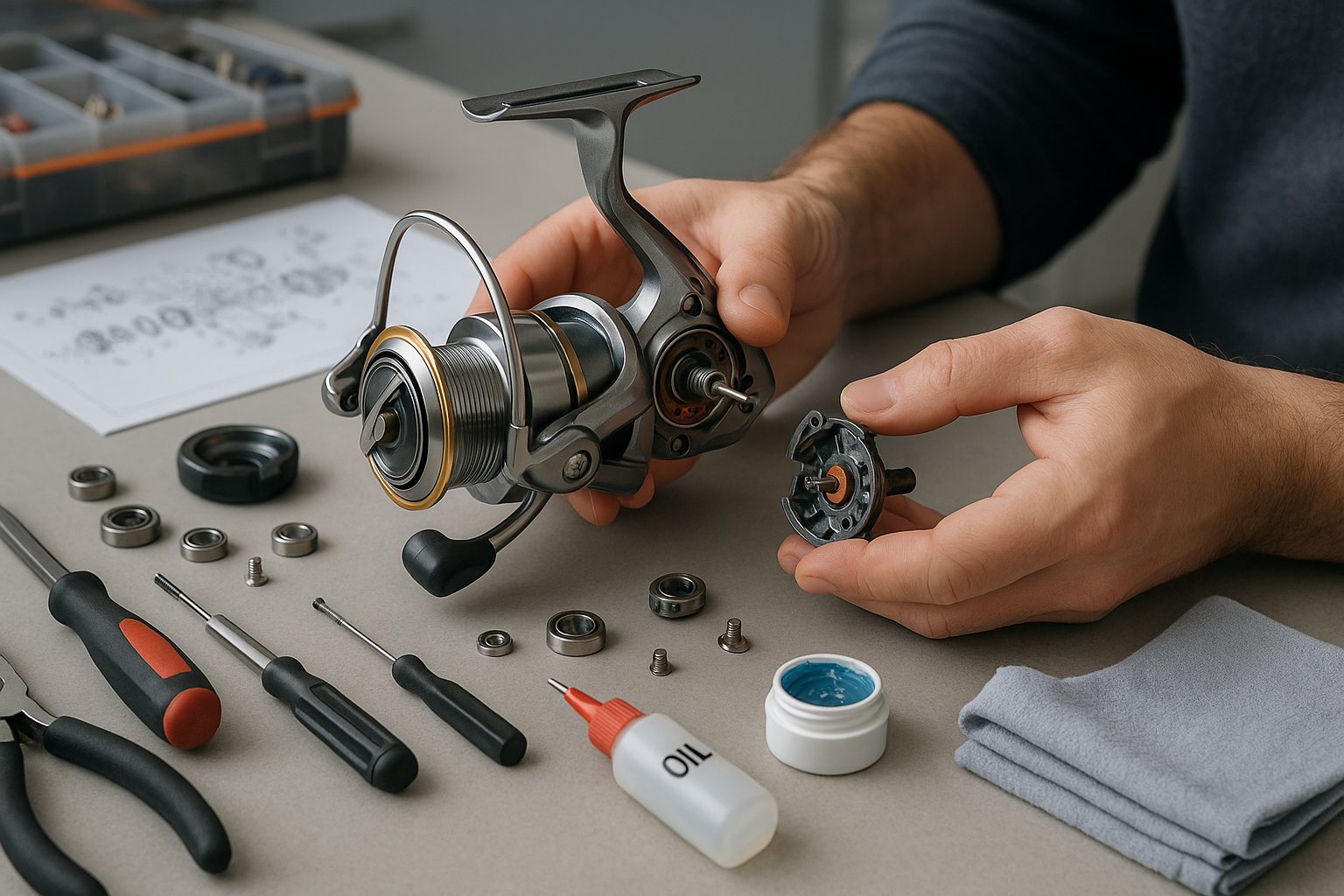
A reel that suddenly starts grinding, clicking, squealing, or rattling can ruin an otherwise great day on the water. And in most cases, a noisy reel isn't just annoying, it's a warning. If your reel makes noise, the sound usually points to a specific problem: dry bearings, worn gears, a misaligned spool, trapped grit, or a drag issue. The trick is knowing which sound means what.
We've found that most anglers ask the same questions: Why is my fishing reel noisy? Is it normal? Can I fix it myself? The good news is that many reel noise issues are minor and fixable with a careful cleaning, proper lubrication, and a quick inspection. The bad news? Ignoring the sound can turn a cheap maintenance job into an expensive repair.
In this guide, we'll break down the most common reel sounds, explain the likely causes, show how to fix a noisy reel, and help you spot when the damage is serious enough to stop fishing and service the reel properly.
Types of Reel Noises and What They Mean
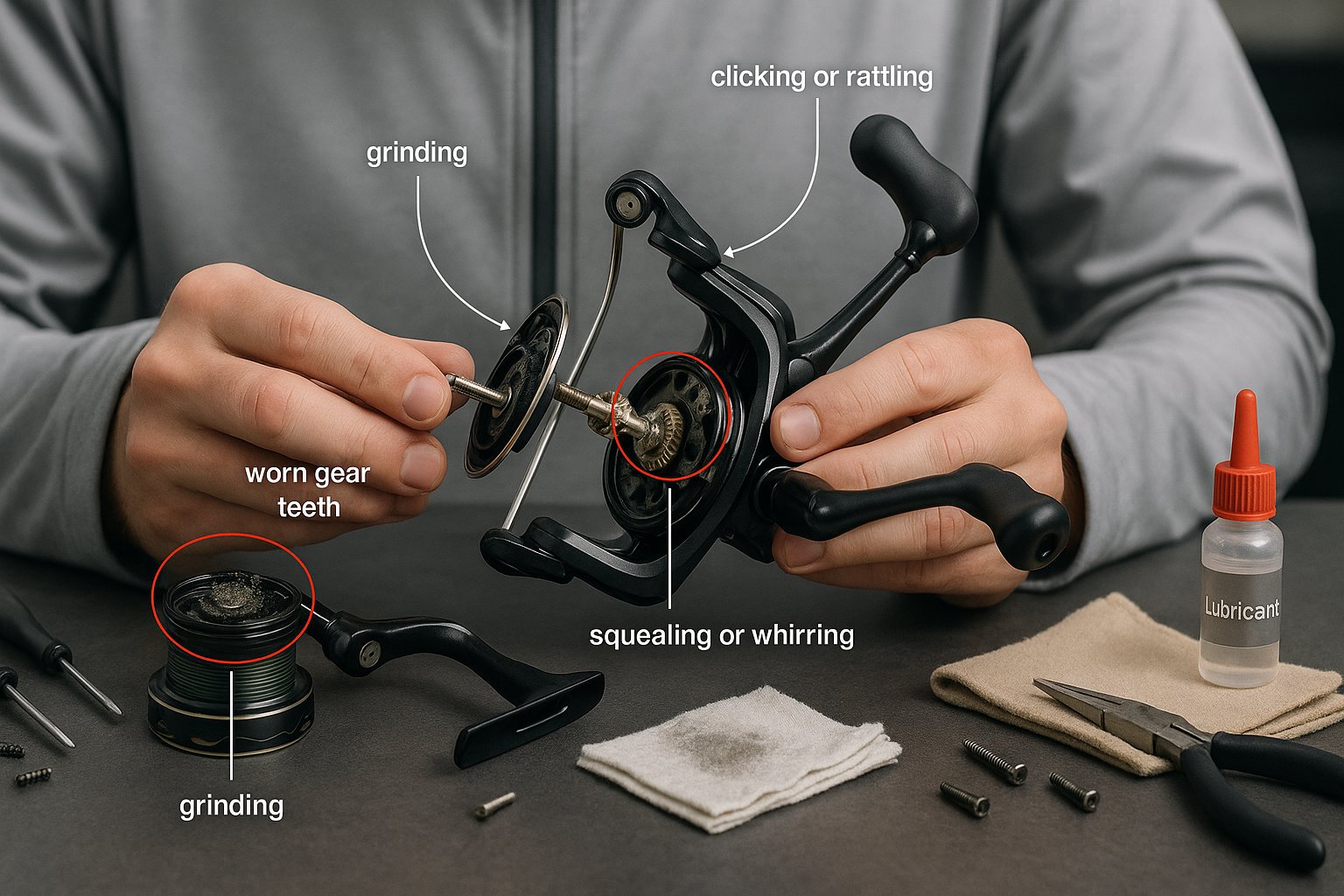
Not all reel sounds mean the same thing. A big part of solving a fishing reel noise problem is matching the sound to the likely failing part.
Grinding
Grinding is usually the sound anglers worry about most, and for good reason. It often points to contamination inside the reel or wear on the gears or bearings. If the reel feels rough as you turn the handle, and the noise is deep and coarse, we're usually dealing with dirt, sand, dried grease, or metal-on-metal contact where lubrication has broken down.
Clicking
Clicking can be normal or abnormal depending on when it happens. Some reels make a deliberate click from the anti-reverse system, drag, or line roller components. But if the clicking appears only during retrieve, especially under load, it can suggest a chipped gear tooth, loose handle assembly, or a bail-related issue on spinning reels.
Squealing or screeching
A high-pitched squeal almost always suggests friction from a dry moving part. Common suspects include spool shaft contact points, bearings, line rollers, and bushings that have lost lubrication. This sound tends to show up before complete failure, so it's worth addressing early.
Rattling
Rattling is often a loose hardware problem. Handle knobs, side plate screws, spool components, drag knobs, and bail arms can all vibrate when something has backed out slightly. The reel may still function, but the sound is your heads-up that tolerance is no longer where it should be.
Humming or whirring
A soft whir isn't always bad. Some reels naturally have a light mechanical hum, especially high-speed models. But if the sound gets louder over time, or starts feeling rough, the usual explanation is bearing wear or poor lubrication.
In short, the sound matters. When we listen carefully, the reel is usually telling us exactly where to start.
Common Causes of Noise
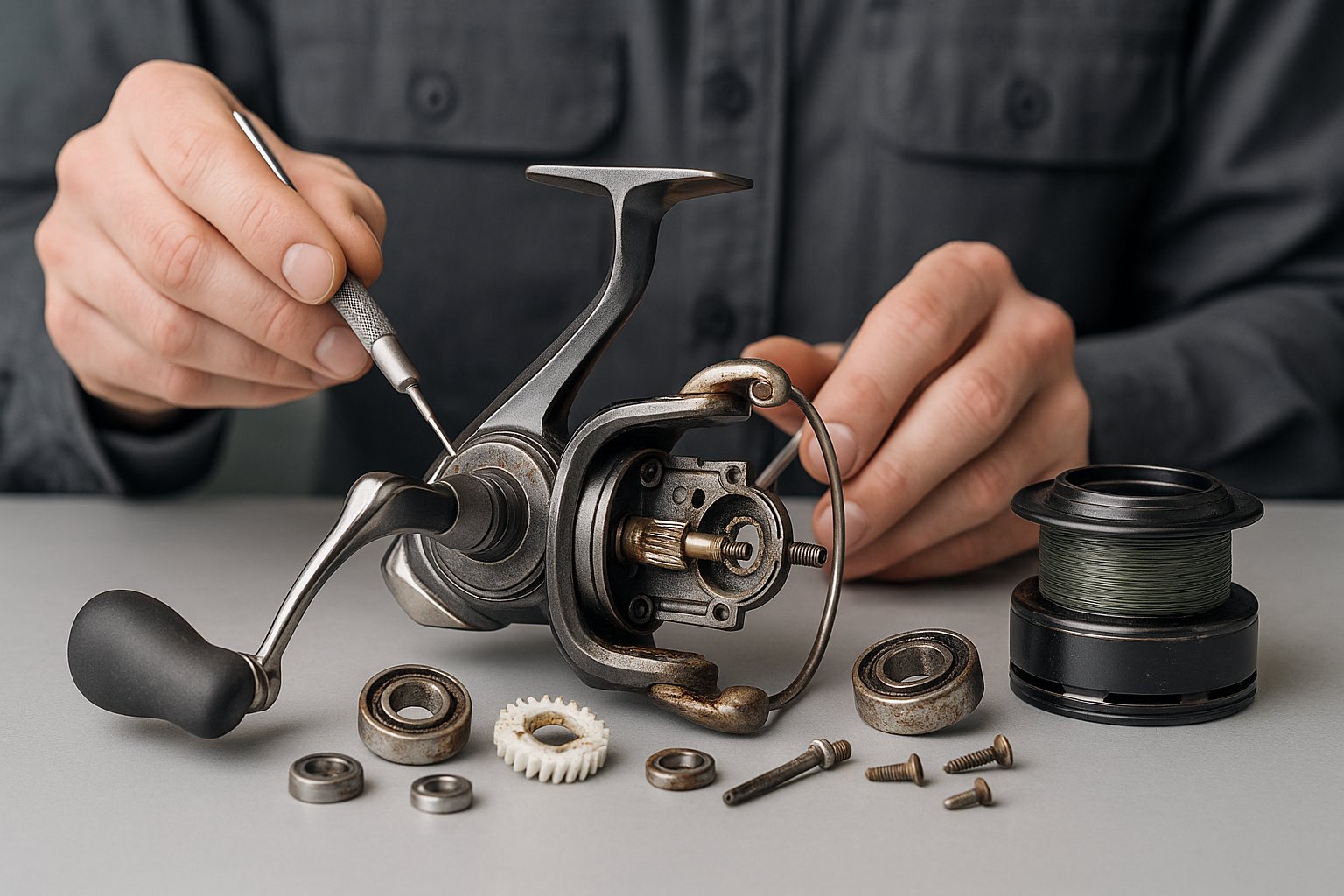
If you've been wondering why fishing reel is noisy, the answer usually comes down to one of a handful of recurring problems.
Dirt, sand, and old grease
This is the classic cause. Reels live in a rough environment, dust in the truck, grit on the bank, spray in saltwater, fish slime everywhere. Even a little contamination can create a rough retrieve. Old grease is just as bad. Over time it thickens, dries out, or traps debris, turning smooth gear engagement into a grinding mess.
Dry or failing bearings
Bearings are small, but they create big symptoms. When they dry out, corrode, or wear internally, the reel often develops a whining, grinding, or rough spinning sound. Saltwater use accelerates this quickly if the reel isn't rinsed and serviced properly.
Worn or damaged gears
Main gears and pinion gears take the brunt of force during retrieve. If a reel has been fished hard, cranked under heavy load, or reassembled incorrectly after service, the gear teeth can wear unevenly. That usually creates rhythmic clicking, roughness, or a crunchy feel that repeats through each turn of the handle.
Improper lubrication
More lube isn't always better. Too little oil or grease leads to friction and noise. Too much can attract dirt, migrate into the wrong parts, or gum up the internals. Using the wrong lubricant matters too. Thin oil on gears or heavy grease in high-speed bearings can make a good reel feel awful.
Loose or misaligned parts
A slightly loose screw, a bent bail wire, a spool sitting crooked, or a handle not fully tightened can all cause noise. These issues are easy to overlook because the reel may still cast and retrieve, just not quietly.
Drag and line roller issues
Sometimes the noise isn't coming from the body at all. A dry line roller can squeal loudly, especially with braided line under tension. A sticky drag stack can chatter or click in a way that sounds like internal damage, even when the gears are fine.
That's why diagnosis matters. The same "noisy reel" complaint can come from several very different causes.
How to Fix Each Issue
The best way to fix a noisy reel is to work from the simplest, least invasive checks to the deeper internal ones.
Start with an external inspection
Before opening anything, tighten the obvious points: handle, drag knob, side plate screws, spool retainer, and any visible hardware. Spin the handle and listen again. A surprising number of rattles and clicks disappear right here.
Next, remove the spool if your reel design allows it and inspect the spool shaft, line roller, and bail assembly. Look for wrapped line, grit, salt residue, or bent components.
Clean out contamination
If the reel was exposed to sand, muddy water, or heavy spray, contamination is a prime suspect. Wipe down the exterior first. Then, if you're comfortable servicing the reel, open it carefully and remove old grease and debris with reel-safe cleaner, cotton swabs, and a lint-free cloth. Don't blast random solvents into sealed areas and hope for the best, that can push grime deeper and strip needed lubrication.
Lubricate correctly
Apply reel grease to gears in a thin, even layer. Apply reel oil sparingly to bearings, handle knobs, line roller bearings or bushings, and other manufacturer-recommended points. This is where a lot of DIY jobs go sideways. If everything is dripping, we've used too much.
A dry line roller is one of the most common reasons a spinning reel suddenly starts squealing. One drop of proper oil after cleaning can make an immediate difference.
Replace bad bearings
If a bearing still feels rough after cleaning and oiling, replace it. We can test many bearings by removing them and spinning them by hand. If they feel gritty, bind, or sound rough, they're done. Bearing replacement is often one of the most effective solutions to a persistent fishing reel noise problem.
Inspect gears for wear
If the noise is rhythmic and remains after cleaning and lubrication, check the main and pinion gears. Look for chipped teeth, uneven wear patterns, or damage caused by poor gear mesh. Once a gear set is damaged, lubrication won't solve it. Replacement is the real fix.
Address drag and roller components
If noise appears only when line is under tension, inspect the drag washers and line roller. Clean the drag stack if the reel's service design allows it, and replace warped or contaminated washers. For the line roller, remove any trapped debris and lubricate or replace the bearing/bushing as needed.
Reassemble carefully
Many reels become noisy after incorrect reassembly. Parts installed backward, screws tightened unevenly, or shim washers placed in the wrong order can all create new sounds. If you're not fully confident, use the schematic for your exact reel model or have a professional service it.
In other words: clean first, lube correctly, replace what's actually worn, and don't guess during reassembly.
Preventative Maintenance Tips
The easiest way to deal with a noisy reel is to stop the noise from starting in the first place. Good maintenance doesn't need to be obsessive, but it does need to be consistent.
Rinse the right way
After saltwater use, lightly rinse the reel with fresh water. Lightly is the key word. We're not pressure-washing a driveway. High-pressure water can force salt and grit deeper into the reel body. A gentle rinse, followed by drying with a soft cloth, is safer.
Wipe down after every trip
Even freshwater reels benefit from a quick wipe-down. Mud splatter, algae, fish slime, and shoreline dust all add up. Taking thirty seconds after a trip can prevent the buildup that later causes grinding and squealing.
Lubricate on a schedule
Most anglers either overdo lubrication or ignore it until something sounds terrible. A better approach is a simple schedule based on use. Heavily used reels may need light touch-up lubrication every few trips and a full service at least once a season. Casual-use reels can go longer, but they still shouldn't be forgotten in a garage for two years and then expected to run perfectly.
Store reels properly
Storage matters more than people think. Don't leave reels wet in a sealed compartment or tossed in the back of a truck where dust and heat can do their thing. Store them dry, with the drag loosened for long-term storage, in a clean area away from extreme humidity.
Watch for early warning signs
A reel rarely goes from silent to destroyed overnight. Usually there's a transition: a faint tick, a little roughness, a subtle squeal on retrieve. Catching that early is how we avoid bigger repairs.
Service based on environment
If you fish surf, jetties, or brackish water, your maintenance interval should be shorter. Sand and salt are brutal. Reels used for heavy inshore or offshore fishing often need more frequent internal inspection than reels used occasionally in clean freshwater lakes.
Preventative care isn't glamorous, but it's cheaper than replacing a gear set, and a lot less frustrating than hearing your reel complain halfway through a bite window.
When Noise Means Serious Damage
Sometimes a noisy reel is just asking for a cleaning. Sometimes it's telling us to stop immediately.
Loud grinding with resistance
If the reel makes a harsh grinding noise and the handle feels resistant or uneven, don't keep cranking through it. That can turn a damaged bearing into a wrecked gear train. Resistance plus noise is one of the clearest signs that internal parts are already under stress.
Repeating clunk or hard click under load
A hard click that repeats during retrieve, especially while fighting a fish or pulling a lure with resistance, can mean gear tooth damage or anti-reverse issues. That's not a "fish one more trip and see what happens" problem.
Handle play and rough retrieve together
Some handle play is normal in certain reels, but if excess play appears with noise and roughness, internal wear is likely progressing. That combination often means tolerances have opened up because a component is worn, bent, or no longer seated correctly.
Noise after impact or submersion
If the reel became noisy right after being dropped, dunked, or hit hard, assume something moved, bent, or got contaminated. A full teardown may be necessary. Submersion is especially serious in saltwater. Corrosion can begin fast, even if the reel seems usable in the moment.
Metal shavings, black paste, or visible damage
If you open the reel and find metallic debris, gray-black paste from worn components, cracked teeth, or badly corroded bearings, the issue has gone beyond routine maintenance. At that point, replacement parts, or professional service, are the smart move.
The short version: if your reel makes noise but still feels smooth, it may be a maintenance issue. If it makes noise and feels rough, binds, slips, or knocks, treat it like real mechanical damage.
A good reel can last for years with timely care. But no reel gets quieter by being ignored. Listen early, diagnose carefully, and when the signs point to serious wear, stop fishing it and fix the root problem before the repair bill grows.
Fishing Reel Noise FAQs
Why is my fishing reel making grinding noises?
Grinding noises usually indicate contamination like dirt or sand inside the reel or worn gears and bearings. It means lubrication has broken down, causing metal-on-metal contact and rough operation.
What causes a fishing reel to squeal or screech?
A high-pitched squeal often results from friction due to dry or unlubricated moving parts such as spool shafts, bearings, or line rollers, signaling the need for proper lubrication before failure occurs.
How can I fix a noisy fishing reel myself?
Start by tightening loose screws and parts, clean out grit and old grease, then apply proper reel grease and oil sparingly to recommended areas. Replace worn bearings and inspect gears for damage if noise persists.
Is it normal for a fishing reel to click during use?
Some clicking is normal, caused by the anti-reverse mechanism or drag system. However, clicking during retrieve, especially under load, can indicate gear tooth damage, loose handle assembly, or bail issues needing attention.
What maintenance prevents fishing reels from making noise?
Prevent noise by rinsing reels gently after saltwater use, wiping them down after fishing, lubricating on a regular schedule based on use, storing reels dry with drag loosened, and servicing more frequently in harsh environments.
When does reel noise mean serious damage requiring professional repair?
Loud grinding with handle resistance, repetitive hard clicks under load, increased handle play with rough retrieve, noise after impact or submersion, and visible metal debris or damaged gears all signal serious internal damage needing professional service.
 Featured

