

Fishing Reel Drag System Not Working? Here’s How We Diagnose, Fix, and Decide What’s Worth Saving
Drag slipping or locking up mid-fight? Most reel drag problems come down to worn washers, contamination, or bad assembly. Here's how to diagnose and fix them—or know when to buy a new reel.
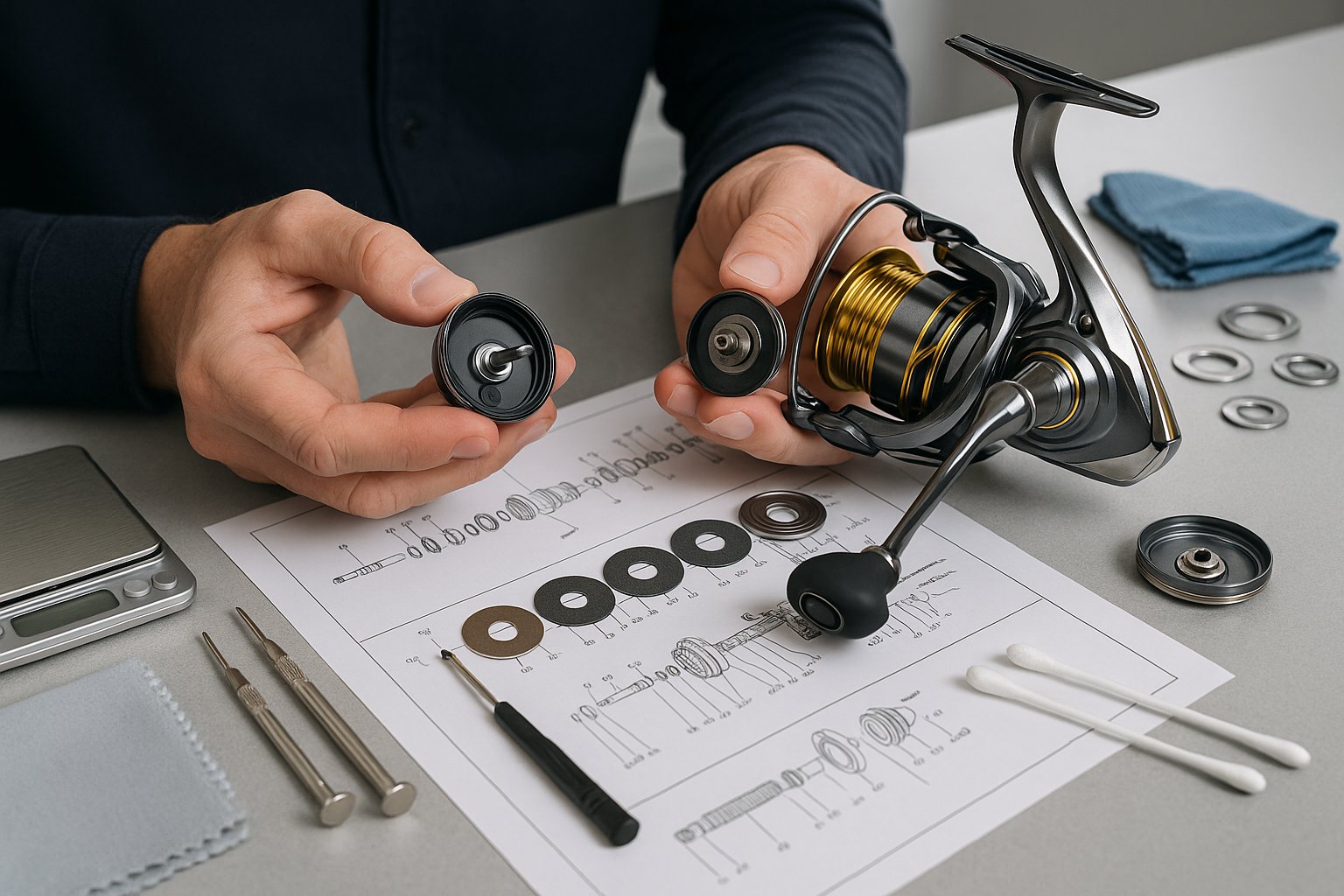
A drag system not working reel problem can turn a good day on the water into a frustrating one fast. One minute the spool should be giving line smoothly under pressure: the next it's locking up, slipping unpredictably, or doing… basically nothing. And when a fish runs, that inconsistency is exactly how lines snap, hooks pull, and confidence disappears.
The good news is that most fishing reel drag issues come down to a short list of causes: worn drag washers, contamination, incorrect assembly, heat damage, or plain old neglect. In many cases, we can identify the problem in a few minutes and fix it with basic tools. In others, the smarter move is to stop sinking time into repairs and replace the reel.
In this guide, we'll break down how drag works, explain why drag slips fishing reel setups often fail, walk through diagnosis, and cover practical repair steps so we can get back to smooth, controlled pressure where it belongs.
How a Drag System Works
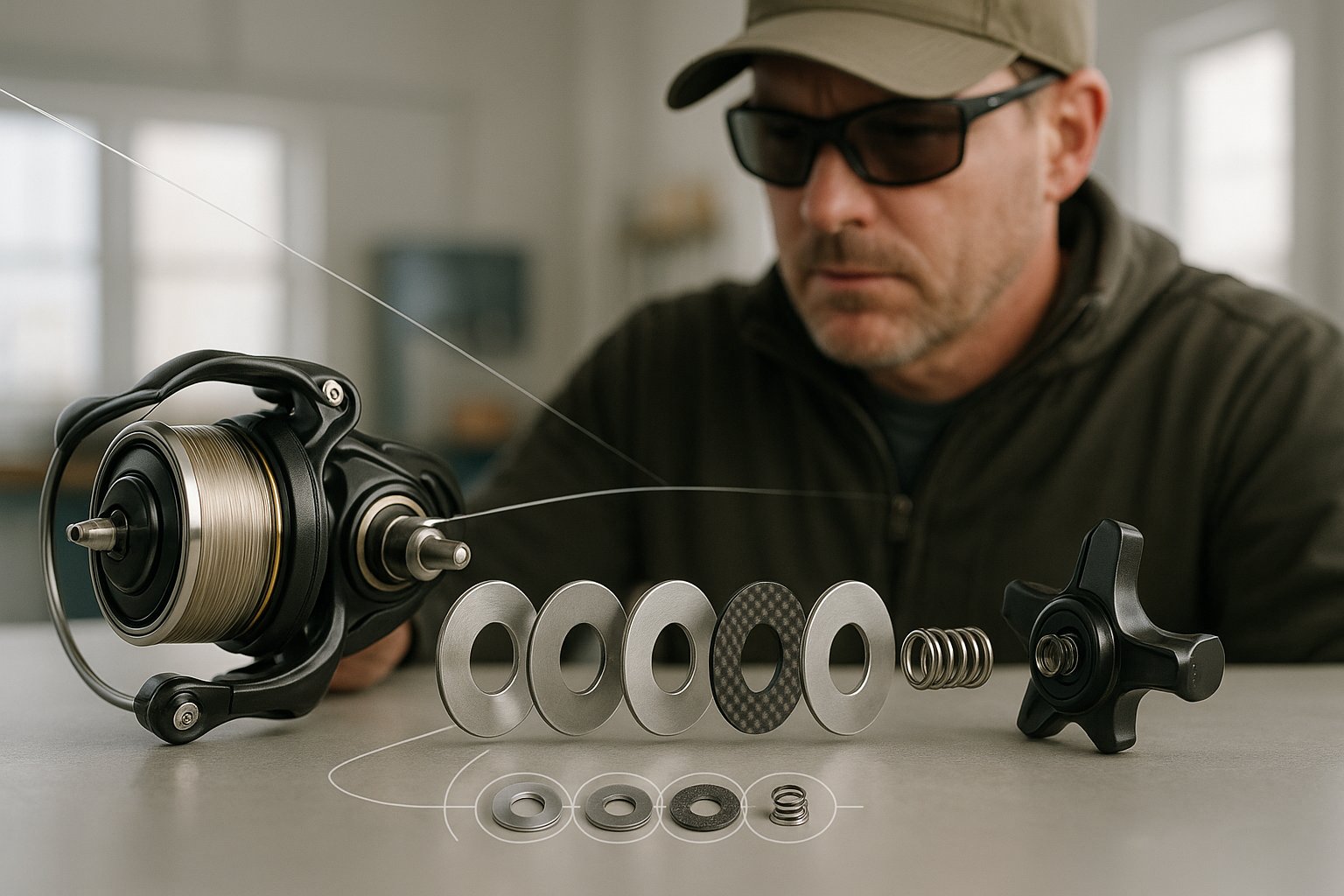
At its core, a reel's drag system is a controlled friction mechanism. Its job is simple: when enough force is applied by a running fish, the spool should release line smoothly instead of forcing the line or rod to absorb all that pressure. That smooth release protects our line, knots, hook hold, and rod.
Most spinning and conventional reels do this with a stack of drag washers, usually alternating friction washers and metal washers. Tightening the drag knob or star drag increases pressure on that stack. More pressure means more resistance before the spool slips. Less pressure means line comes off more easily.
Here's the part that matters in real-world troubleshooting: drag should not be either fully locked or randomly loose. It should apply consistent resistance through the spool's rotation. If it surges, sticks, chatters, or slips too easily, something in that friction stack or pressure system is wrong.
The main drag components
Most reel drag systems include:
-
A drag knob or star wheel that adjusts pressure
-
Metal drag washers
-
Friction washers made from felt, carbon fiber, composite, or similar material
-
A main gear or spool assembly that houses the stack
-
Springs, clickers, and retaining hardware that keep the system aligned
Different reel types place the drag in different locations. On a spinning reel, drag is often mounted in the spool. On a baitcaster or conventional reel, it's commonly tied into the main gear and star drag system.
What "good drag" feels like
A healthy drag feels smooth and progressive. When we pull line against the set drag, we should feel steady resistance with no jerking. If it hesitates and then suddenly dumps line, that's called start-up inertia or sticking. If it releases line far below the setting, we're dealing with slip. If it won't release line even at reasonable force, it may be overtightened, seized, or assembled incorrectly.
That basic understanding makes troubleshooting much easier. We're not just asking whether the drag works: we're asking whether it works smoothly, predictably, and under load.
Common Reasons Your Drag Fails
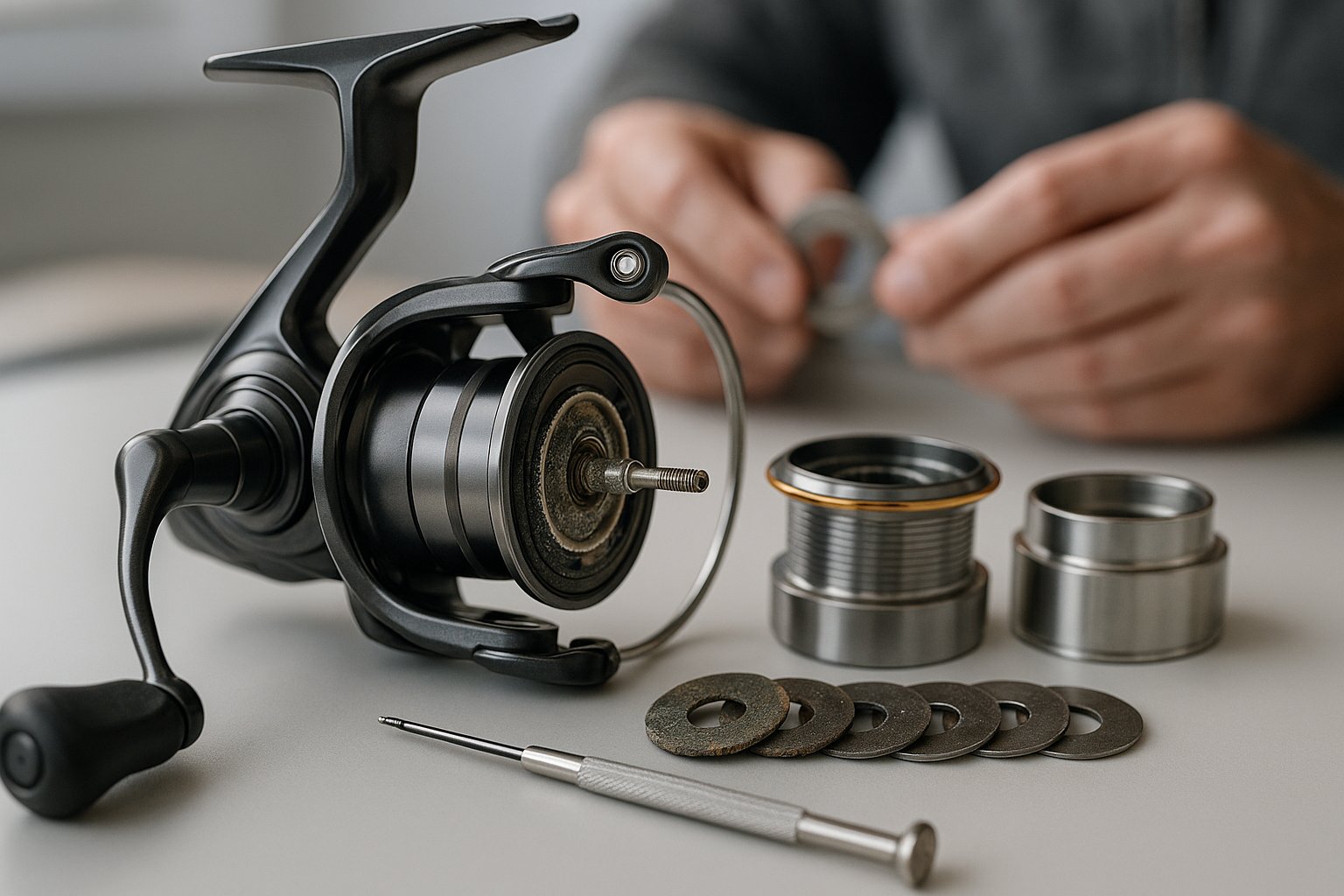
When we're dealing with a drag system not working reel issue, the cause is usually mechanical rather than mysterious. Reels live around water, grit, heat, pressure, and occasional abuse. Small problems stack up.
Worn or glazed drag washers
This is one of the biggest causes of fishing reel drag issues. Over time, friction washers wear down, harden, glaze over, or become uneven. Felt washers can compress and lose effectiveness. Carbon washers are tougher, but they can still burn, dry out, or become contaminated.
When washers wear, drag may slip under pressure or feel inconsistent through a run.
Contamination from water, salt, sand, or grease
Drag washers need the right surface condition to create predictable friction. If water gets into the spool, salt crystallizes, or grease migrates onto dry drag materials, performance drops. Sand or grit can also create jerky drag and score metal washers.
This is a common answer to the question why drag slips fishing reel systems after a beach trip or rough rinse: the drag stack is contaminated.
Incorrect lubrication
Not every drag washer should be greased the same way. Some materials are designed to run lightly greased: others are intended to stay dry. Using too much lubricant, or the wrong type, can make the drag slip badly. Using none where some is required can create chatter, sticking, and premature wear.
Improper assembly
A reel that was recently serviced and suddenly has drag trouble often points to assembly error. Washers may be installed in the wrong order, keyed washers may not seat properly, springs may be reversed, or a retaining clip may not be fully set. Even one misplaced part can ruin drag performance.
Heat damage from heavy runs
Long runs from strong fish create heat in the drag stack. If the reel has been pushed hard, especially with a tight drag and light maintenance, the washers can glaze or warp. Heat-damaged drag often feels smooth at first and then starts slipping more than it should.
Bent, corroded, or damaged internal parts
A bent spool shaft, corroded metal washer, worn gear face, or damaged click plate can interfere with pressure distribution. These are less common than washer wear, but they matter, especially on older or saltwater reels.
Over-tightening and storage habits
Leaving the drag fully tightened during storage compresses washers over time. That can flatten softer materials and reduce their ability to create even pressure. It's a small habit, but it causes a lot of long-term drag problems.
How to Diagnose Drag Issues
Before we start taking a reel apart, we want to narrow the symptom. A quick diagnosis saves time, avoids losing small parts, and tells us whether the problem is likely simple maintenance or a deeper repair.
Start with the symptom
Ask what the drag is actually doing:
-
Slipping too easily? Likely worn washers, contamination, or over-lubrication
-
Sticking and then surging? Often dry, dirty, or heat-damaged washers
-
Not tightening enough? Washer compression, missing parts, stripped adjustment threads
-
Locked up completely? Corrosion, seized components, incorrect assembly, or severe overtightening
Being specific helps. "The drag is bad" is vague. "It slips at every setting" tells us a lot more.
Perform a simple line-pull test
Thread line through the guides and pull steadily while adjusting the drag. We're looking for three things:
-
Whether resistance increases and decreases normally
-
Whether line comes off smoothly or in jerks
-
Whether the drag changes unpredictably mid-pull
If we have a spring scale or digital luggage scale, even better. We can compare actual drag pressure against the setting we expect. Big mismatch? That points to internal wear or setup errors.
Check the obvious external causes
Sometimes the issue is not deep inside the reel at all. Make sure:
-
The drag knob or star drag is actually engaging threads correctly
-
The spool is seated fully
-
There's no line trapped under the spool lip or around the shaft
-
The reel hasn't taken an impact that bent visible parts
Also inspect the line. Superline digging into itself on the spool can mimic drag trouble because line sticks before releasing suddenly.
Listen and feel
A rough, sandy sound during drag payout suggests contamination. A clicking loss of tension may indicate a damaged spring or worn adjustment interface. If the spool feels grabby at one point and loose at another, we may be looking at warped washers or uneven pressure surfaces.
Open the reel only as far as necessary
If external checks don't explain the issue, remove the spool or side plate and inspect the drag stack carefully. Lay parts out in exact order. Take a photo before touching anything, seriously, it saves headaches.
Look for:
-
Darkened or burnt washers
-
Flattened felt
-
Corrosion on metal washers
-
Excess grease or oil
-
Missing spring washers or clips
-
Incorrect washer orientation
That inspection usually reveals the real answer. Most drag failures leave visible clues if we slow down enough to look.
Step-by-Step Fix Guide
Once we know the likely cause, we can move to repair. For many reels, this is a straightforward bench job. We don't need a machine shop, just patience, a clean workspace, and the right parts.
1. Gather tools and parts
Set out small screwdrivers, tweezers, cotton swabs, a parts tray, reel-safe cleaner, drag grease if required, and replacement washers if the originals are worn. If the manufacturer provides a schematic, use it. It's the difference between confidence and guessing.
2. Disassemble carefully
Remove the spool or side plate and access the drag stack. Lay every part down in order from top to bottom. Don't mix up keyed washers, eared washers, spring washers, and friction discs. Some look annoyingly similar.
If we're working on a spinning reel, the drag stack is usually simple and spool-based. If it's a baitcaster or conventional reel, the drag may be deeper in the gear side and require more care.
3. Clean every drag component
Wipe away old grease, grime, salt residue, and debris. Use reel-safe cleaner sparingly. Metal washers should come clean and smooth. Friction washers should be inspected, not aggressively scrubbed to death.
If a felt washer is soaked, swollen, torn, or compressed flat, replace it. If a carbon washer is burnt, frayed, or polished slick, replace it too.
4. Inspect for damage
Check metal washers on a flat surface. If one is warped, rust-pitted, or scored, it won't apply pressure evenly. Inspect adjustment threads, springs, retaining clips, and contact points for wear or corrosion.
This is where many fishing reel drag issues become obvious. The reel may not need a full rebuild, just one or two bad drag parts replaced.
5. Lubricate correctly
This matters. Some carbon drag systems benefit from a very light coat of drag grease. Felt systems may use a different approach depending on the reel design. Follow manufacturer guidance whenever possible.
The rule is simple: light and intentional. If grease is squishing out everywhere, we used too much. And if we're unsure whether a washer should run dry or greased, check the schematic or service notes before guessing.
6. Reassemble in exact order
Put the stack back together exactly as designed. Orientation matters. Spring washers, especially, can completely change drag behavior if installed incorrectly. Refit clips securely and make sure the drag adjuster turns smoothly through its range.
7. Test before fishing
Do another line-pull test. Increase and decrease drag pressure several times. We want smooth startup, steady resistance, and no random slipping.
If the reel still acts up after cleaning and replacing washers, the problem may be deeper, damaged gears, bent spool parts, thread failure, or corrosion in structural components.
A few practical fixes by symptom
-
Drag slips at all settings: replace contaminated or worn washers: inspect adjustment hardware
-
Drag sticks, then releases suddenly: clean stack, check for glazing, lightly grease if appropriate
-
Drag won't tighten enough: inspect compressed washers, stripped threads, missing spring components
-
Drag won't loosen properly: look for seized corrosion, misassembled stack, or bent hardware
Most of the time, fixing why drag slips fishing reel setups comes down to restoring the drag stack to clean, flat, correctly assembled condition. That's the heart of it.
When to Repair or Replace Your Reel
Not every reel deserves a full rescue mission. Sometimes a simple drag service brings it back to life for years. Sometimes we're throwing parts and time at a reel that's already on its last legs.
A repair usually makes sense when:
-
The reel is mid-range or premium quality
-
Replacement drag washers are easy to find
-
The issue is isolated to the drag stack
-
Gears, frame, spool, and handle assembly are still solid
-
We're comfortable doing the labor ourselves
In those cases, a drag refresh is cost-effective. A new set of washers, correct lubrication, and proper assembly can make a reel feel dramatically better.
Replacement becomes the smarter move when:
-
The reel has severe corrosion beyond the drag
-
Key parts are discontinued or unavailable
-
The frame or gear train is damaged
-
Repair cost approaches the price of a better new reel
-
The reel has repeated failures after service
There's also the performance question. If we fish hard, saltwater, heavy braid, big fish, lots of runs, it may be worth upgrading to a reel with a stronger carbon drag system and better sealing. That's not just about convenience: it's about consistency under load.
A good rule: if the reel is structurally sound and the problem is clearly in the washers or drag hardware, repair it. If the reel has multiple system failures, creeping corrosion, and questionable parts support, replace it and move on.
In the end, a drag system not working reel issue is only frustrating when we treat it like a mystery. Most of the time, it isn't. Understand how the drag works, identify the exact symptom, inspect the washer stack, and fix what's actually worn or contaminated. And if the reel is too far gone? We don't owe every reel a heroic comeback story.
Frequently Asked Questions About Drag System Not Working on Reels
What causes a drag system not to work properly on a fishing reel?
Common causes include worn or glazed drag washers, contamination from water or sand, incorrect lubrication, improper assembly, heat damage, and damaged internal parts. These issues affect the smooth, consistent resistance the drag system should provide.
How can I diagnose if my fishing reel drag is slipping or sticking?
Perform a line-pull test, observing if resistance changes smoothly and line comes off without jerks. Listen for rough sounds or inconsistent drag feel. Check if the drag knob and spool are properly seated, and inspect for visible contamination or damage before disassembling.
What maintenance steps can fix a fishing reel drag that is slipping or not working smoothly?
Clean and inspect the drag washers and stack, replace any worn or damaged washers, apply the correct type and amount of lubricant, and reassemble the drag components carefully in the correct order. Testing the drag after servicing ensures smooth, consistent pressure.
Why does over-tightening the drag during storage cause problems?
Over-tightening compresses the drag washers, especially softer materials like felt, flattening them over time. This reduces their ability to create even pressure, leading to uneven drag performance and possible slipping or sticking when fishing.
When should I consider replacing my fishing reel instead of repairing the drag system?
Replace the reel if it has severe corrosion, damaged frame or gear train, unavailable replacement parts, repeated drag failures after servicing, or if repair costs approach the price of a better new reel. Upgrading may also be wise for heavy-duty or saltwater fishing needs.
How does heat damage affect a reel’s drag system performance?
Heat generated during long runs can glaze or warp drag washers, causing the drag to feel smooth initially but then slip excessively under pressure. Heat damage reduces the effectiveness of the friction materials, compromising consistent line release.
 Featured

