

Fishing Line Keeps Breaking? Here’s How We Fix the Real Problem
Fishing line almost never breaks randomly—it fails due to abrasion, worn guides, poor knots, shock loads, or mismatched gear. Abrasion from rocks, shells, or dock posts creates tiny nicks that weaken line. Damaged rod guides act like sandpaper on every cast. An improperly set drag—too tight or jerky—transfers sudden force directly to the line. Poor knot tying can cut line strength dramatically. To prevent breakoffs: inspect line frequently for roughness, retie after fish and snags, check guides with a cotton swab, set drag at 25–33% of line strength, and match line type to your fishing environment. Small habits turn "random" breaks into predictable landings.
Nothing kills momentum on the water faster than a sudden snap. One second we're fighting a fish, working a lure through cover, or making what feels like the perfect cast. The next, the line parts, and we're left staring at a limp rod tip and wondering what went wrong.
If your fishing line keeps breaking, the issue usually isn't random bad luck. In most cases, there's a pattern: weakened line, mismatched gear, friction points, poor knot tying, or simple technique errors that add more stress than the setup can handle. And once we know where the failure starts, it gets much easier to stop it.
In this guide, we'll break down the most common line break causes, how equipment and technique affect reliability, and the smartest ways to build a setup that lasts. Whether we fish with mono, fluorocarbon, or braid, understanding why fishing line snaps is the first step toward landing more fish and losing fewer rigs.
Common Reasons Fishing Line Breaks
When we ask why a line failed, the first thing to remember is this: fishing line rarely breaks for no reason. It almost always breaks because it has been weakened, overloaded, or damaged at one specific point.
A big culprit is abrasion. Line rubbing against rocks, dock posts, shell beds, timber, bridge pilings, or even rough fish mouths can create tiny nicks we barely notice. Those small scars matter. A line that should handle a fish comfortably can suddenly fail under far less pressure once its outer surface is compromised. This is especially common when we fish around heavy cover or drag line across structure all day.
Another major cause is sun, heat, and age. Monofilament, in particular, can degrade over time from UV exposure and repeated use. Fluorocarbon holds up better in some situations, but it can still become stressed and brittle if stored poorly or used too long. Braid lasts longer overall, yet it's not immune: fraying near guides, leaders, or high-contact areas will eventually turn into a break.
Then there's knot failure, which many anglers mistake for random breakage. If the knot slips, burns from friction, cinches unevenly, or was tied in the wrong style for that line type, the line becomes much weaker right where we need it strongest. A poorly tied knot can cut line strength dramatically.
We also see breakage from shock load. That happens when sudden force spikes through the line, on an aggressive hookset, a hard cast with too-tight drag, a snag pulled straight back, or a fish making a violent surge at close range. Even a line rated well above the fish's weight can snap if stress hits all at once.
And finally, line can fail because the test simply doesn't match the job. Light line has its place, but if we're throwing into thick cover, around abrasive structure, or targeting powerful fish, underpowered line is asking for trouble. If we want fewer lost fish and lures, diagnosing these basic failure points is where we start.
Equipment-Related Causes
Sometimes the problem isn't the line itself. It's the gear the line passes through.
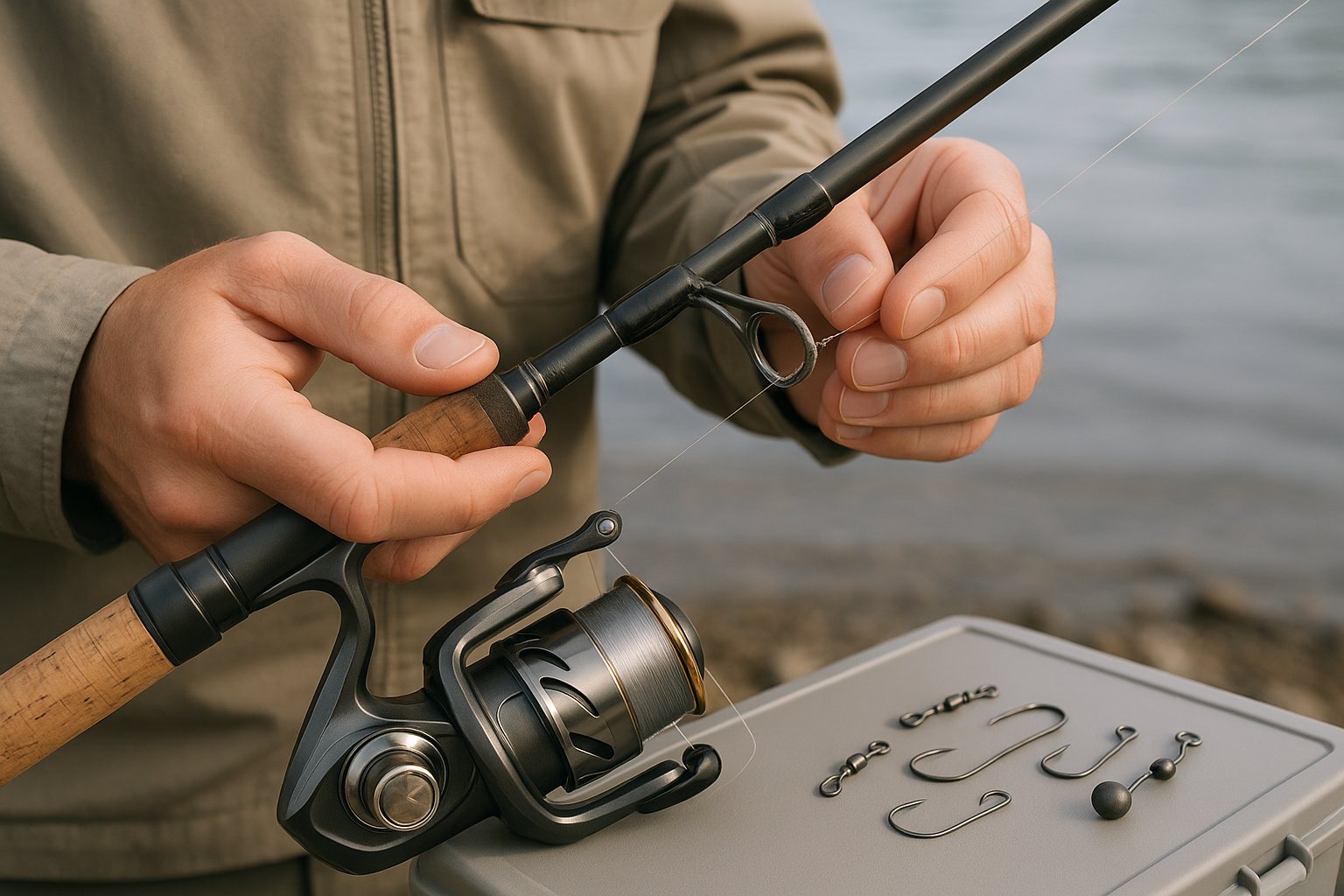
A classic example is a damaged rod guide. One tiny crack in a ceramic insert, or even a rough metal edge, can act like sandpaper. On every cast and retrieve, the line rubs that spot until it frays and parts. This is one of the most overlooked answers to why fishing line snaps, especially when the break seems to happen repeatedly during casting. Running a cotton swab or a piece of pantyhose through each guide can reveal hidden cracks: if fibers catch, the guide may be the issue.
The reel can create problems too. An improperly set drag is a huge one. If the drag is locked down too tightly, the line takes the full force of a run instead of slipping smoothly. That's when breakoffs happen near the hook or knot. On the other hand, a jerky drag system can create uneven bursts of pressure, which are almost as bad as a drag that's too tight.
Spooling mistakes also matter. Overfilled spools can cause line to jump off in coils, tangle, and weaken itself. Underfilled spools reduce casting performance and can change how line lays under pressure. Braid spooled without enough backing or tension may dig into itself on the reel, then bind during a hard cast or hookset. Mono and fluorocarbon put on with too much twist can develop loops and weak spots.
We should also look at line-to-lure hardware. Cheap swivels, rough snap edges, bent hook eyes, and poorly finished jig heads can all nick line. So can leader connections that are bulky or poorly tied. If the same bait keeps producing breakoffs, inspect every metal contact point before blaming the line.
Even the rod power and action affect durability. A rod that's too stiff for the technique transfers more sudden force into the line. That's not always bad, but paired with light line or a tight drag, it can create a recipe for failure. In contrast, a rod with a bit more forgiveness absorbs shock better and helps protect knots and leaders.
If our fishing line keeps breaking in ways that seem mysterious, checking the full setup, guides, reel, drag, spool condition, hardware, and rod characteristics, often reveals the hidden mechanical cause.
Technique Mistakes
Even with good gear and fresh line, technique can sabotage us.
The most common mistake is setting the hook too hard for the setup. With braid, especially, there's very little stretch. That's great for sensitivity, but it also means an explosive hookset can shock the system instantly. If we're using a short leader, light-wire hook, or moderate-strength knot, all that force lands in one place. The result: snap.
Another mistake is fighting fish at the wrong angle. When we high-stick a rod, lifting it too steeply while trying to control a fish, we create extra strain on both rod tip and line. Keeping the rod at a stronger angle and using the rod's bend properly spreads pressure more evenly.
Then there's pulling directly against snags. We've all done it. The lure hangs, frustration kicks in, and we yank straight back. That direct pull sends maximum tension into the weakest section of line. A better move is changing the angle, moving the boat if possible, or applying steady pressure rather than a violent snap. If a break is unavoidable, we should pull in a controlled, safer direction rather than toward our face or body.
Casting errors can also create breakoffs. Trying to launch a lure that's too heavy for the rod or line can overload the system before the bait even hits the water. So can abrupt, whip-like casts with worn knots or frayed leaders. On spinning gear, closing the bail by cranking instead of by hand can add line twist over time, which contributes to tangles and weak spots.
A subtler issue is not rechecking the line during the day. After catching fish, dragging bottom, or rubbing structure, line strength changes. If we don't run our fingers over the first few feet of line and retie when it feels rough, we're basically gambling. Many breakoffs blamed on "bad line" were really just ignored abrasion.
Technique also includes drag discipline. Some of us set it once and never touch it again, even when changing lure weight, cover, or species. But drag should match the situation. A fish boatside with a short line can hit much harder than one making a long run, and if the drag doesn't give, the line might.
So yes, gear matters, but how we cast, set the hook, manage snags, fight fish, and check line condition often decides whether the setup holds or fails.
How to Prevent Line Breaks
If we want to know how to prevent line break, the answer is usually a series of small habits rather than one magic fix.
Start with inspection. Before each trip, and a few times during it, run the line between our fingers. If it feels rough, flattened, curly, nicked, or faded near the business end, cut back and retie. That simple habit prevents a surprising number of failures.
Next, retie more often than feels necessary. After a fish, after a snag, after dragging a bait through rock, and anytime the knot looks questionable, retie. It takes a minute. Losing a fish of the day takes longer to get over.
We should also use the right knot for the line type and tie it carefully. Wet the knot before cinching to reduce friction. Tighten it smoothly. Trim tags cleanly, but not absurdly close if the knot style benefits from a little insurance. Braid, mono, and fluorocarbon do not all behave the same, so one "favorite knot" isn't always best across every setup.
Then check the drag setting before we start fishing. A common rule of thumb is roughly a quarter to a third of the line's breaking strength, though real-world conditions matter. The key is smooth release under pressure. We want the drag to protect the line, not challenge it.
Storage matters too. Keep spare line out of excessive heat and direct sun when possible. Don't leave old mono baking in a truck for months and expect peak performance. Replace line on a sensible schedule based on how often we fish and where we fish.
For casting and fish-fighting, focus on controlled pressure. Match lure weight to rod rating. Avoid violent hooksets unless the technique truly calls for it. Let the rod and drag do some of the work. With snags, change angles before pulling hard.
Finally, inspect the whole system: rod guides, spool lip, leader knots, snaps, swivels, and hook eyes. Preventing breakoffs is rarely about one dramatic change. It's the accumulation of smart maintenance and cleaner execution. That's the real answer to how to prevent line break consistently, not just occasionally.
Choosing the Right Line for Durability
The best line for durability depends on where and how we fish. There isn't one perfect answer, but there is a best fit.
Monofilament is forgiving, affordable, and easy to manage. Its stretch can help absorb shock, which reduces sudden breakoffs during hard strikes or surging runs. That makes it useful for moving baits, topwater, and general-purpose fishing. The tradeoff is lower abrasion resistance than some alternatives and faster degradation over time.
Fluorocarbon offers low visibility underwater and solid sensitivity, and many anglers like it for bottom-contact techniques. It generally resists abrasion well, but it can be less forgiving than mono and more prone to knot problems if tied carelessly. If we use fluorocarbon, good knots and frequent inspection matter a lot.
Braided line gives us excellent strength for its diameter, long casting distance, and very high sensitivity. Around vegetation, it shines. But braid has almost no stretch, so it transfers force fast. That means rod choice, drag setting, and leader quality become more important. Braid can also fray against sharp structure if we ignore wear.
Diameter matters as much as pound test. Some lines break below labeled strength, some above, and abrasion performance can vary widely by brand and model. So instead of choosing line by label alone, we should think about the actual conditions: open water or heavy cover, clear water or dirty, finesse presentations or power fishing, toothy fish or soft-mouthed species.
A practical approach looks like this:
-
Use lighter, manageable line when stealth and lure action matter most.
-
Step up to heavier or more abrasion-resistant line around rocks, wood, docks, and dense cover.
-
Consider braid with a leader when we want casting performance and sensitivity with added protection or invisibility at the business end.
-
Don't under-test line just to gain distance if the environment is rough.
If our fishing line keeps breaking, the solution may simply be that we're asking the wrong line to do the wrong job. Durable setups come from matching line type, diameter, and strength to the conditions, not from hoping one spool can cover every situation.
In the end, fewer breakoffs come down to awareness. We inspect more, retie sooner, set our drag intelligently, and match line to the environment. Once we do that, those "random" failures stop feeling random at all, and we spend a lot more time fighting fish instead of wondering where the lure went.
Frequently Asked Questions About Fishing Line Breaking
Why does my fishing line keep breaking unexpectedly?
Fishing line usually breaks due to abrasion, weakened spots from sun and age, poor knot tying, shock loads from sudden force, or using a line not suited for the fishing conditions. Inspecting and maintaining your gear can help prevent unexpected breaks.
How can I prevent my fishing line from breaking around rough structures?
To avoid line breaks near abrasive structures, use abrasion-resistant line like fluorocarbon or braid, inspect the line regularly for nicks, retie knots often, and match your line strength to the fishing environment to reduce wear and tear.
What role do fishing rod guides play in line breakage?
Damaged or cracked rod guides can act like sandpaper, causing the line to fray and break. Regularly check guides by running a soft fabric through them to detect rough spots and repair or replace any damaged guides to protect your line.
Can improper drag settings cause my fishing line to snap?
Yes, setting the drag too tight restricts line release under pressure, leading to sudden stress and line breakage. Aim for drag at about a quarter to a third of the line’s breaking strength for smooth pressure release and longer line life.
How does fishing technique affect the durability of my fishing line?
Techniques like aggressive hooksets, fighting fish at steep angles, or violently pulling snags can create shock loads that break line. Using controlled pressure, proper rod angles, and careful snag management preserves line strength during fishing.
What type of fishing line is best to reduce frequent breakage?
Choosing the right line depends on conditions: monofilament offers shock absorption but less abrasion resistance; fluorocarbon is abrasion-resistant and low-visibility; braided line provides strength and sensitivity but less stretch. Match the line type and strength to the environment for durability.
 Featured

