

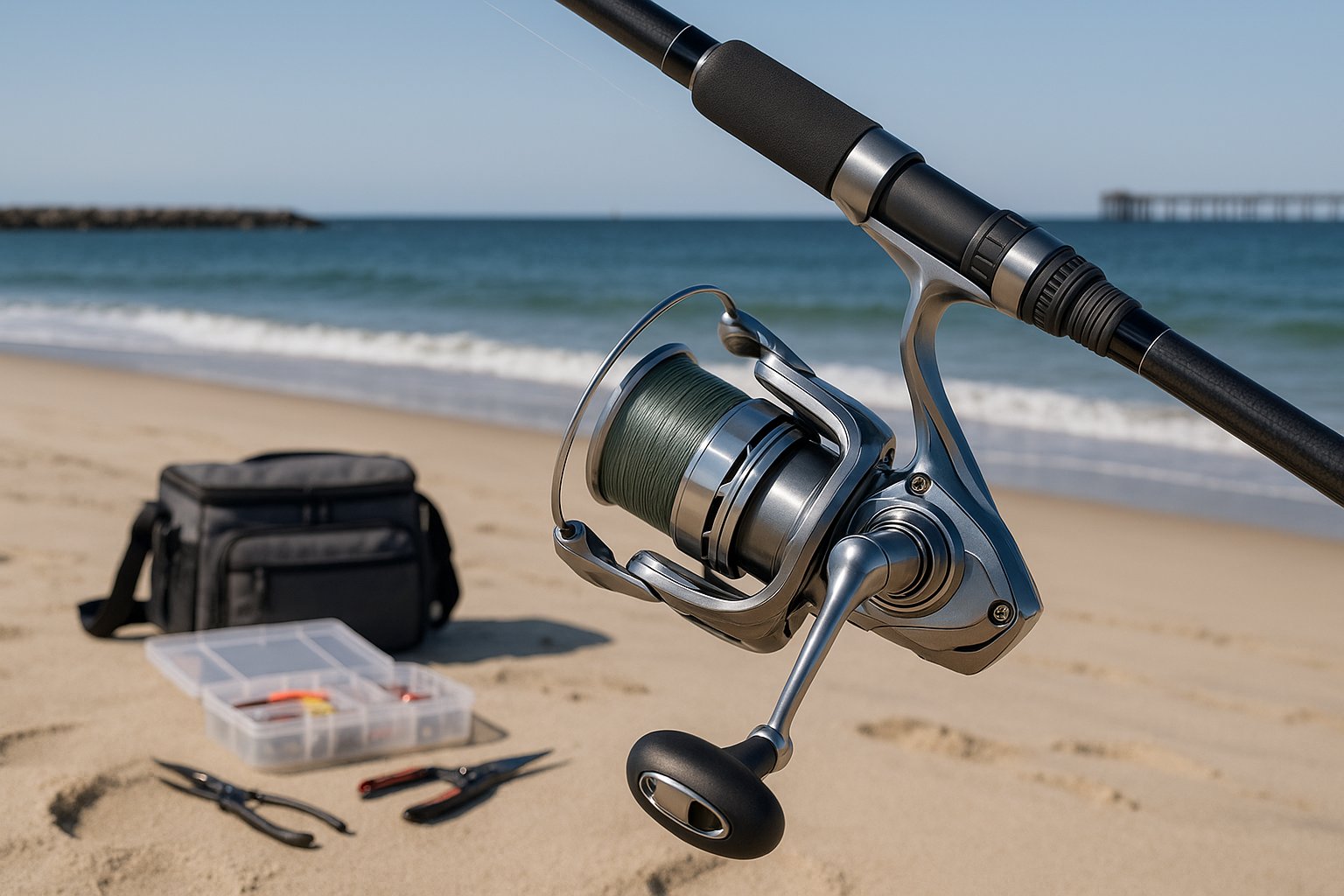
Walk into any tackle shop and it's easy to get overwhelmed by reel choices. Bigger spools, higher gear ratios, sealed drags, braid-ready designs, every label seems to promise longer casts and more fish. But when we're picking a reel for shore fishing, the decision is a little different than it is for boat, dock, or kayak anglers. From the beach, pier, jetty, or open bank, we usually need to cast farther, manage more line, and deal with wind, sand, current, and salt.
That means the best reel isn't always the most expensive one or the biggest one on the shelf. It's the reel that fits the way we fish from shore: the species we target, the weight we throw, and the water in front of us. In this guide, we'll break down what really matters in a shore reel, how to build a balanced shore fishing setup, and which reel sizes make the most sense for different situations.
What Makes Shore Fishing Different
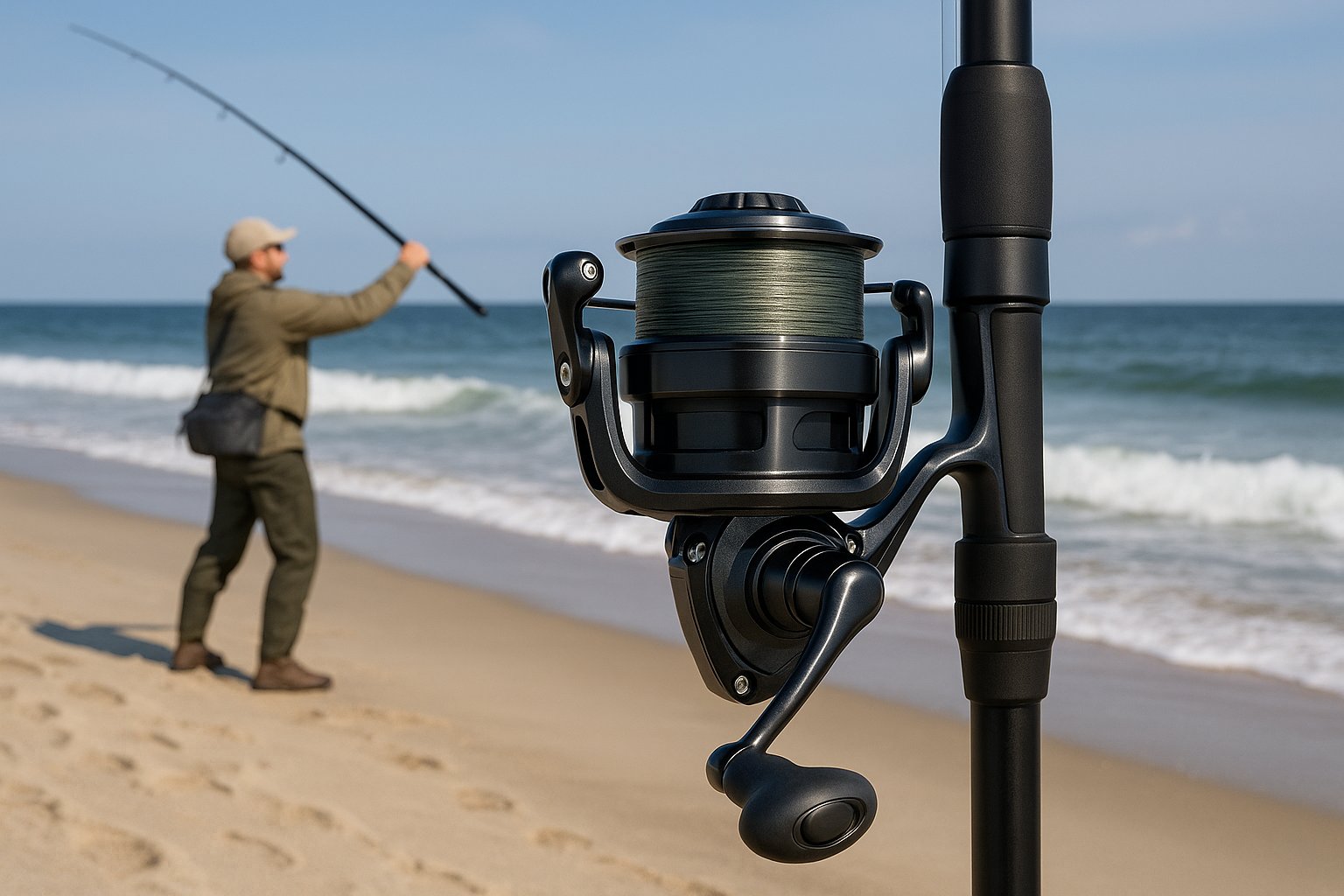
Shore fishing asks more from a reel than a lot of anglers realize. We're not just dropping a bait straight down or making short, easy casts to visible structure. Most of the time, we're trying to cover water from a fixed position. That changes everything.
First, distance matters. Not always, but often enough that it becomes a core part of the equation. Fish may be feeding beyond the near wash, outside a trough, past a sandbar, or along current seams we simply can't reach with a compact reel and a shallow spool. A reel for shore fishing has to help us cast efficiently without turning every long cast into a messy backlash of line twist, wind knots, or drag-heavy release.
Second, line management matters more from shore. We often fish in wind, deal with side current, and make repeated long casts. Every one of those conditions exposes weaknesses in a reel. A reel that lays line poorly, oscillates unevenly, or struggles with braid can feel acceptable on short casts and then become frustrating fast from the beach.
Then there's the environment. Sand is brutal. Salt is worse. Add both together and a cheap reel with weak sealing or loose tolerances can start feeling rough in a hurry. Even freshwater bank anglers face similar issues in a different form: dirt, grit, mud, weeds, and repeated exposure to shoreline debris. So durability isn't a luxury feature here, it's part of basic usability.
We also need to think about leverage and fish control. From shore, we can't always chase a running fish with a motor. If a redfish, striped bass, snook, bluefish, or surf perch runs down-current, our reel's drag and line capacity suddenly matter a lot more. The same is true in freshwater when we're targeting catfish, carp, pike, salmon, or steelhead from the bank.
That's why the best reel for beach fishing usually reflects practical compromises. We want enough spool size for distance and capacity, enough drag for control, enough sealing for survival, and enough comfort that we can cast it all day. Shore fishing is simple in one sense, we're standing on land, but gear-wise, it's rarely as basic as it looks.
Key Features for Shore Reels
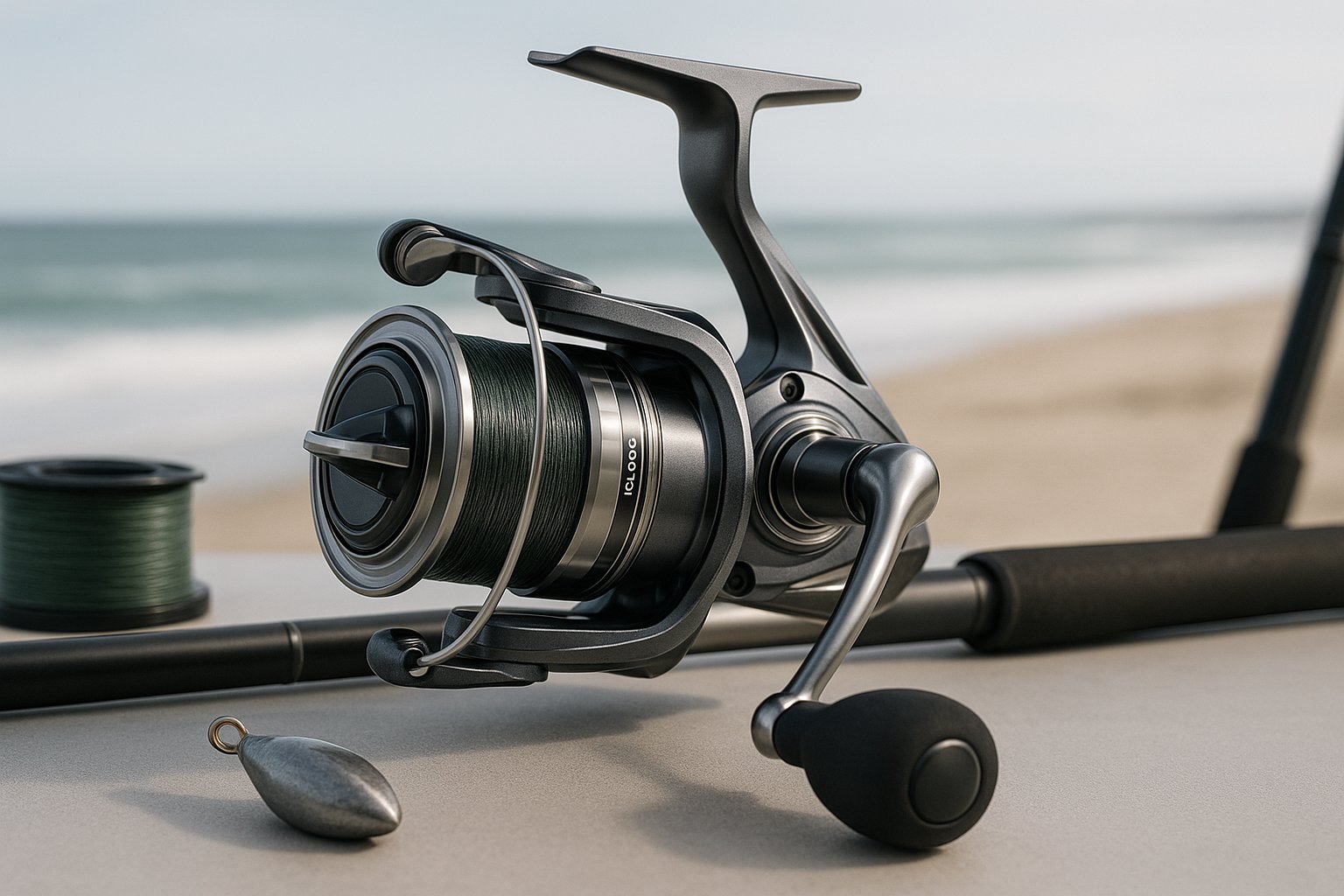
If we strip away the marketing, a few reel features matter far more than the rest for a solid shore fishing setup.
Spool design is near the top of the list. A longer, wider spool generally lets line peel off with less resistance, which helps with casting distance. That's one reason spinning reels dominate shore fishing. They're easy to use, forgiving in the wind, and available in spool sizes that suit everything from light inshore work to heavy surf fishing.
Drag quality matters more than maximum drag numbers. Plenty of reels advertise huge drag pressure, but what we actually need is smooth, consistent startup and steady pressure through the run. A jerky drag breaks leaders and pulls hooks. A smooth drag lands fish.
Corrosion resistance is another big one. For saltwater shore fishing, we should pay attention to sealed drags, shielded bearings, anodized aluminum components, and body materials that don't flex under pressure. Full waterproofing is great if our budget allows, but even partial sealing can make a major difference in real-world lifespan.
Gear ratio deserves a quick reality check. Faster isn't automatically better. A high-speed reel helps when we need to pick up slack quickly, work lures fast, or keep tension on fish running toward us. But slower or mid-range gearing often gives us more torque and a steadier feel with heavier sinkers, larger plugs, or bait rigs. For many anglers, the sweet spot is the middle: fast enough to stay versatile, not so fast that the reel feels strained.
Build strength is often overlooked. Graphite reels can be light and perfectly good in smaller sizes, but when we step into heavier surf applications, aluminum or hybrid bodies usually hold alignment better under load. That translates into smoother cranking and better long-term durability.
Handle and knob comfort matter too, especially when we're making a hundred casts in a session. A reel can look impressive on paper and still feel awkward after two hours.
For most anglers, a spinning reel is the smartest all-around choice. Conventional reels absolutely have a place in serious surf fishing, especially for experienced casters throwing heavy payloads. But for general use, a spinning reel is easier to master and easier to recommend as a long casting reel shore option. It handles a wide range of lures and bait rigs, and it keeps the learning curve manageable.
If we're prioritizing features, the order usually goes like this: spool design, line lay, drag smoothness, corrosion resistance, body strength, then extras. That approach leads to better real-world performance than chasing flashy specs.
Casting Distance and Line Capacity
Distance sells reels, and for good reason. From shore, extra casting range can mean reaching cleaner water, deeper troughs, breaking fish, or structure that bank-bound anglers miss. But distance is only useful if the reel stays controlled and fishable.
The biggest mistake we see is choosing a reel that's huge just because shore fishing sounds like it requires maximum size. In reality, oversizing hurts more than it helps for many situations. Big reels are heavier, more tiring to cast, and often unnecessary unless we're throwing heavy sinkers, soaking large baits, or targeting strong fish in open surf.
For light shore work, small metals, soft plastics, jerkbaits, shrimp rigs, or smaller plugs, a 2500 to 4000 spinning reel is often enough. For more general beach and inshore shore fishing, a 4000 to 6000 size reel covers a lot of ground. For heavier surf duty, bigger bait rigs, and larger species, we may step into the 6000 to 8000 range or beyond.
Line capacity matters because long casts remove a surprising amount of line from the spool before the fight even starts. If a fish runs after that, a shallow spool can put us in trouble quickly. But we don't need endless capacity just for the sake of it. We need enough line for the cast, the drift, and the run, with some margin for safety.
Braid changes the equation in our favor. Because braid is thinner than mono at similar breaking strength, it lets us fit more usable line on the spool and usually improves casting efficiency. A common shore approach is braided main line with a mono or fluorocarbon leader, and for heavier surf, a shock leader when casting substantial weight.
A few practical pairings help simplify the choice:
-
2500–3000 reel: light freshwater bank fishing, smaller inshore species, finesse lures
-
4000–5000 reel: versatile all-around shore fishing, medium lures, light bait rigs
-
6000–8000 reel: surf applications, heavier sinkers, stronger current, bigger fish
Spool fill is just as important as spool size. Underfilled reels lose distance. Overfilled reels can create loops and wind knots. We want line filled close to the spool lip without crowding it.
So yes, if we want a long casting reel shore setup, spool diameter and capacity matter. But the real goal is efficient distance, not brute-force bulk. A reel that casts cleanly, manages line well, and carries enough braid for the fish we target will outperform an oversized reel that wears us out by noon.
Matching Rod and Reel
A reel doesn't fish by itself. Even the best reel for shore fishing can feel clumsy if we pair it with the wrong rod. Balance matters more than many anglers expect.
When we match a rod and reel well, three things improve immediately: casting rhythm, lure control, and fatigue. The combo feels connected. We don't fight the tip, the butt, or the weight distribution. And that makes a huge difference during a long morning on the beach or several hours walking a bank.
The first piece is size matching. A 3000-size reel on an extra-heavy 12-foot surf rod will feel undersized and under-capacity. On the other hand, an 8000-size reel on a 7-foot medium inshore rod will feel like a cinder block. In broad terms:
-
2500–3000 reels pair well with 7' to 8'6" light or medium-light rods
-
4000–5000 reels fit nicely on 8' to 10' medium or medium-heavy rods
-
6000–8000 reels are more at home on 10' to 12' surf rods rated for heavier payloads
Next comes lure and sinker weight. The rod loads the cast: the reel supports it. If we're throwing 1-ounce bucktails, tins, or plugs, we want a rod designed to load properly at that range and a reel that retrieves comfortably at that pace. If we're heaving 4 to 6 ounces of lead plus bait, that's a very different rod and reel conversation.
Line also affects the match. A light rod with thin braid on a moderate-size reel can cast a mile with compact lures. A heavier surf rod with thicker braid or mono needs a reel with enough spool capacity and enough drag authority to make the whole system work.
We should also think about technique. Are we soaking bait in a sand spike? Walking the beach and casting artificials nonstop? Fishing jetties where fish may surge into rocks? Those scenarios change what a balanced setup looks like. A plugging setup can be lighter and faster. A bait setup can be larger, slower, and more capacity-focused.
In practical terms, our rod should tell us what reel belongs on it. Check the rod's line rating, lure rating, and intended use. Then choose the smallest reel that still gives us the casting distance, capacity, and drag we need. That last point matters. Smaller, properly matched outfits are usually more enjoyable to fish, and we tend to fish better when gear feels easy instead of oversized.
Recommended Shore Fishing Setups
The right shore fishing setup depends on where we fish and how we like to fish. There isn't one universal combo, but there are a few dependable categories that cover most situations well.
Light shore setup
For ponds, lakes, calmer bays, and light inshore work, we like a 7' to 8' medium-light or medium rod paired with a 2500 or 3000 spinning reel. Spool it with 10- to 15-pound braid and add an appropriate leader.
This setup shines with soft plastics, small jigs, spoons, twitchbaits, and live bait under floats. It's fun, manageable, and surprisingly capable. If we're targeting schoolie stripers, trout, bass, flounder, or smaller redfish from shore, this is often all we need.
All-around shore setup
If we could only pick one combo for mixed-use bank and beach fishing, this would be it. A 8'6" to 10' medium or medium-heavy rod with a 4000 or 5000 spinning reel handles a wide range of lures and bait presentations. Load it with 15- to 30-pound braid, depending on species and structure.
This is the sweet spot for many anglers looking for the best reel for beach fishing without going overly specialized. It casts well, has enough capacity for solid fish, and doesn't become exhausting after a full day. It's a smart choice for striped bass, redfish, bluefish, snook, and general surf or pier use.
Heavy surf setup
For rougher beaches, stronger current, larger bait rigs, and bigger fish, step up to a 10' to 12' surf rod and a 6000 to 8000 spinning reel. Fill it with 30- to 50-pound braid, and use a proper leader or shock leader based on casting weight.
This is the setup for when conditions are demanding and fish have room to run. It's not the best choice for constant lure casting unless we're comfortable with the weight, but it excels for soaking bait, fishing cut bait at distance, and handling heavier terminal tackle.
Jetty and structure setup
Jetties and rocky shorelines deserve special mention. Here we often need a shorter, more controllable rod, something around 7'6" to 9', paired with a 4000 to 6000 reel. The exact size depends on current, species, and how nasty the structure is.
We want smooth drag, strong gears, and enough stopping power to turn fish before they bury us in rocks. Corrosion resistance is especially important because reels on jetties get sprayed constantly.
A few buying priorities
If we're shopping today, we'd focus on these in order:
-
Pick the reel size that matches our actual target species and casting weights
-
Choose good line management over flashy specs
-
Favor smooth drag and corrosion resistance for saltwater use
-
Keep the combo balanced rather than automatically sizing up
-
Spend a little more if needed for durability, shore gear gets punished
A good shore reel should feel dependable, not dramatic. We want it to cast cleanly, retrieve smoothly, and keep working after repeated exposure to wind, grit, and salt. That's what turns a decent purchase into a reel we trust season after season.
The bottom line: the best reel is the one that fits our water, our rod, and our style. Get those three right, and almost every part of shore fishing gets easier.
Top Questions About Reels for Shore Fishing
What makes a reel suitable for shore fishing?
A shore fishing reel needs to support longer casting distances, handle more line, withstand harsh conditions like wind, sand, and saltwater, and provide smooth drag and durability to manage running fish from a fixed land position.
Which reel sizes are best for different shore fishing scenarios?
For light shore fishing, 2500–3000 size reels suit small species and finesse lures; 4000–5000 sizes work well for versatile inshore and beach fishing; and 6000–8000 sizes are ideal for heavy surf, strong currents, and larger fish species.
Why is spool design important for a shore fishing reel?
A longer and wider spool allows line to peel off with less resistance, enabling longer and cleaner casts crucial in shore fishing where distance matters a lot to reach feeding zones beyond near shore structures.
How does corrosion resistance affect the performance of reels used in shore fishing?
Corrosion resistance, through sealed drags, shielded bearings, and anodized components, is essential for shore reels because frequent exposure to salt, sand, and grit can quickly degrade less protected reels, reducing lifespan and usability.
How should I match a rod and reel for shore fishing?
Match your reel size to your rod's length and power: smaller reels (2500–3000) pair with 7'–8'6" light rods, medium reels (4000–5000) fit 8'–10' medium rods, and larger reels (6000–8000) go with 10'–12' surf rods, ensuring balanced weight, casting rhythm, and fatigue reduction.
Can using braided line improve my shore fishing setup?
Yes, braided line is thinner than monofilament at similar strength, allowing more line capacity on the spool, improving casting distance and efficiency, and reducing backlash, making it a popular choice for shore anglers especially when paired with a suitable leader.


