

Choosing the Right Line for Spinning Reels: What Actually Works on the Water
Confused about monofilament, braid, or fluorocarbon for your spinning reel? Learn the pros and cons of each line type, which works best in clear water or heavy cover, and how to match line to reel size for fewer tangles and longer casts.
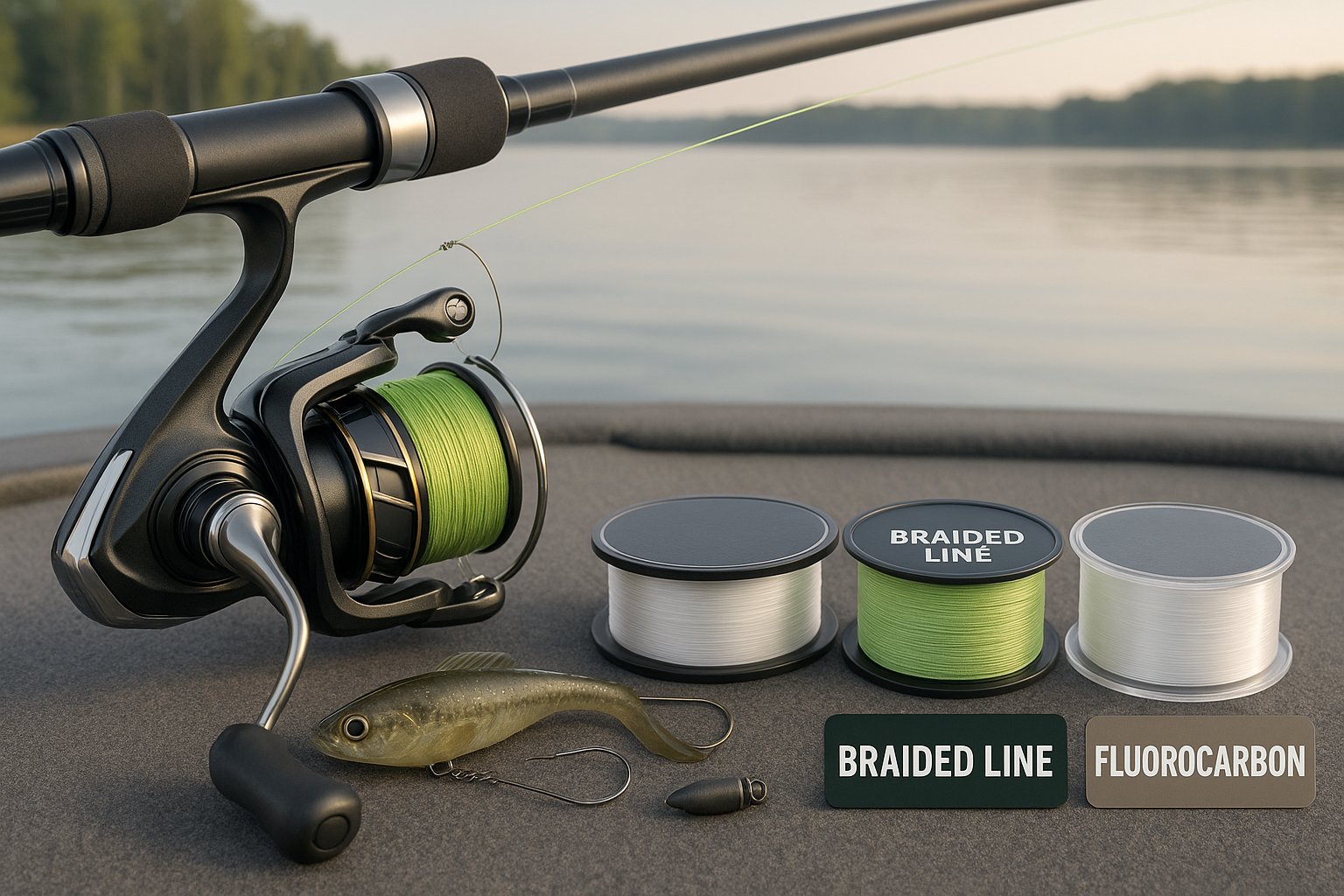
Pick the wrong line for a spinning reel, and everything gets harder. Casting distance drops. Wind knots show up out of nowhere. Your drag feels less smooth, your lure doesn't behave quite right, and fish that should've made it to the net somehow don't. The line matters more than most anglers think.
That's why understanding the best line for spinning reels is such a useful upgrade. It's not just about strength on the box. It's about how the line handles, how it behaves on a spinning spool, and how well it matches the water, lure, and species we're targeting.
In this guide, we'll break down the main fishing line types, compare their strengths and weaknesses, and look at where each one shines. We'll also cover common setup mistakes and the ideal line-and-reel pairings so we can choose a spinning reel line that casts cleanly, manages well, and helps us fish with more confidence.
Types of Fishing Line Explained (Mono, Braid, Fluorocarbon)
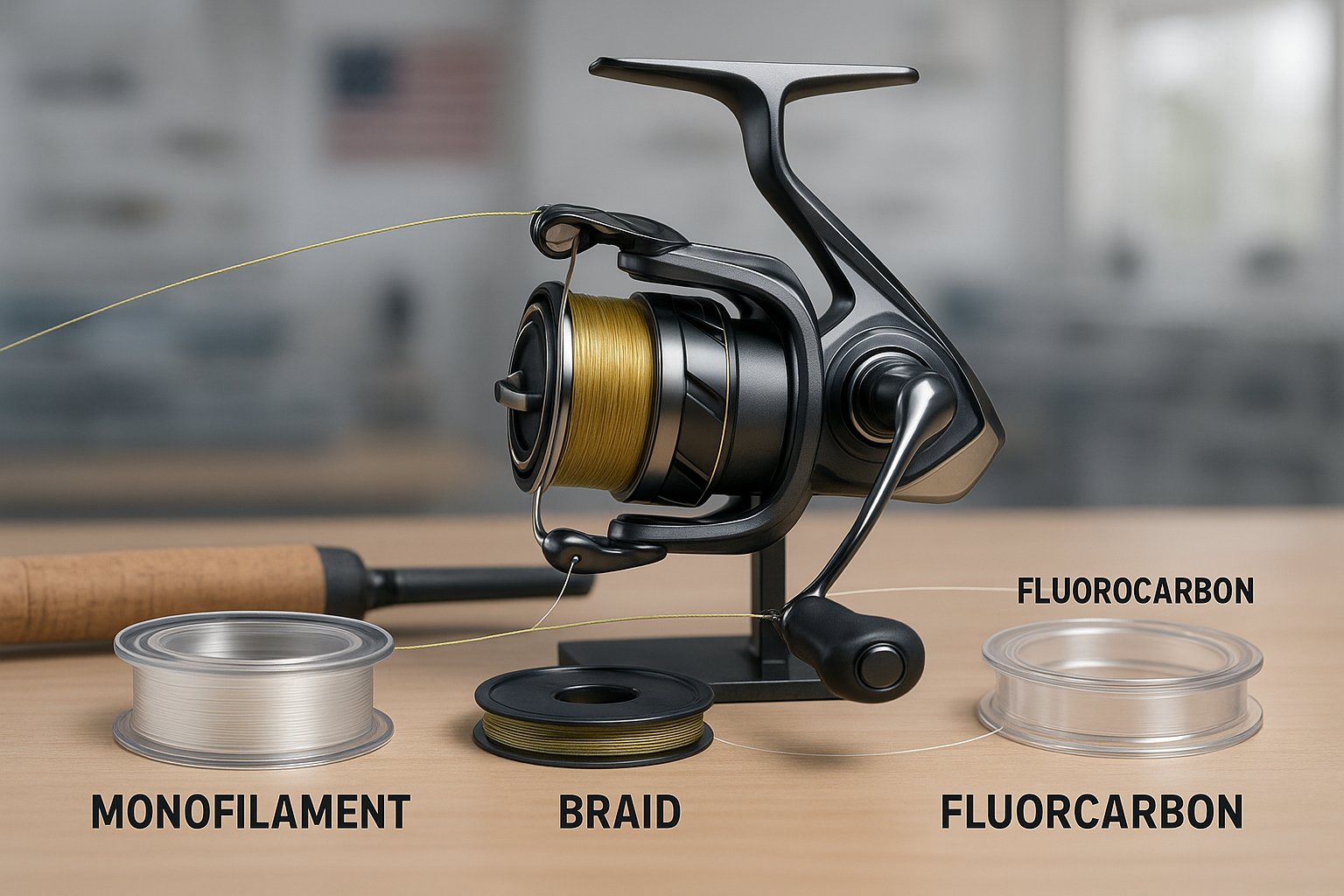
When anglers talk about the best line for spinning reels, they're almost always choosing among three main options: monofilament, braided line, and fluorocarbon. Each has a different feel on the reel and a different job on the water.
Monofilament
Monofilament, usually just called mono, is the classic all-around line. It's made from a single strand of nylon, and it's still one of the most forgiving choices for spinning gear. Mono has stretch, which can be a good thing. That built-in give helps absorb sudden surges from fish and can reduce pulled hooks, especially when we're using treble-hook baits.
It also tends to be easier to manage than stiffer lines, particularly for newer anglers. If we're looking for the best fishing line for beginners, mono is often the first recommendation because it's affordable, versatile, and relatively easy to tie.
Braided line
Braid is made from multiple fibers woven together into a thin, very strong line. Pound for pound, it's much thinner than mono or fluoro. That means we can spool more line, cast farther, and get excellent sensitivity. If a fish breathes on the bait, braid often lets us feel it.
Braid has almost no stretch, which is exactly why many anglers love it for techniques that demand quick hooksets and maximum control. On spinning tackle, braid has become extremely popular because lighter diameters come off the spool smoothly.
Still, braid behaves differently than mono. It's limp, slick, and highly visible in clear water. So while braid is excellent as a main line on many spinning setups, it's often paired with a fluorocarbon or mono leader.
Fluorocarbon
Fluorocarbon is denser than mono and much less visible underwater. It also sinks faster, which can be useful for finesse presentations, soft plastics, and bottom-contact techniques. Compared with mono, fluoro generally has less stretch and better abrasion resistance.
The tradeoff is handling. Fluorocarbon can be stiffer, especially in heavier pound tests, and that can create memory issues on spinning reels. In lighter sizes, though, it can be a very effective main line, and it's especially popular as a leader tied to braid.
When we compare fluorocarbon vs braided line spinning reel setups, the answer often isn't one or the other. It's braid for the main line and fluorocarbon for the leader. That combo gives us sensitivity, casting ease, and stealth in one system.
Pros and Cons of Each Line Type
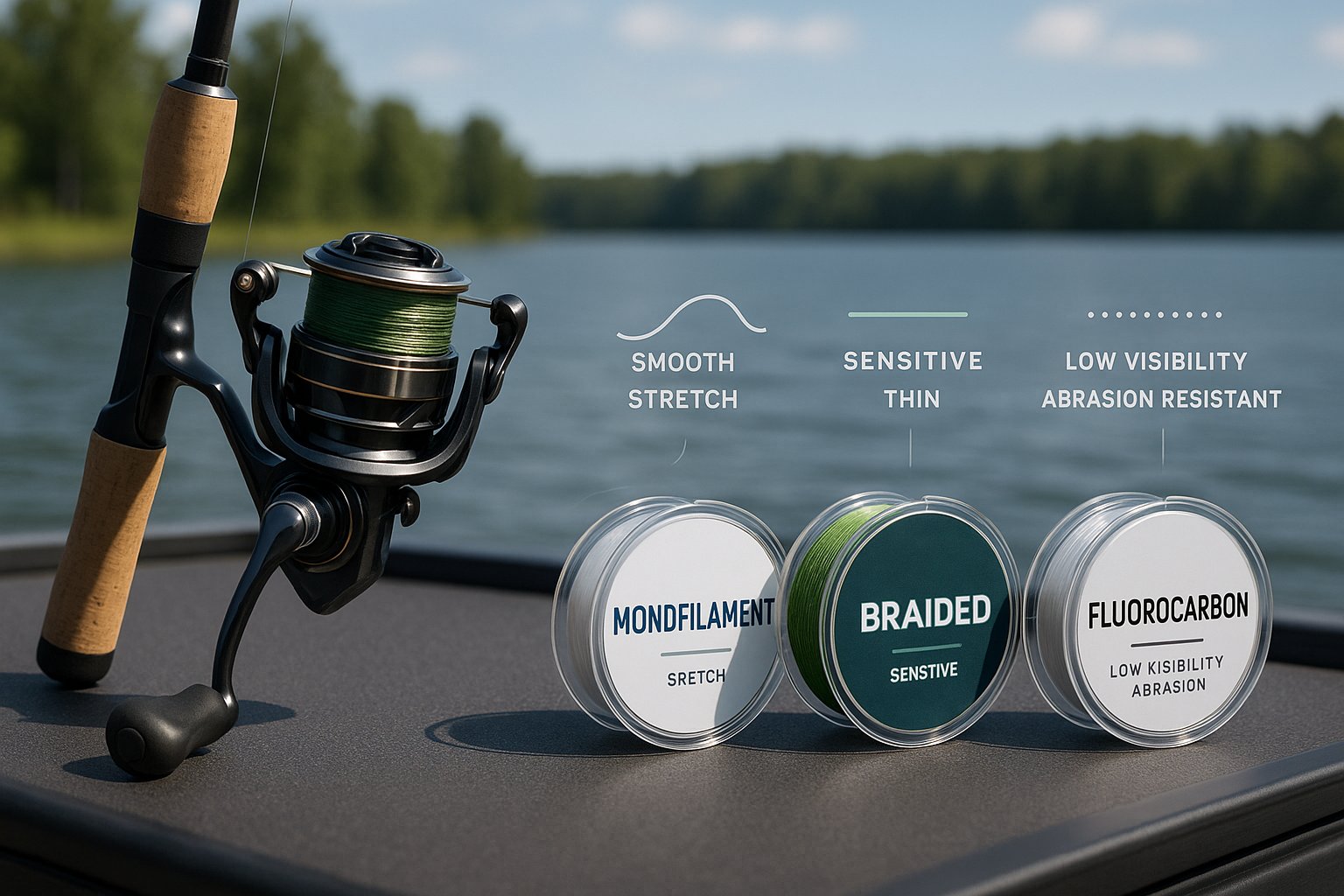
No line is perfect. The trick is matching the line's strengths to the way we fish.
Monofilament: pros and cons
Pros:
-
Affordable and widely available
-
Easy to handle on spinning reels
-
Stretch helps prevent sudden break-offs
-
Good knot strength
-
Floats or sinks slowly, depending on type
Cons:
-
More line memory than braid
-
Less sensitivity
-
Larger diameter for the same breaking strength
-
Breaks down faster from UV exposure and wear
Mono is often the safest middle-ground choice. It may not be the highest-performance option in every category, but it rarely causes major problems when matched to the right reel size.
Braid: pros and cons
Pros:
-
Extremely thin for its strength
-
Very long casting potential
-
High sensitivity
-
Minimal stretch for solid hooksets
-
Lasts a long time if maintained well
Cons:
-
More visible underwater
-
Can dig into itself on the spool under heavy pressure
-
Requires careful knot selection
-
Wind knots and tangles can get ugly fast if the reel is overfilled
-
Usually costs more upfront
The whole braid vs mono spinning reel debate really comes down to priorities. If we want easy handling and forgiveness, mono often wins. If we want sensitivity and casting distance, braid usually takes the edge.
Fluorocarbon: pros and cons
Pros:
-
Lower visibility underwater
-
Better abrasion resistance than standard mono in many situations
-
Sinks, which helps with certain lure presentations
-
More sensitivity than mono
Cons:
-
Can be stiff on spinning reels
-
More memory, especially in larger diameters
-
More expensive than mono
-
Not always the easiest line to manage for beginners
Fluorocarbon can be excellent, but it asks more from us. Reel size, line diameter, and spool management matter more with fluoro than with braid. In many cases, anglers who dislike fluorocarbon on spinning gear are simply using too heavy a test.
If we want a quick ranking for ease of use on spinning reels, it usually goes like this: mono is easiest, braid is highly effective but requires setup discipline, and fluorocarbon is the most technique-sensitive.
Best Line for Different Fishing Conditions
The best spinning reel line changes with the water, the lure, and the fish. That's why broad rules help, but situational choices matter more.
Clear water
In clear water, visibility becomes a bigger deal. Fluorocarbon usually shines here because it's harder for fish to see. For finesse bass fishing, trout, walleye, and pressured panfish, we'll often do best with a light braid main line tied to a fluorocarbon leader, or straight fluorocarbon in manageable sizes.
Dirty or stained water
In stained water, line visibility matters less. This is where braid becomes especially useful. We can fish heavier cover, feel subtle bites, and move fish more aggressively. If the water has color and fish aren't line-shy, braid can be an easy choice.
Heavy cover
Around grass, docks, brush, and laydowns, braid is hard to beat. Its strength-to-diameter ratio lets us fish confidently without loading a spinning reel with oversized line. For small to mid-sized spinning setups, something like 10- to 20-pound braid often covers a lot of bass applications.
Open water and finesse presentations
For drop shots, Ned rigs, shaky heads, and other light-lure techniques, braid with a fluorocarbon leader is one of the most reliable setups we can use. The braid casts light lures better, and the leader keeps things natural near the bait.
Topwater fishing
Mono still has a place. Because it floats better than fluorocarbon, it can be a smart option for topwater lures where we don't want the line pulling the bait downward. Braid can also work very well for topwater, especially around cover, but fluorocarbon is usually the least ideal of the three here.
Cold weather
Cold weather can make line management more noticeable. Stiff fluorocarbon can become even more annoying, while mono and braid often stay more user-friendly. If we're fishing in chilly conditions and want fewer headaches, lighter braid or manageable mono is often the practical move.
So what's the best line for spinning reels overall? For versatility, it's tough to beat thin braid with a leader. But if we're recommending the best fishing line for beginners, we'd still point many anglers toward quality mono first. It's less fussy, less expensive, and easier to learn with.
Common Line Mistakes to Avoid
A lot of line problems blamed on the reel are really setup mistakes. And spinning reels are unforgiving when line is spooled poorly.
Overfilling the spool
This is probably the most common mistake. If we fill a spinning spool too close to the lip, line jumps off in loose coils and creates tangles. Leave a little room. That small gap matters.
Using line that's too heavy
Heavier isn't always better. Thick mono or fluorocarbon on a small spinning reel is asking for memory issues and poor casting. Match line diameter to reel size. In many finesse situations, lighter line simply performs better.
Ignoring line twist
Line twist sneaks up on us. It often comes from reeling against drag, using spinning lures without a swivel when needed, or spooling line incorrectly. Twist causes loops, knots, and frustration. If our line starts coiling badly, it's time to address the cause, not just blame the line brand.
Skipping the leader when braid needs one
Braid as a main line is excellent, but not always alone. In clear water or around abrasive structure, skipping a fluorocarbon or mono leader can cost bites and fish. Not every situation requires a leader, but many do.
Using the wrong knots
Different lines need different knots. Braid is slick and can slip with poor knot choice. Fluorocarbon can burn if cinched too fast and dry. A strong setup is only as good as the knot connecting it.
Not replacing damaged line
We don't need to respool every trip, but we do need to check for nicks, frays, and rough spots. Mono and fluorocarbon especially can degrade over time. Braid lasts longer, but once it frays or fades heavily in high-contact areas, it deserves attention too.
Mismatching line to technique
Sometimes we choose line by habit instead of purpose. That's how anglers end up throwing topwaters on heavy fluorocarbon or finesse plastics on oversized mono. The best line for spinning reels is always the one that supports the presentation, not just the one we happen to have in the garage.
Avoiding these mistakes makes a bigger difference than chasing hype. Good line management beats fancy packaging every time.
Ideal Line and Reel Combinations
A good line choice gets even better when it matches the reel size and intended use. We don't need dozens of setups, but we do need combinations that make sense.
1000 to 2000 size spinning reels
These smaller reels are ideal for ultralight and light applications like trout, panfish, and finesse fishing. Best choices usually include:
-
4- to 6-pound mono
-
5- to 10-pound braid with a 4- to 8-pound leader
-
Light fluorocarbon in appropriate diameters
On these reels, line manageability is everything. Oversized line kills performance quickly.
2500 size spinning reels
This is the sweet spot for many anglers. A 2500-size reel can handle a wide range of bass, walleye, and inshore light-tackle jobs. Great pairings include:
-
6- to 8-pound mono for general use
-
10- to 15-pound braid with a 6- to 10-pound fluorocarbon leader for finesse bass fishing
-
8- to 10-pound fluorocarbon for anglers who prefer straight fluoro and can manage it well
If we had to suggest one all-around spinning reel line setup for versatility, this would be it: a 2500 reel with 10-pound braid and a fluorocarbon leader.
3000 to 4000 size spinning reels
These are better for larger fish, stronger current, heavier lures, and some inshore applications. Good options include:
-
10- to 12-pound mono
-
15- to 20-pound braid with a leader
-
Heavier fluorocarbon leaders for abrasion resistance
This is where braid really separates itself. We get strength without overwhelming the spool with thick line.
Practical combinations by goal
-
Beginner-friendly setup: 2500 reel + 6- or 8-pound mono
-
Maximum sensitivity: 2500 reel + 10-pound braid + 8-pound fluorocarbon leader
-
Heavy-cover spinning setup: 3000 reel + 15- or 20-pound braid + stout leader if needed
-
Clear-water finesse setup: 2000 or 2500 reel + 8- or 10-pound braid + long fluorocarbon leader
The best answer to fluorocarbon vs braided line spinning reel questions is often a blended setup. Braid handles the casting and sensitivity. Fluorocarbon handles stealth and abrasion. Mono still holds its ground when simplicity, forgiveness, and topwater performance matter most.
In other words, the ideal line and reel combination isn't the most expensive one. It's the one that fits how we actually fish.
The right line for spinning reels makes a noticeable difference from the first cast. Mono is simple and forgiving, braid is sensitive and versatile, and fluorocarbon excels when stealth and abrasion resistance matter. If we match line type to reel size, water conditions, and presentation, and avoid the usual spooling mistakes, we'll cast farther, manage line better, and lose fewer fish. For many anglers, a braid main line with a fluorocarbon leader is the most adaptable setup. But there's still no shame in quality mono. Practical, reliable gear choices usually outfish trendy ones.
Frequently Asked Questions About Line for Spinning Reels
What is the best fishing line for spinning reels for beginners?
Monofilament line is often recommended for beginners because it is affordable, easy to handle, forgiving due to its stretch, and versatile for many fishing conditions.
How does braided line compare to monofilament on spinning reels?
Braided line is thinner, stronger, and more sensitive than monofilament, allowing for longer casts and better hooksets, but it can be more visible underwater and requires careful spooling and knot selection.
Why use a fluorocarbon leader with braided line on spinning reels?
A fluorocarbon leader added to braided line improves stealth due to its low underwater visibility, offers better abrasion resistance, and sinks faster, making it ideal for finesse fishing techniques and clear water.
What common mistakes should be avoided when spooling line on spinning reels?
Avoid overfilling the spool, using line that is too heavy for the reel size, ignoring line twist, skipping a leader when needed, using the wrong knots, and not replacing damaged line to ensure smooth casting and fewer tangles.
Which fishing line performs best in clear water when using spinning reels?
Fluorocarbon lines or a combination of light braided main line with a fluorocarbon leader perform best in clear water due to their low visibility and sensitivity, helping prevent fish from detecting the line.
How should I match spinning reel size to line type and weight?
Smaller reels (1000-2000 size) pair well with light mono or braid (4-10 lb), 2500 reels handle versatile line weights like 6-15 lb braid or mono, and larger reels (3000-4000 size) accommodate heavier braid (15-20 lb) and thicker fluorocarbon leaders for bigger fish and heavy cover.
 Featured

