

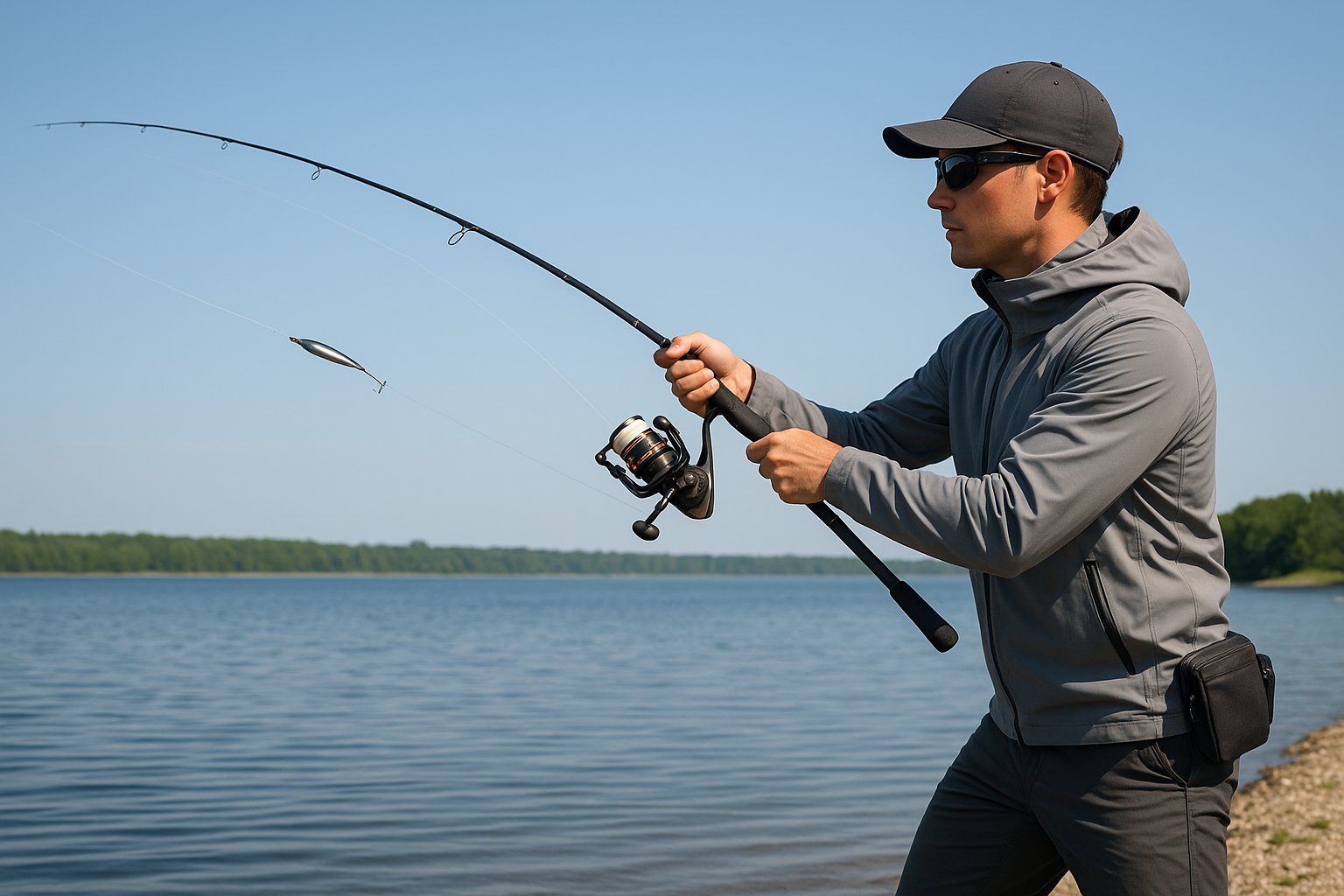
If our spinning reel casts feel short, it usually isn't just one problem. Distance comes from a combination of rod loading, line flow, lure weight, reel setup, and timing. Small mistakes in any one area can rob us of surprising yards.
The good news is that we usually don't need expensive gear to fix it. With a few smart adjustments and better mechanics, we can improve casting distance quickly and consistently. In this guide, we'll break down the biggest factors that matter, show the proper casting technique, explain how line and lure choice affect performance, and cover the equipment tweaks that actually help. Whether we're fishing from shore, trying to reach schooling fish, or covering more water on windy days, these tips will show us how to increase casting distance fishing with a spinning setup that works better on every cast.
Key Factors That Affect Casting Distance
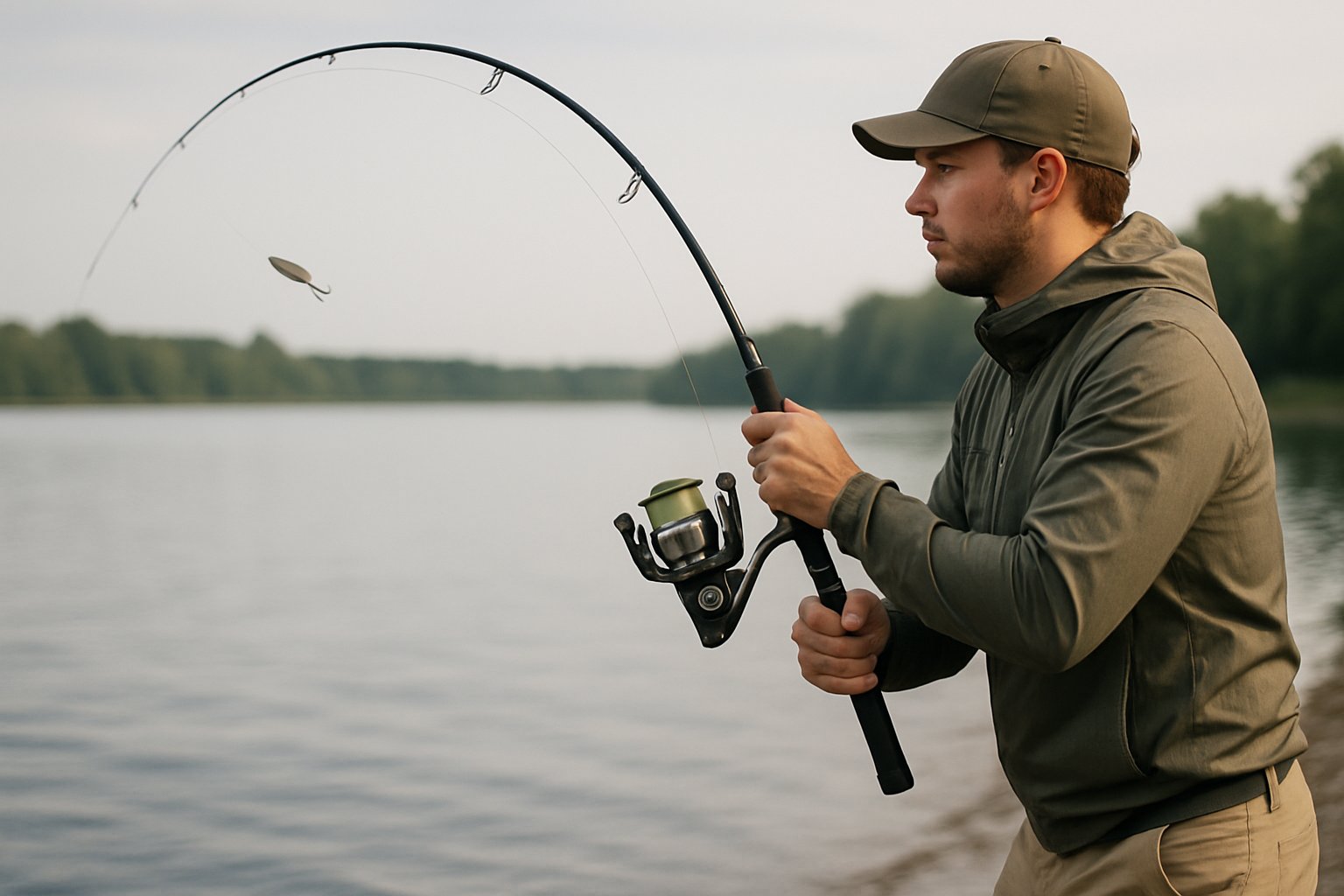
Casting farther with a spinning reel starts with understanding what creates distance in the first place. We're not just throwing harder. We're transferring energy efficiently from our body to the rod, from the rod to the line, and from the line to the lure. When that chain is clean, the cast travels. When it's sloppy, distance disappears.
The first factor is rod loading. A rod casts best when the lure weight matches the rod's power and lure rating. If our lure is too light, the rod doesn't bend enough and can't spring forward with much force. If it's too heavy, the rod overloads and becomes less efficient. In both cases, we lose distance and accuracy.
The second factor is line friction. Every bit of drag matters as line peels off the spool and moves through the guides. Thick line, old line with memory, a spool filled too low, or line twist can all slow the cast down. This is one of the most overlooked reasons anglers struggle to improve casting distance.
A third factor is lure aerodynamics. Compact lures usually fly farther than bulky ones of the same weight. A slim spoon, metal jig, or soft plastic on a streamlined jig head cuts through the air better than a lure with a lot of drag, like a wide spinnerbait or a crankbait with a big bill. Wind magnifies this difference.
We also have to consider timing and release point. If we release too early, the lure launches too high and loses forward drive. Too late, and it shoots low or slaps the water. Good timing creates a flatter, more efficient trajectory.
Finally, there's overall setup balance. A properly matched rod, reel, line, and lure will always outperform a mismatched combo. A medium-light rod with a tiny reel and heavy mono, for example, usually won't cast as far as a balanced setup built around the lure size we actually throw.
If we want to cast further spinning reel setups more effectively, we should think in terms of efficiency, not brute force. Distance is usually the result of fewer problems, not more effort.
Proper Casting Technique Explained
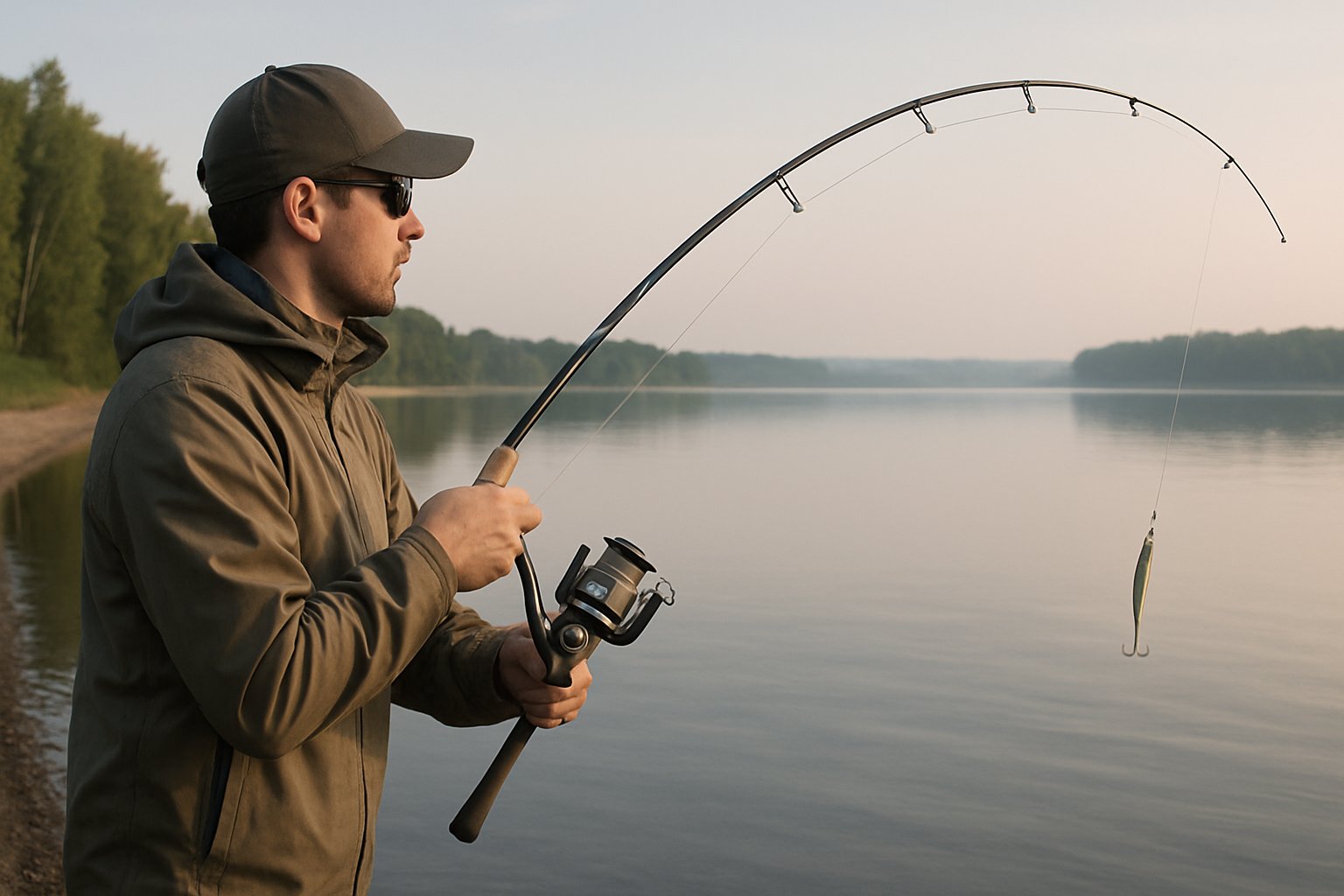
Technique is where distance gains often show up fastest. We can own a quality reel and good line, but if our mechanics are rushed or jerky, the cast won't reach its potential. The goal is a smooth, controlled motion that loads the rod deeply and releases the lure on the right path.
We start with our grip and stance. Hold the rod comfortably, with the reel stem between our fingers if that feels natural and secure. Face slightly sideways to the target, not fully square. This gives us room to rotate and generate a smoother casting arc. Keep our shoulders relaxed. Tension kills fluidity.
Before the cast, let the lure hang about 8 to 18 inches below the rod tip, depending on rod length and lure weight. This drop helps the rod load properly. Too little drop can make the cast feel abrupt. Too much can turn it into a timing mess.
When we open the bail and trap the line with our finger, the next step is key: accelerate smoothly. We don't want a violent whip. A spinning rod performs better when we load it progressively, almost like tossing a ball with rhythm rather than snapping a towel. Start the rod back, then move forward in one fluid motion.
As the rod comes forward, we release the line when the rod points roughly toward the target area. For most overhead casts, that's close to the 10 to 11 o'clock release feel in practical terms. The exact point varies with wind, lure weight, and rod action, but the principle stays the same: release for forward carry, not a sky-high arc.
Common technique mistakes
A few habits cost serious distance:
-
Casting too hard and overpowering the rod
-
Using only the arms instead of letting the body and shoulders work together
-
Releasing late, which drives the lure down
-
Releasing early, which sends it too high
-
Stopping the rod poorly, causing wasted motion
A good cast has a crisp stop after acceleration. That stop helps transfer energy to the lure.
Best ways to practice
If we want to know how to increase casting distance fishing from shore or in open water, practice matters. We can tie on a casting plug or use a lure without hooks and practice in a field. Focus on three things:
-
Smooth acceleration
-
Consistent release timing
-
A clean follow-through
A short practice session tells us more than guessing on the water. Usually, once we stop forcing the cast, our distance improves almost immediately.
Choosing the Right Line and Lure
Line and lure choice can change casting distance as much as technique does. If we want a spinning reel to perform at its best, we need a setup that lets line leave the spool cleanly and allows the lure to travel efficiently through the air.
Let's start with line type. For maximum distance, braided line is usually the top performer. It has a smaller diameter than monofilament or fluorocarbon at the same breaking strength, and that smaller diameter reduces friction during the cast. Braid also has very little memory, so it comes off the spool more smoothly. If distance is a priority, something like 10- to 15-pound braid often casts farther than heavier mono on the same reel.
That said, mono and fluorocarbon still have their place. Monofilament is forgiving and manageable, while fluorocarbon can be useful for sensitivity and invisibility. But both tend to be stiffer and thicker than braid for the same strength, which can reduce casting performance, especially on smaller spinning reels.
Line size matters more than many anglers think
The goal is to use the lightest practical diameter for the species, structure, and lure style. Oversized line creates drag at every stage of the cast. If we're trying to improve casting distance, jumping down one line size can make a real difference.
A simple rule:
-
Light finesse lures: thin braid or light mono
-
General-purpose spinning: 10–15 lb braid with a leader
-
Heavier cover applications: use only as much line strength as conditions demand
Now let's talk about lure weight and shape. Lure weight has to match the rod. A lure in the middle or upper-middle of the rod's rated range usually casts best because it loads the rod effectively without overwhelming it.
Shape matters too. Dense, compact lures fly farther because they create less air resistance. Good examples include:
-
Spoons
n- Casting jigs
-
Lipless baits
-
Paddle tails on streamlined jig heads
By contrast, high-drag lures with lots of blades, flared skirts, or wide bills lose speed in the air.
If we're dealing with wind, this becomes even more obvious. A compact 3/8-ounce lure often outcasts a bulkier 1/2-ounce lure simply because it tracks better.
The smartest move is to match line diameter, lure weight, and lure profile to our rod and conditions. That's one of the fastest ways to cast further spinning reel setups without changing the entire combo.
Equipment Adjustments That Help
Sometimes the fix isn't in our form at all. A few small equipment adjustments can free up line flow, reduce resistance, and add easy distance. These are the low-effort improvements worth checking before we blame our rod or reel.
The first and most important is spool fill level. Spinning reels cast best when the spool is filled close to the lip, but not overfilled. A good target is usually about 1/16 to 1/8 inch below the spool lip. If the spool is underfilled, the line has to fight a sharper edge as it comes off, which reduces distance. If it's overfilled, we may get loops and wind knots.
Next is line condition. Old, coiled, twisted, or damaged line hurts casting immediately. Mono and fluorocarbon with heavy memory spring off the spool unevenly, while twisted braid can create friction and tangles. Fresh line almost always performs better.
Check the guides and roller
Rod guides matter more than they look. Dirt, nicks, or cracked inserts create friction and can even damage line. We should inspect the guides regularly with a cotton swab or fingertip. If the cotton snags, the guide may be damaged.
Also check the line roller on the bail. If it isn't spinning smoothly, line twist increases and casting suffers. A quick cleaning and proper lubrication can make the reel feel noticeably better.
Match reel size to rod and application
A reel that's too small for the rod or intended lure weight can reduce distance because the spool diameter is smaller and line leaves in tighter coils. We don't always need a bigger reel, but we do need the right one. For many all-around spinning applications, a 2500 or 3000 size reel offers a strong balance of line management, capacity, and casting performance.
We should also pay attention to the drag knob, handle tightness, and bail operation. Anything loose, rough, or out of alignment can subtly affect performance.
Finally, don't ignore the leader connection knot if we fish braid to leader. A bulky knot can slap the guides and steal distance, especially with long leaders. A slimmer knot and properly trimmed tags help line move more cleanly.
These adjustments won't feel flashy, but together they can absolutely improve casting distance. In many cases, they're the difference between an average setup and one that feels effortless.
Pro Tips to Maximize Distance
Once the basics are handled, a few advanced habits can help us squeeze out even more casting range. These aren't gimmicks. They're practical refinements that experienced anglers use to get a little more out of every cast.
First, cast with the wind whenever possible. That sounds obvious, but the bigger point is to adjust trajectory based on conditions. In calm weather, a slightly higher cast may carry well. In headwinds, a lower, more penetrating cast usually travels farther and stays under control.
Second, use the rod's sweet spot. Every rod has a range where it loads beautifully. If we throw lures at the extreme low end of the rating, distance often suffers. If possible, choose lure weights that sit comfortably in the rod's most efficient zone.
Third, think about energy transfer, not muscle. The anglers who bomb casts with spinning gear usually look smooth, not violent. Their timing is better, their stop is cleaner, and they let the rod do the work. If we're trying harder and casting shorter, that's the signal to slow down.
Small changes that add up
These details can produce real gains:
-
Close the bail by hand after the cast to reduce line twist
-
Feather the line lightly with a finger near splashdown for better control
-
Use a longer rod when conditions call for maximum range
-
Keep knots trimmed neatly to avoid guide contact
-
Avoid oversized swivels or clips that add drag or interfere with guide flow
A longer rod deserves special mention. All else equal, a rod in the 7' to 8' range often helps create more casting distance than a shorter rod because it generates a longer casting arc and better line speed. That doesn't mean longer is always better, but it often helps from shore.
Know when distance is actually useful
More distance is valuable when we need to cover water, reach offshore fish, or stay farther back from spooky targets. But it should never come at the cost of lure control. A cast that goes 10 yards farther but lands off target or tangles isn't really better.
So the best approach is simple: build a balanced setup, clean up technique, reduce friction everywhere we can, and practice with intention. That's how we consistently improve casting distance instead of hoping for a miracle cast now and then.
Frequently Asked Questions About Casting Further with a Spinning Reel
What factors most affect casting distance with a spinning reel?
Casting distance depends on rod loading, line friction, lure aerodynamics, timing and release point, and overall setup balance. Efficient energy transfer through these elements is key to longer casts.
How can I improve my spinning reel casting technique to cast further?
Focus on a smooth, controlled motion that loads the rod deeply and releases the line at about 10 to 11 o'clock. Avoid jerky movements, hard overpowering, and improper release timing for consistent longer casts.
What type of fishing line helps maximize casting distance on a spinning reel?
Braided line generally casts farther due to its thinner diameter and low memory, reducing friction compared to mono or fluorocarbon. Using the lightest practical line size also minimizes drag for better distance.
Why is lure weight important for casting further with a spinning reel?
A lure weight that matches the rod’s rated range loads the rod efficiently, allowing for maximum energy transfer. Lures too light or too heavy reduce rod performance and casting distance.
Can equipment adjustments improve casting distance without buying new gear?
Yes. Proper spool fill (about 1/16 to 1/8 inch below the spool lip), fresh line, clean and smooth guides and rollers, correctly sized reels, and neat knots all reduce friction and improve casting distance.
Does rod length affect how far I can cast with a spinning reel?
Generally, longer rods (7 to 8 feet) create a longer casting arc and better line speed, helping increase distance, especially when fishing from shore.


