

Brown trout have a way of making average gear choices look obvious. They hold deep when pressure rises, slide shallow when light drops, and punish weak knots, drag mistakes, and lazy presentations. That's why a serious brown trout fishing setup isn't just a rod-and-reel list, it's a system built around how these fish behave.
In our experience, the anglers who consistently catch better browns aren't always casting farther or buying the most expensive tackle. They're matching line, leader, lure size, and presentation to the trout's mood, the water's clarity, and the time of day. That matters even more when we're chasing larger fish.
In this guide, we'll break down where brown trout live, how they move, and what advanced trout fishing gear gives us an edge. Then we'll cover the best setup for large trout, proven techniques, cold-water adjustments, and a practical shortlist of high-performance gear that makes a difference on the water.
Behavior and Habitat of Brown Trout
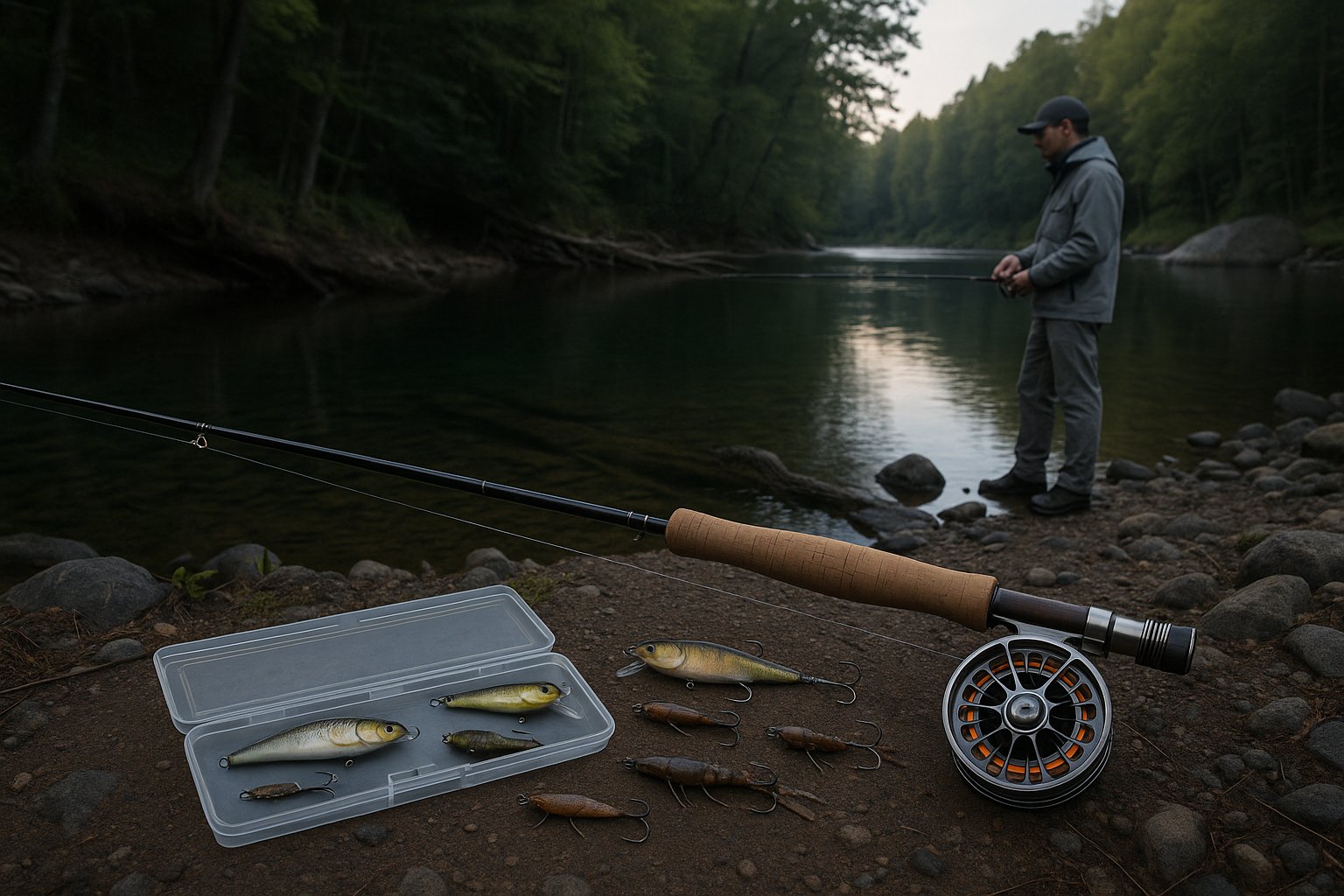
Brown trout are adaptable, but they're rarely careless. If we want to build an effective brown trout fishing setup, we need to start with their behavior before we start shopping for gear.
In rivers and streams, brown trout usually favor current breaks, undercut banks, logjams, boulder seams, tailouts, and deeper runs where they can hold with minimal effort while staying close to food. In lakes and reservoirs, they often patrol drop-offs, weed edges, rocky shorelines, inlet mouths, and transition zones where baitfish gather. Bigger fish, especially, prefer spots that offer security: depth, shade, structure, or reduced current.
Light matters more than many anglers realize. Browns are notoriously cautious in bright conditions, particularly in clear water. During sunny periods, they often tuck under cover or slide into deeper water. Low light, early morning, evening, overcast weather, and especially night, can completely change their positioning. Fish that seemed absent at noon may suddenly cruise shallow banks after dark.
Season changes shift their feeding windows too. In spring, warming water increases activity and pushes food into the drift. Summer can make daytime fishing tougher, especially in heavily pressured rivers, so trout often feed during the edges of the day. Fall is prime time because aggressive pre-spawn fish chase larger meals. Winter usually slows everything down, but brown trout still eat: they just do it in tighter windows and often in slower, softer lies.
Food preference should guide our rigging. Smaller browns may feed heavily on insects, but larger fish increasingly become opportunistic predators. They'll still eat nymphs and emergers, sure, but mature trout often key on minnows, sculpins, juvenile trout, crayfish, and other calorie-dense prey. That's one reason the best setup for large trout usually includes stronger hooks, slightly heavier leaders, and lures or flies with a bigger profile.
Pressure is another factor. Brown trout in popular water become line-shy and presentation-sensitive fast. In those cases, stealth often matters as much as lure choice: longer leaders, finer diameter line where practical, quieter wading, and a casting angle that keeps us out of the fish's window. A lot of anglers ask how to catch brown trout consistently. The honest answer is that we have to fish where they feel safe, and present baits in a way that doesn't give us away first.
Advanced Gear Setup for Bigger Fish
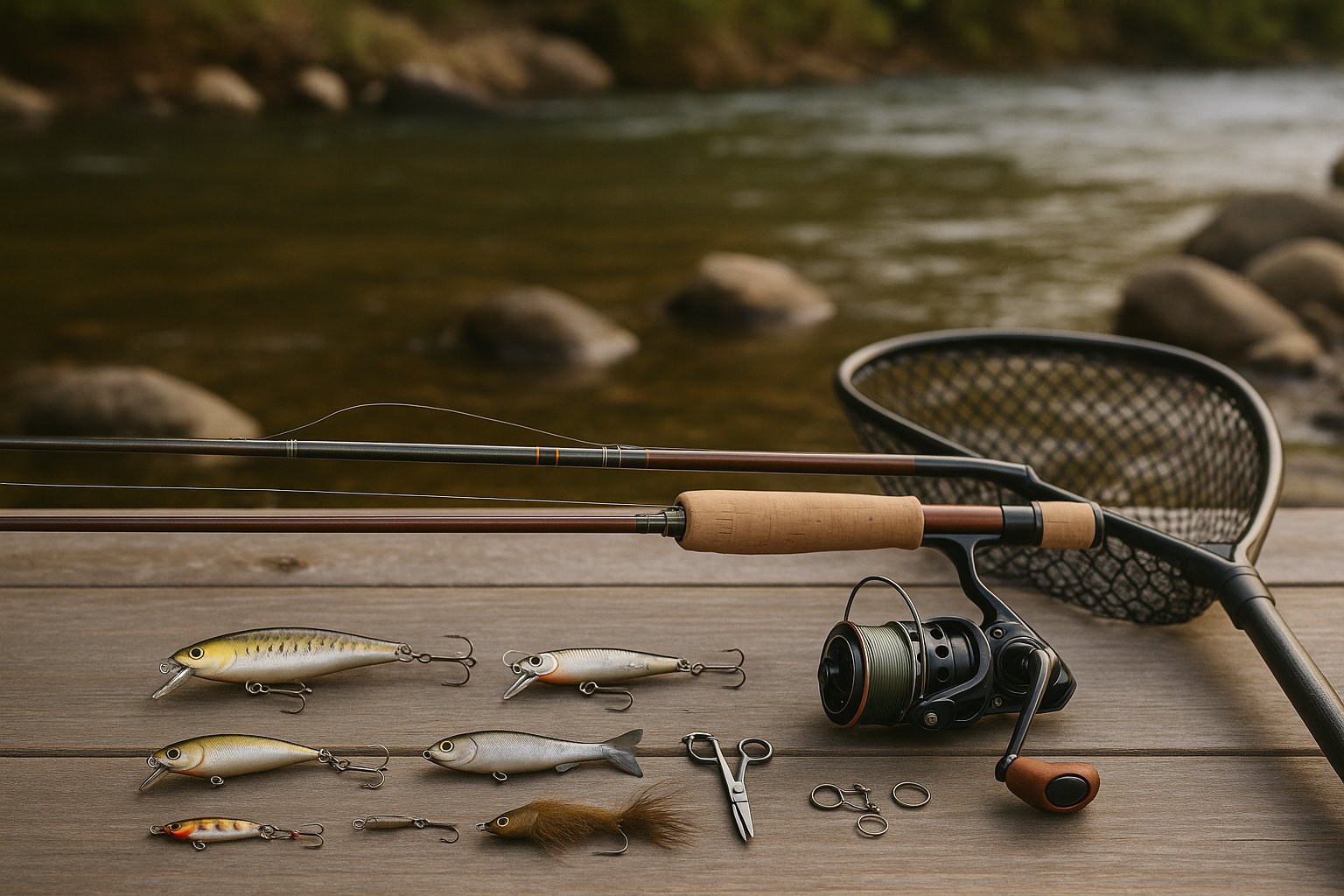
When we're targeting average stockers, almost any decent trout combo can work. Bigger brown trout are different. They expose weak drags, soft hooks, poor leader material, and rods that can't control fish in current. A true brown trout fishing setup for larger fish should balance finesse with control.
For spinning gear, our favorite all-around choice is a 6'6" to 7' medium-light or light-power fast-action rod paired with a smooth 2000 or 2500-size reel. That setup gives us casting distance with small hard baits and spinners, but still enough backbone to steer a strong fish away from wood or rocks. In larger rivers or lakes where bigger jerkbaits and swimbaits are in play, a 7' medium-light rod can be even better.
For line, braided main line with a fluorocarbon leader is hard to beat. Something like 8- to 10-pound braid paired with a 4- to 8-pound fluorocarbon leader offers sensitivity, long casts, and good lure action without giving up too much stealth. In ultra-clear water, we may lean lighter. Around heavy cover or when throwing larger streamers, small swimbaits, or jerkbaits for trophy browns, we'll bump leader strength up. That's often the sweet spot in advanced trout fishing gear: not blindly going heavier, but reinforcing the setup where big fish actually test it.
Fly anglers should think similarly. A 5-weight covers a lot of trout fishing, but for streamer work and larger fish, a 6- or even 7-weight often makes more sense. It turns over articulated patterns better, handles sink tips more efficiently, and gives us better control during the fight. A quality large-arbor reel with a reliable drag matters more than some trout anglers admit, especially at night or in bigger water where a brown can bulldog downstream before we fully react.
Terminal details matter. We like premium snaps only when lure action or quick changes justify them: otherwise, direct tying keeps things cleaner. Knots need to be flawless. Hooks should be sticky-sharp, and stock split rings on some hard baits may be worth upgrading if we're fishing for truly large browns. A long-handled rubber net is part of the setup too, not an accessory afterthought.
If we had to sum up the best setup for large trout in one sentence, it would be this: use the lightest system that still lets us land a hard-running fish quickly and cleanly in the water we're fishing.
Best Techniques for Targeting Brown Trout
The most effective technique depends on forage, water type, and trout mood. Brown trout aren't difficult every day, but they are specific. Matching that specificity is where results improve fast.
Cover water with moving baits
In rivers, inline spinners, compact spoons, and small minnow plugs are excellent search tools. We cast slightly upstream or across current, then retrieve just fast enough to keep the lure working naturally. In lakes and tailwaters, suspending jerkbaits can be outstanding, especially in cool water when a long pause triggers following fish. Browns often strike on the stall, not the snap.
Fish streamers and baitfish profiles with intent
Large brown trout regularly eat other fish. That means streamers, sculpin patterns, paddletails, and glide-style minnow baits deserve a permanent place in our rotation. The key is not just throwing bigger lures, it's making them look vulnerable. We like quartering casts, controlled swings, erratic strips, and occasional dead pauses near structure. A fish tucked under a bank may ignore ten perfect drifts of a small nymph, then crush a single baitfish imitation that looks like it made a mistake.
Slow down with finesse presentations
When trout are pressured or water is extremely clear, subtle presentations often outperform aggressive ones. Light jigheads with soft plastics, trout worms under floats, drifting live bait where legal, and small nymph rigs can all shine. This is where many people learn how to catch brown trout the hard way: less flash, less line visibility, and better drift control often beat more casting.
Work prime lies thoroughly
Brown trout don't occupy every inch of a run. They set up in high-percentage spots, current seams, depth changes, undercuts, and ambush lanes. Before rushing downstream, we'll fish those spots from multiple angles. One cast may sweep too high, the next may tick bottom perfectly, and the third may finally enter the fish's lane. That tiny adjustment can be the difference between an uneventful drift and a heavy thump.
Adjust retrieve speed to water temperature
As water cools, trout generally become less willing to chase fast-moving baits over long distances. That doesn't mean they stop eating. It means our retrieve usually needs more pause, more hang time, and less panic. In warmer periods, they may respond better to a more aggressive strip or retrieve window.
The best anglers we know aren't married to one method. They rotate intelligently: search, identify mood, then refine. That's the practical side of how to catch brown trout consistently.
Night and Cold Water Strategies
If we're serious about big browns, we have to talk about darkness and cold water. These are two of the most misunderstood pieces of the puzzle, and two of the most productive.
At night, brown trout often leave daytime cover and move into surprisingly shallow water to hunt. A bank that looked lifeless at 2 p.m. can hold a trophy fish after sunset. That's why many seasoned anglers consider night fishing the real big-fish window, especially in fall.
The setup changes a little. We usually simplify. Dark, large-profile streamers, black or brown wake baits, jointed minnows, bigger soft swimbaits, and slow-worked plugs all help fish locate the target through silhouette and vibration. We don't need a dozen lure colors after dark. We need confidence, control, and a consistent path through likely holding water.
Stealth matters even more at night because shallow fish are close. We move slower, make fewer false casts, keep headlamps off the water, and fish methodically. Long casts are helpful, but accuracy matters more. The goal is to bring the lure through a known lane, not bomb the horizon because it feels dramatic.
Cold water is different. In winter or early spring, trout usually conserve energy and hold where current is softer and food can come to them. Deep pools, slower seams, tailouts, and bottom-oriented structure become more important. Smaller meals often work, but not always: a large trout may still choose one substantial baitfish over chasing several tiny ones. The key is presentation speed.
In cold conditions, we favor:
-
Slower retrieves with frequent pauses
-
Heavier presentations that stay in the strike zone
-
Natural drifts near bottom
-
More precise casts to likely lies
-
Longer soak time in productive water
Line management becomes critical in winter. Cold guides ice up, fingers lose dexterity, and subtle strikes get harder to read. That's where refined, advanced trout fishing gear really earns its keep, a reel with a dependable drag, line that behaves in low temperatures, and a rod sensitive enough to register a soft eat.
One more thing: fight fish efficiently in cold water. Brown trout are hardy, but winter handling can still be rough on them. Rubber net, wet hands, quick release. Big fish deserve that.
Recommended High-Performance Trout Gear
There's no single perfect gear list for every river, lake, and season. But if we're building a versatile brown trout fishing setup focused on quality and big-fish capability, these are the categories we'd prioritize.
Spinning combo
A 6'6" to 7' fast-action light or medium-light rod paired with a smooth 2000–2500 reel is the most versatile option for many anglers. It handles spinners, spoons, jerkbaits, small swimbaits, and finesse rigs without feeling underpowered when a better fish shows up.
Main line and leader system
An 8- or 10-pound braid main line with fluorocarbon leaders in the 4- to 8-pound range covers a huge amount of brown trout fishing. For extra-clear water, lighter leaders help. For streamers, bigger plugs, or woody banks, stronger leaders reduce heartbreak.
Hard baits
Suspending jerkbaits, shallow-diving minnow plugs, and compact crank-style baitfish imitators are high-value choices. Natural baitfish patterns are dependable in clear water, while darker silhouettes and stronger contrast work well in low light.
Metal lures
Inline spinners and slim spoons still catch browns for a reason: they cover water quickly and trigger reaction bites. They're especially useful when we're prospecting unfamiliar water.
Soft plastics and jigs
Small paddletails, flukes, trout worms, and marabou or hair jigs give us finesse and control. They're excellent when trout are pressured or keyed on smaller bait.
Fly gear
For fly anglers, a 6-weight with floating and sink-tip line options is an excellent crossover setup. Add strong leader material, articulated streamers, sculpin patterns, and a few classic nymphs, and we're prepared for both numbers and larger fish.
Essential accessories
A rubber landing net, quality polarized glasses for daytime, forceps, nippers, a compact sling or vest, and dependable waders if conditions require them, all of that counts as part of the fishing system. So does knot discipline. Expensive tackle can't save a rushed leader connection.
When anglers ask us for advanced trout fishing gear, we usually steer them toward reliability over hype. Smooth drag. Crisp rod recovery. Good hooks. Strong leader material. The flashy stuff is fun, but consistent performance lands more brown trout than marketing ever will.
And that's the real thread running through the best setup for large trout: confidence. If we trust the gear, we fish better, stay patient longer, and convert more of the rare opportunities that matter most.
Brown trout reward details. Learn where they feel safe, build a balanced setup around that reality, and fish with intention. Do that, and our odds of connecting with the kind of fish we remember for years go up, fast.
Brown Trout Fishing Setup FAQs
What is the ideal rod and reel setup for brown trout fishing?
A 6'6" to 7' medium-light or light-power fast-action rod paired with a smooth 2000 or 2500-size spinning reel is ideal. This setup balances casting distance and control for both small lures and larger trout.
How should I adjust my brown trout fishing gear for clear water and pressured fish?
Use lighter fluorocarbon leaders (4-6 pounds), finer diameter main line, longer leaders, and quieter presentations. Stealth is crucial, so avoid heavy gear that spooks wary brown trout in clear, pressured waters.
What types of lures and presentations work best for targeting large brown trout?
Bigger lures like streamers, swimbaits, articulated minnows, and sculpin patterns work well. Present them with quartering casts, controlled swings, erratic strips, and pauses to imitate vulnerable prey and trigger strikes from larger browns.
How does brown trout behavior change with light conditions and seasons?
Brown trout move deeper or under cover in bright light and become more active in low light or at night. Seasonally, spring increases activity, summer pushes feeding to cooler times, fall is aggressive pre-spawn feeding, and winter slows trout with shorter feeding windows.
What are the best techniques for fishing brown trout in cold water or at night?
In cold water, use slower retrieves with frequent pauses, heavier presentations, and fish slower current seams and deep pools. At night, fish large-profile dark streamers or baits with slow, controlled retrieves; be stealthy and focus on accuracy over distance.
Why is line and leader choice important in a brown trout fishing setup?
Choosing the right main line and fluorocarbon leader weight balances sensitivity, stealth, and strength. For example, 8-10 pound braided line with 4-8 pound fluorocarbon leaders offers durability and good lure action, critical for controlling strong brown trout without spooking them.


