

Beginner Fishing Reel Guide: How to Choose Your First Reel Without Wasting Money
Walking into a tackle shop can feel overwhelming. Reels all promise smooth drags and pro performance, but beginners need something simpler: easy casting, forgiveness, and reliability. In this guide, learn spinning vs. baitcasting for new anglers, common mistakes to avoid, what to spend, and how to choose a reel that grows with you.
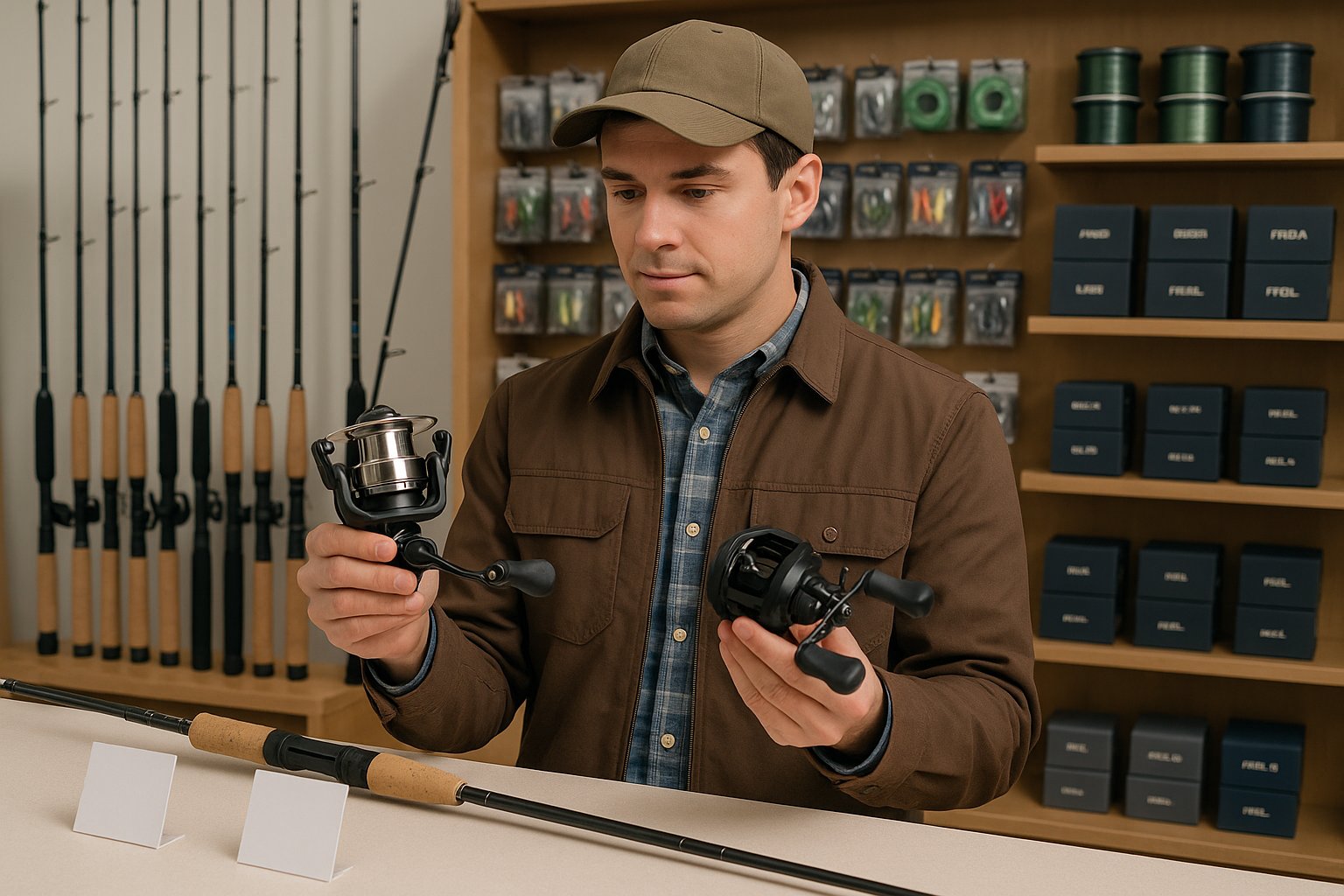
Walking into a tackle shop for the first time can feel like stepping into a gear maze. Reels all promise smooth drags, high-speed retrieves, and pro-level performance, but if we're just getting started, most of that noise doesn't help. What matters is finding a beginner fishing reel that's easy to use, forgiving when we make mistakes, and good enough to grow with us for more than a few trips.
That usually leads to the biggest early question: should we buy a spinning reel or a baitcaster? And right behind it comes another one, how much do we actually need to spend?
In this guide, we'll break down what makes a reel beginner-friendly, compare spinning vs baitcasting for new anglers, cover the mistakes that trip people up early, and look at what to expect at different price points. If we want the best reel for beginners, the goal isn't buying the fanciest option. It's buying the right one.
What Makes a Reel Beginner-Friendly
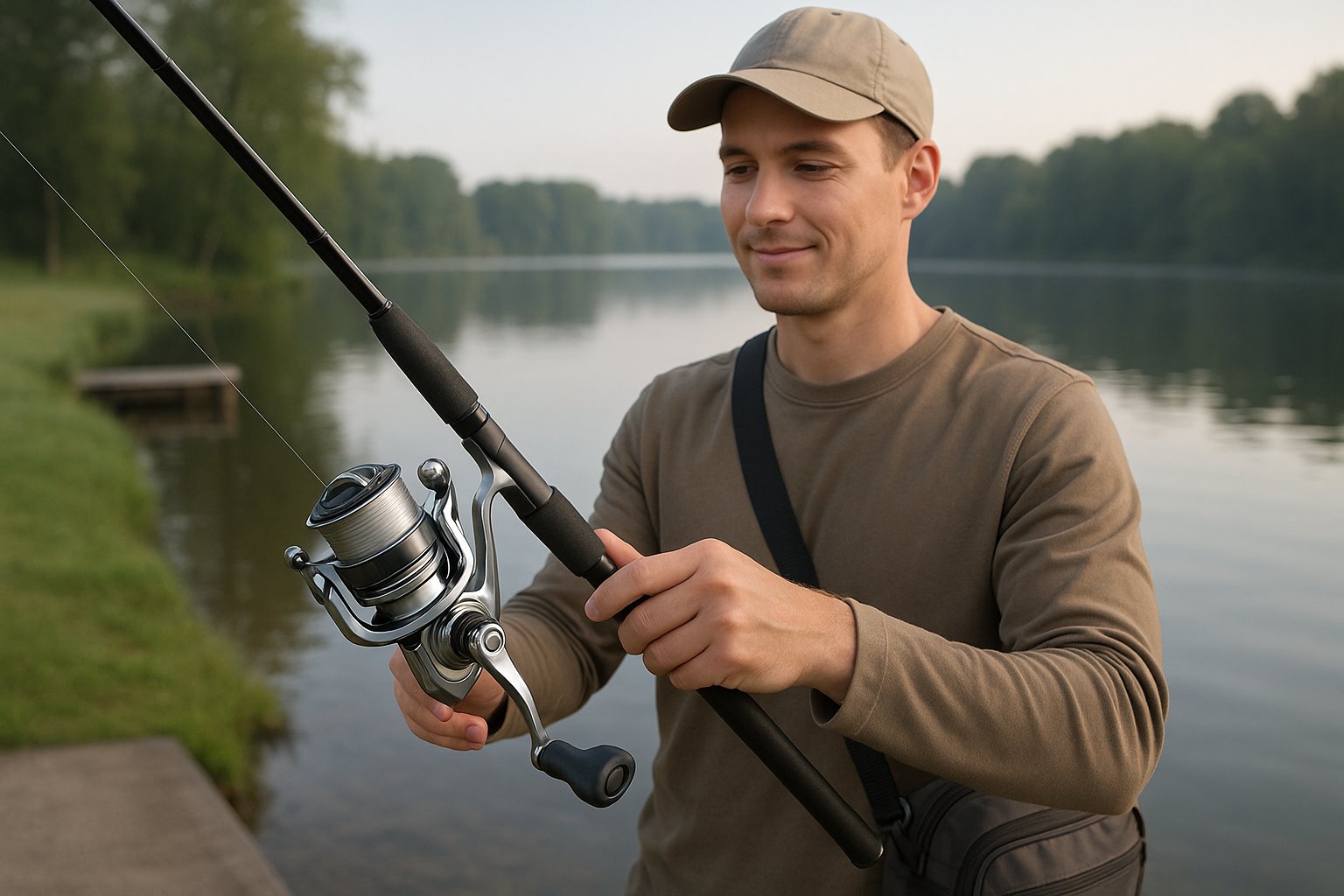
A beginner-friendly reel does three things well: it reduces frustration, handles a variety of situations, and stays reliable with basic care. That sounds simple, but it rules out a surprising number of flashy options.
First, ease of operation matters more than raw specs. A good starter reel should cast without constant backlash or line twist, retrieve smoothly, and have controls that make sense right away. If we need a YouTube tutorial just to make it usable, it's probably not the right first reel.
Second, forgiveness is huge. Beginners make inconsistent casts. We reel under odd angles, set the hook too hard, or not hard enough, and sometimes store gear less carefully than we should. A reel that still performs even though those habits is worth a lot. This is one reason spinning reels are often recommended first: they're generally more forgiving than baitcasters.
Third, fit and balance matter. A reel can be technically excellent and still feel wrong in the hand. For new anglers, lighter setups usually feel easier to control and less tiring over a full morning. A reel in the 2500 to 3000 size range, paired with a medium or medium-light rod, is often the sweet spot for freshwater beginners because it covers bass, trout, panfish, walleye, and even light inshore use depending on the model.
Here are the main features we should prioritize in a beginner fishing reel:
-
Smooth drag: A jerky drag leads to lost fish and broken line. Carbon drag systems are great, but even basic felt drags can work if they're smooth and consistent.
-
Simple setup: Clear drag adjustment, easy spool access, and no overly fussy tuning.
-
Comfortable handle and grip: If the reel feels awkward, casting accuracy and confidence drop fast.
-
Solid line management: Especially important on spinning reels, where poor line lay can create loops and wind knots.
-
Durability over gimmicks: Five good bearings are better than twelve cheap ones. Bearing count gets marketed hard, but quality matters far more than quantity.
And then there's the overlooked piece: serviceability. Beginner gear takes abuse. A reel with available replacement spools, parts support, or at least a strong brand reputation is a safer buy than an off-brand bargain that becomes trash after one season.
In practice, the best reel for beginners is usually the one that helps us spend more time fishing and less time untangling problems. That's a much better benchmark than any spec sheet.
Spinning vs Baitcasting for New Anglers
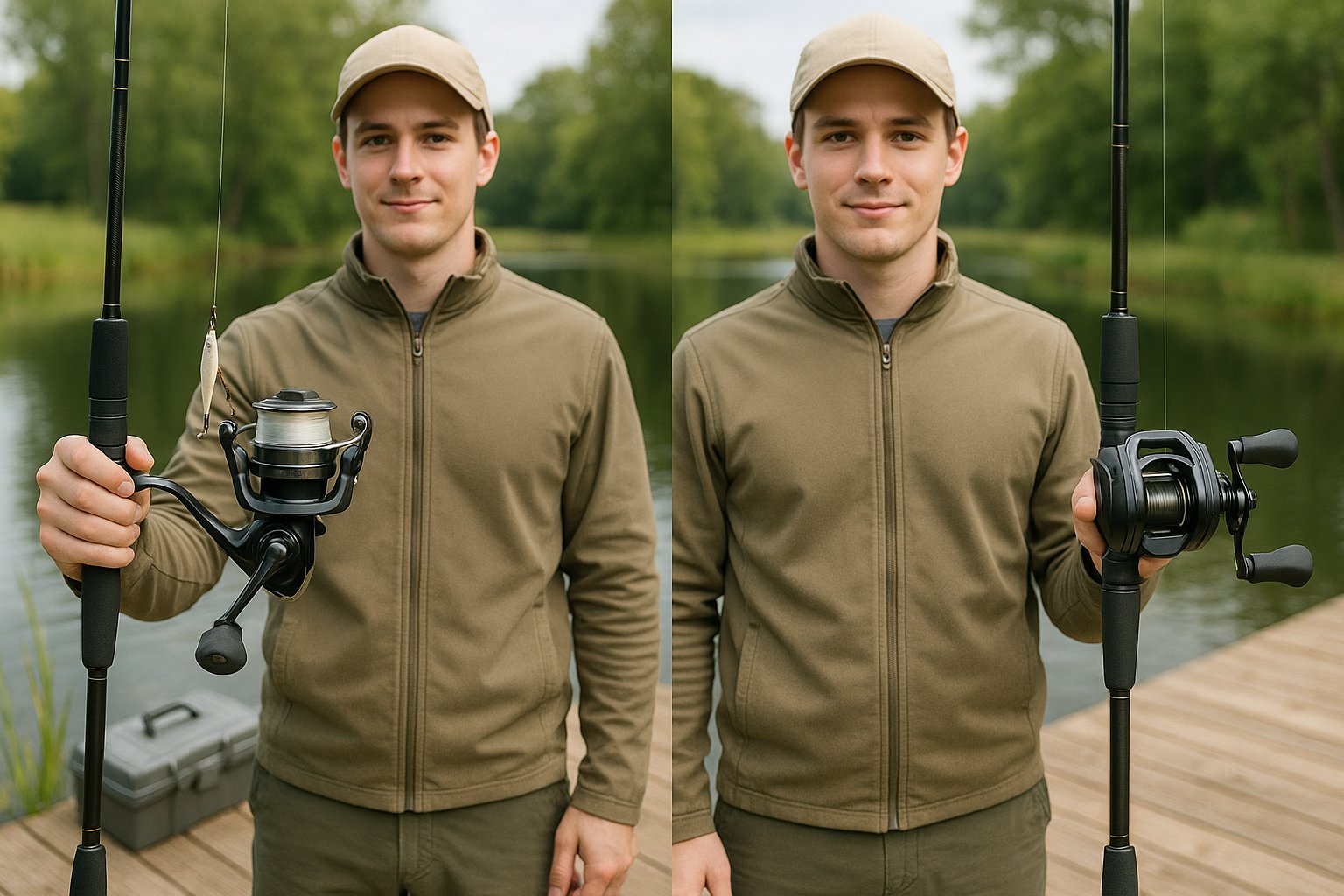
This is the comparison most new anglers care about, and for good reason. The spinning vs baitcaster for beginners debate gets loud, but the answer is more practical than ideological.
For most people, a spinning reel is the better starting point. It's easier to cast, handles lighter lures better, and doesn't punish minor mistakes the way a baitcaster does. We can pick one up, thread line, flip the bail, and start fishing with a relatively short learning curve.
A baitcasting reel, on the other hand, offers better control and power in certain situations once we know how to use it. It shines with heavier lures, accurate casting around cover, and stronger line. But it asks more from us. We need to manage spool tension, braking systems, thumb pressure, and casting mechanics. If those aren't dialed in, we get the classic bird's nest backlash.
Why spinning reels win for most beginners
Spinning reels are forgiving by design. Since line peels off a fixed spool during the cast, the reel doesn't demand the same spool-speed control as a baitcaster. That means fewer catastrophic tangles and less wasted time.
They're also versatile. A 2500-size spinning reel can throw soft plastics, small crankbaits, inline spinners, live bait rigs, and bobbers. That wide range is ideal when we're still figuring out what kind of fishing we actually enjoy.
Another advantage: they handle lighter line and finesse presentations better. If we're fishing ponds, small lakes, rivers, or trout streams, spinning tackle is simply easier to live with.
When a beginner might choose a baitcaster
There are cases where starting on a baitcaster makes sense. If we know we'll mostly target bass with heavier lures, frogs, jigs, spinnerbaits, or Texas rigs around cover, a baitcaster can be the right long-term system. Some anglers also just prefer learning the harder tool first.
But we should be honest about the tradeoff. Early sessions may involve more untangling than fishing. That's not failure, it's part of the learning curve. Still, many new anglers quit on baitcasters too soon because the first few trips are frustrating.
The practical recommendation
If we want the safest answer to "what's the best reel for beginners?" start with a spinning reel. If we're excited by bass techniques and willing to practice, a baitcaster can be a worthwhile second reel.
A good rule is this:
-
Choose spinning for versatility, ease, lighter lures, and faster confidence.
-
Choose baitcasting for heavier lures, precision, stronger line, and technique-specific fishing.
So in the spinning vs baitcaster for beginners question, spinning usually wins the first-round matchup. Baitcasting often becomes the upgrade once our casting mechanics and fishing style are more defined.
Common Beginner Mistakes
Most reel problems beginners blame on "bad gear" are actually setup or handling mistakes. The good news: these are fixable, and fixing them makes even modest equipment feel much better.
Using the wrong line
This is probably the biggest one. Too-heavy line on a spinning reel can jump off the spool and create loops. Too-light line on a baitcaster can dig in under pressure. Beginners often assume heavier line is safer, but line choice has to match the reel and the technique.
For a starter spinning reel, 8- to 10-pound monofilament or 10- to 15-pound braid with a leader is usually manageable. For a beginner baitcaster, many anglers learn faster with 12- to 15-pound mono or fluorocarbon because it's easier to pick out than super-thin braid during backlashes.
Overfilling or underfilling the spool
Spool too much line and a spinning reel gets unruly. Spool too little and casting distance drops. That "fill it almost to the lip, but not quite" advice exists for a reason. On baitcasters, improper spooling can affect braking and line lay too.
Ignoring drag settings
A lot of us start by tightening the drag way too much. Then a decent fish runs, the line pops, and we blame the knot. The drag should give line under strong pressure, not feel locked down like a winch. A quick hand-pull test before fishing helps.
Closing the bail with the handle
On spinning reels, snapping the bail shut by cranking the handle can contribute to line twist over time. It's better to close the bail by hand, then pull the line snug before the next retrieve. It's a small habit, but it prevents a lot of headaches.
Poor baitcaster adjustment
With baitcasters, beginners often loosen spool tension too much and set braking too low because they want more distance. That's like learning to drive in a sports car with traction control turned off. Start conservative. Tighten things down. Make short, controlled casts. Distance comes later.
Neglecting basic maintenance
We don't need to become reel technicians, but we do need the basics. Wipe the reel down after use, especially after dirty or saltwater trips. Check the line for frays. Don't toss the combo into a car trunk where it bangs around for weeks. A little care stretches the life of even affordable gear.
Buying for image instead of use
A common trap is buying the reel a pro uses on TV or social media. That gear may be excellent, and completely wrong for the way we fish. Beginners usually benefit more from versatility and ease than from technique-specific performance.
If we avoid these mistakes, our first reel will feel smoother, cast better, and last longer. That's important, because confidence in the setup often matters as much as the setup itself.
Budget vs Performance Considerations
Price matters, but not in the way marketing suggests. We don't need a premium reel to fish well. We do, but, need to avoid the cheapest models that cut corners in ways beginners notice immediately: rough retrieves, sticky drags, poor line lay, handle wobble, and weak bail springs.
In general, the sweet spot for a beginner fishing reel sits in the mid-budget range. That's where we usually get a meaningful jump in reliability and refinement without paying for niche performance features.
What budget reels do well
A decent entry-level reel can absolutely catch fish for years. Many sub-$60 spinning reels today are better than what average anglers used a generation ago. They're lighter, smoother, and more corrosion-resistant than old bargain-bin gear.
If we fish occasionally, say a few weekends a month in freshwater, a budget reel may be all we need. The key is choosing from reputable brands with consistent quality control.
Where cheap reels usually fall short
The biggest issues aren't always obvious in the store. A reel may feel smooth for ten handle turns at the counter, then develop problems after a month of real use. Common weaknesses include:
-
inconsistent drag under load
-
poor rotor balance or gear alignment
-
line twist and uneven lay
-
flex in the body under pressure
-
short lifespan of internal components
That's why ultra-cheap reels can be false economy. Saving $20 up front doesn't feel smart if we replace the reel by midsummer.
What we gain by spending more
As we move into the roughly $80 to $150 range, we often see better drag materials, tighter tolerances, stronger frames, smoother gearing, and better long-term durability. Not always, but often enough that the difference is real.
For baitcasters, spending a bit more matters even more. Very cheap baitcasters can be so inconsistent that they make learning harder than it needs to be. A quality braking system is worth paying for.
How to spend wisely
If our budget is limited, we should prioritize in this order:
-
Reliability
-
Ease of use
-
Drag quality
-
Comfort and balance
-
Extra features
And if we're splitting money between rod and reel, balance matters. A great reel on a terrible rod still creates a mediocre experience. For most beginners, a well-matched combo from a trusted brand can be smarter than piecing together mismatched sale items.
The short version: buy the best reel we can reasonably afford, but stop before paying for advanced features we won't use yet. Performance matters: prestige doesn't.
Recommended Starter Reels
There isn't one perfect beginner fishing reel for everyone, but there are several categories that make sense depending on budget and goals. Rather than chasing hype, we should look for models with a strong reputation for durability, smoothness, and easy operation.
Best starter spinning reel type
For most beginners, a 2500-size spinning reel is the safest recommendation. It's the all-around workhorse size for freshwater fishing and can even cross into light inshore use. Look for:
-
smooth front drag
-
aluminum spool
-
solid bail action
-
comfortable handle knob
-
proven brand support
Well-known lines from Shimano, Daiwa, Pflueger, Okuma, and Penn often have strong beginner-friendly options. Specific model names change over time, but the dependable pattern doesn't: buy from a major brand's established mid-entry lineup, not the mystery reel with inflated specs.
Best starter baitcaster type
If we're committed to learning baitcasting, start with a low-profile baitcaster that has an adjustable magnetic or dual-braking system. Pair it with a medium-heavy rod and use heavier practice lures at first, something in the 3/8- to 1/2-ounce range. That setup loads the rod better and makes casting easier.
We should avoid the absolute cheapest baitcasters. This is one area where spending a little more can save a lot of frustration.
Best value option for casual anglers
If we fish a handful of times each season, a reliable spinning combo is hard to beat. It reduces decision fatigue, ensures the rod and reel match, and usually offers very solid value. For lakes, ponds, and family trips, this may actually be the best reel for beginners in practical terms.
Best "grow with us" option
Some reels are basic but not limiting. A slightly better spinning reel with a smoother drag and stronger frame can carry us from beginner stage into more serious fishing without feeling outdated. If we think we'll stick with the hobby, this is often the smart buy.
Quick starter recommendations by scenario
-
Pond and lake all-around use: 2500 spinning reel, medium rod, 8-10 lb mono
-
Trout and panfish: 1000-2000 spinning reel, light or medium-light rod
-
Bass with moving baits and soft plastics: 2500-3000 spinning reel or beginner-friendly baitcaster
-
Heavy cover bass fishing: low-profile baitcaster, medium-heavy rod, stronger line
-
Saltwater pier or light inshore crossover: 3000-4000 spinning reel with corrosion resistance
If we're unsure, we should default to spinning. That's the simplest path to enjoyable early success, and early success keeps people fishing. In the end, the best reel for beginners is the one that lets us learn fundamentals, catch fish, and build confidence without constantly fighting the gear.
A smart first reel won't be the last reel we ever own. It just needs to be the one that gets us started the right way.
When we choose with that in mind, the whole decision gets easier.
Beginner Fishing Reel FAQs
What makes a fishing reel beginner-friendly?
A beginner-friendly reel should be easy to operate, forgiving of casting mistakes, reliable with basic care, and comfortable to hold. It should reduce frustration, handle various fishing situations, and have simple controls and smooth drag performance.
Should I choose a spinning reel or a baitcaster as a beginner?
For most beginners, a spinning reel is recommended because it’s easier to cast, handles lighter lures better, and is more forgiving of mistakes. Baitcasters offer more control and power but require practice to avoid backlash problems.
What common mistakes do beginners make with fishing reels?
Beginners often use the wrong fishing line, overfill or underfill the spool, tighten drag settings too much, snap the bail closed instead of hand closing, incorrectly adjust baitcaster tension, and neglect basic reel maintenance.
How much should I spend on my first beginner fishing reel?
Mid-budget reels, typically between $60 and $150, offer the best balance of reliability, smooth drag, and durability for beginners. Avoid ultra-cheap reels with rough performance and do not overspend on advanced features you won’t yet use.
What size spinning reel is best for beginner freshwater fishing?
A 2500-size spinning reel is ideal for most freshwater beginners. It’s versatile enough to handle bass, trout, panfish, and light inshore fishing with a medium or medium-light rod.
How can I maintain my fishing reel to ensure it lasts longer?
After each use, especially in saltwater, wipe down your reel, check line condition, avoid tossing it roughly in storage, and perform basic cleaning. Regular care helps keep your reel smooth and extends its lifespan.
 Featured

